Project ·
North India study trip
Gwalior
Gwalior was the first stop in our North India academic trip. We stayed there for a day and went to Sun temple (which is actually a replica of the one at Konark), Jai vilas palace and the Gwalior Fort. Didn’t get to spend much time at Gopachal Parvat though.
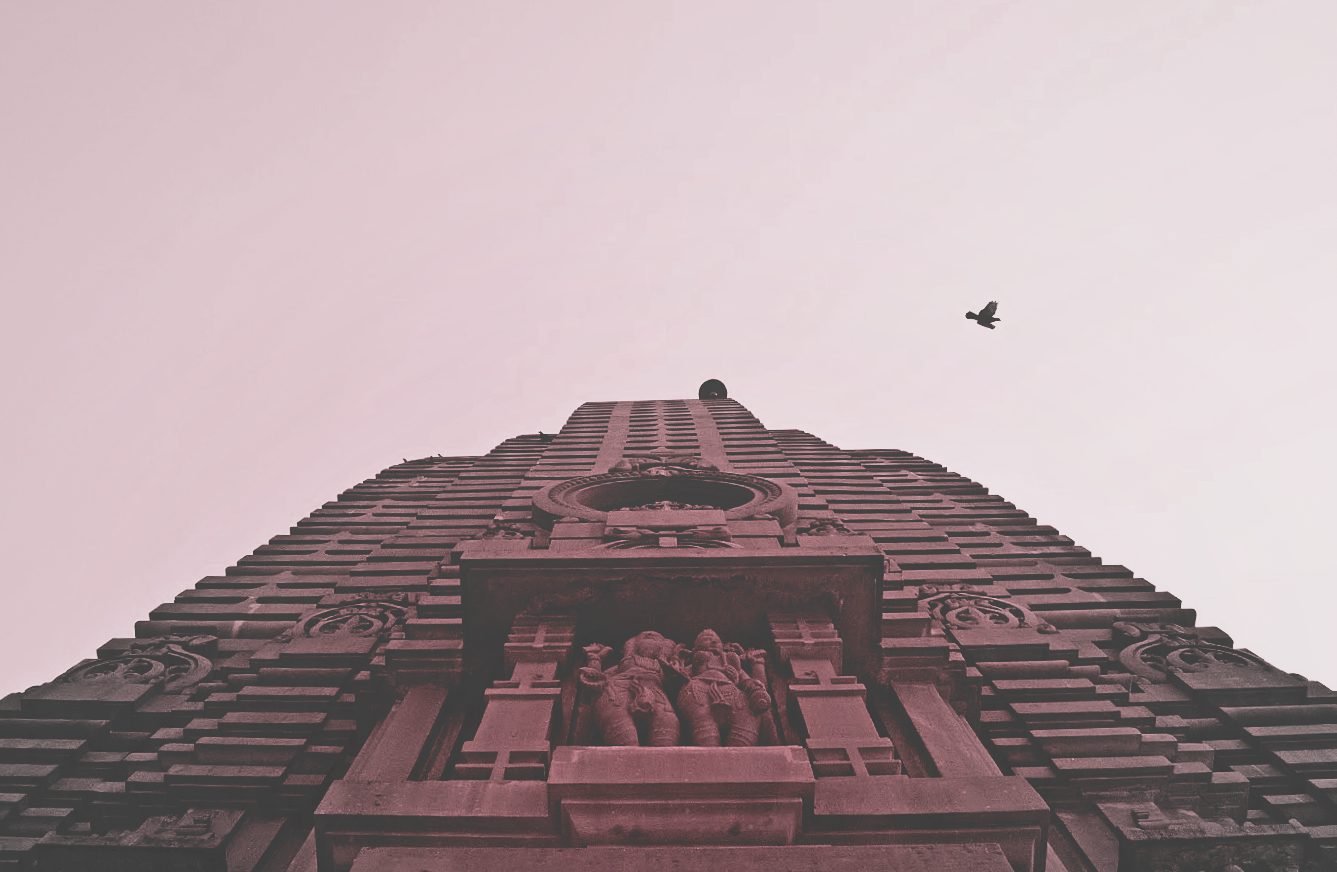
Sun Temple
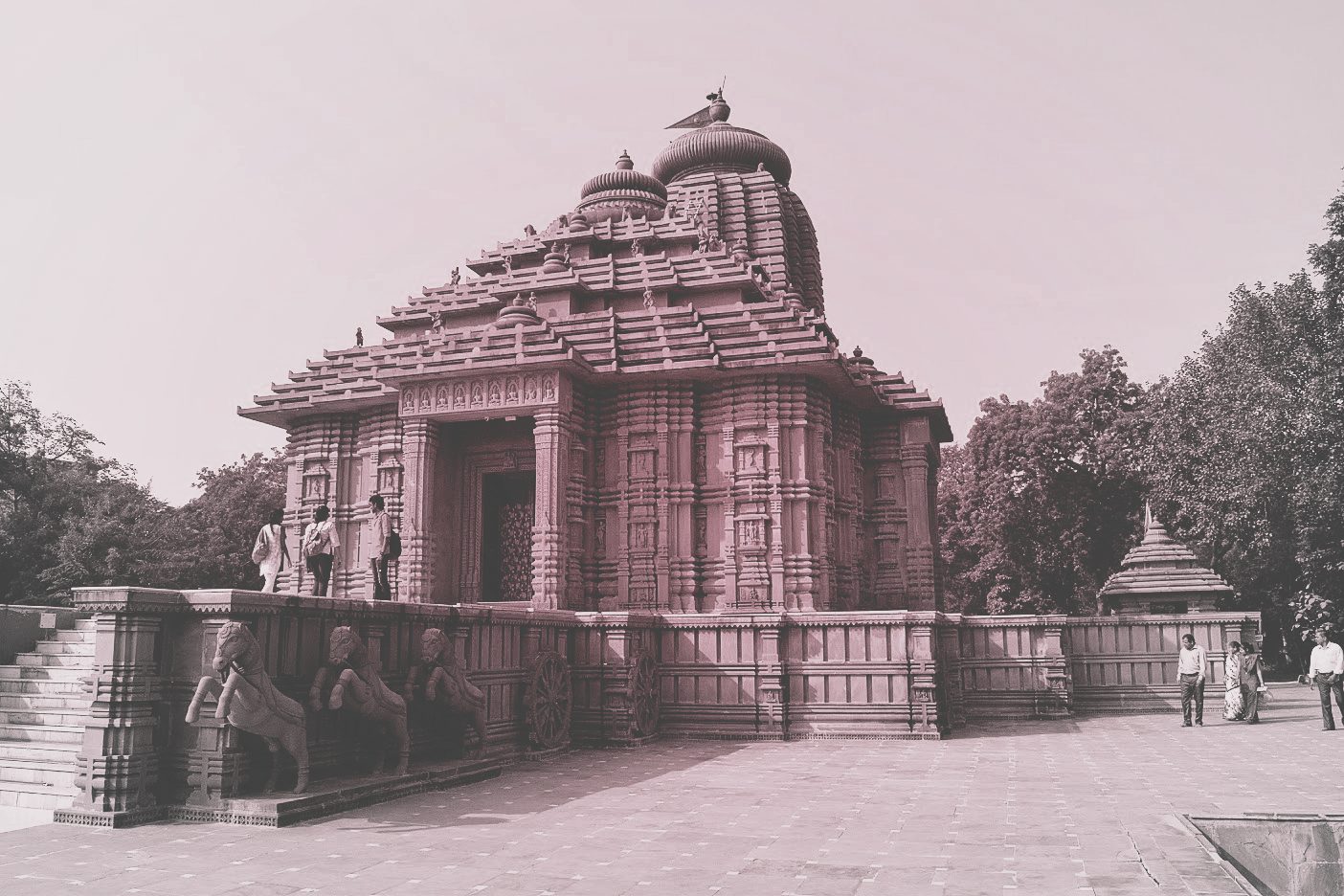
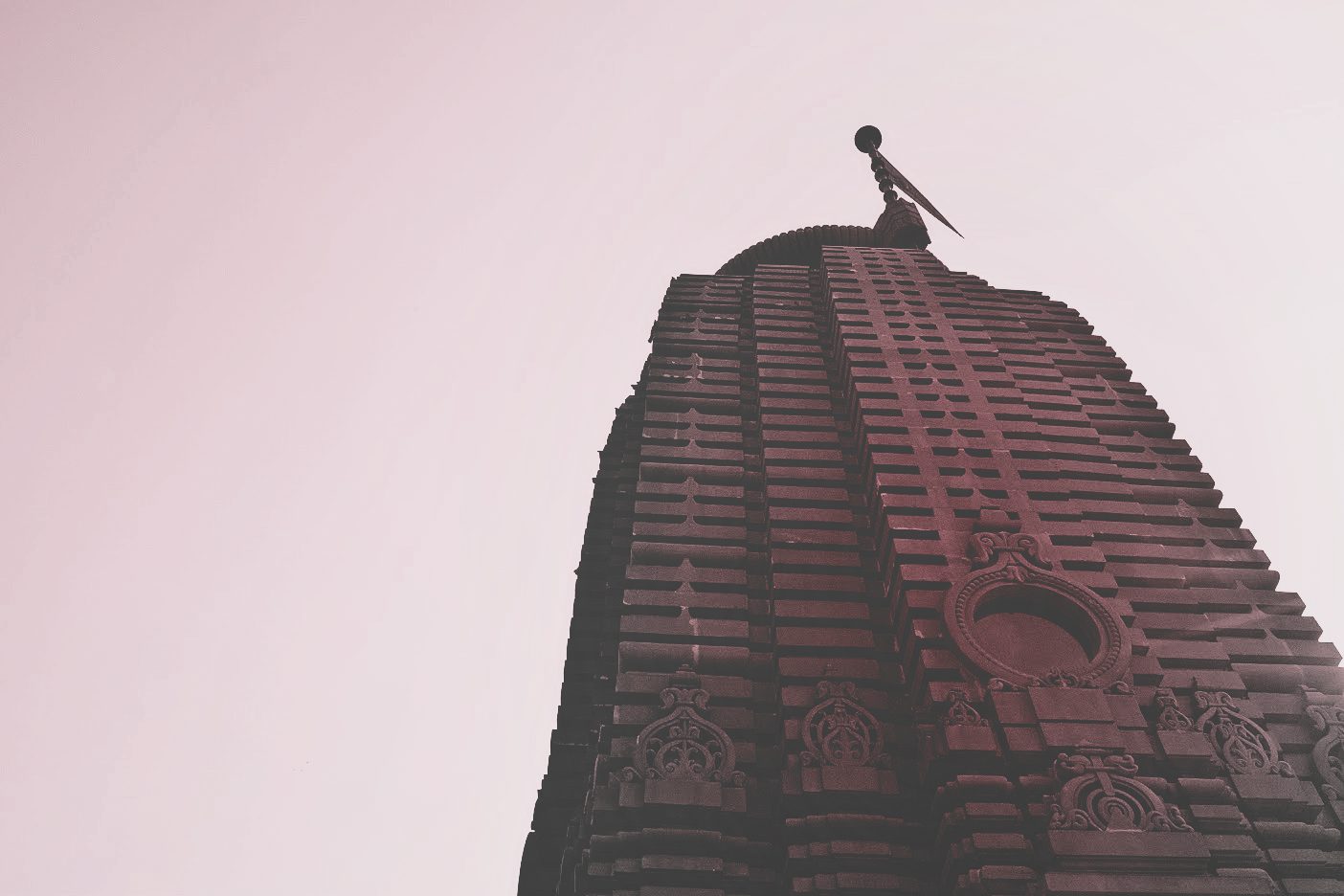
This Sun Temple at Gwalior is a Birla Mandir, and is ‘inspired’ from the original Sun Temple at Konark, as it would have appeared before the collapse of the main tower.
Jai Vilas Palace
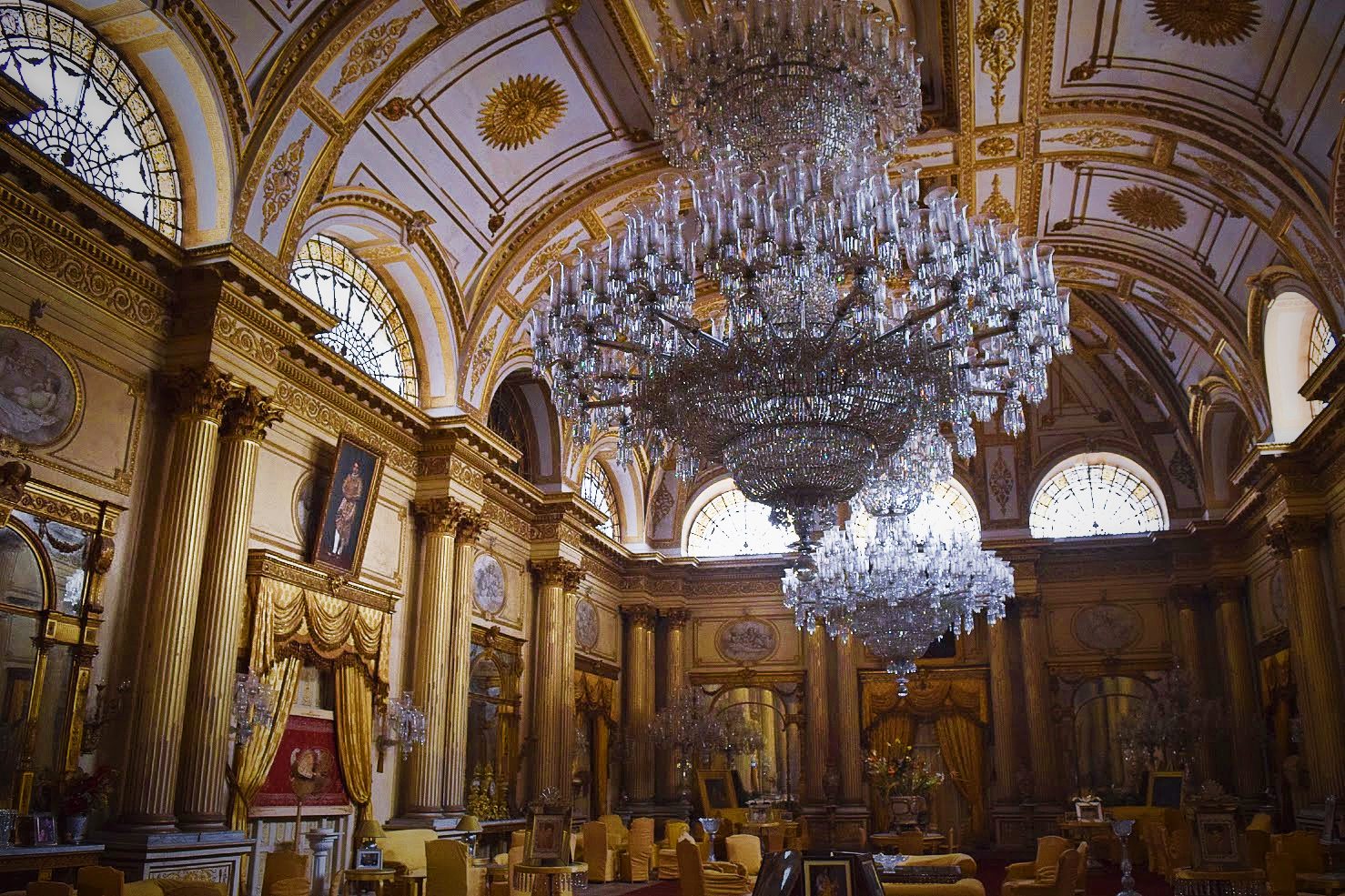
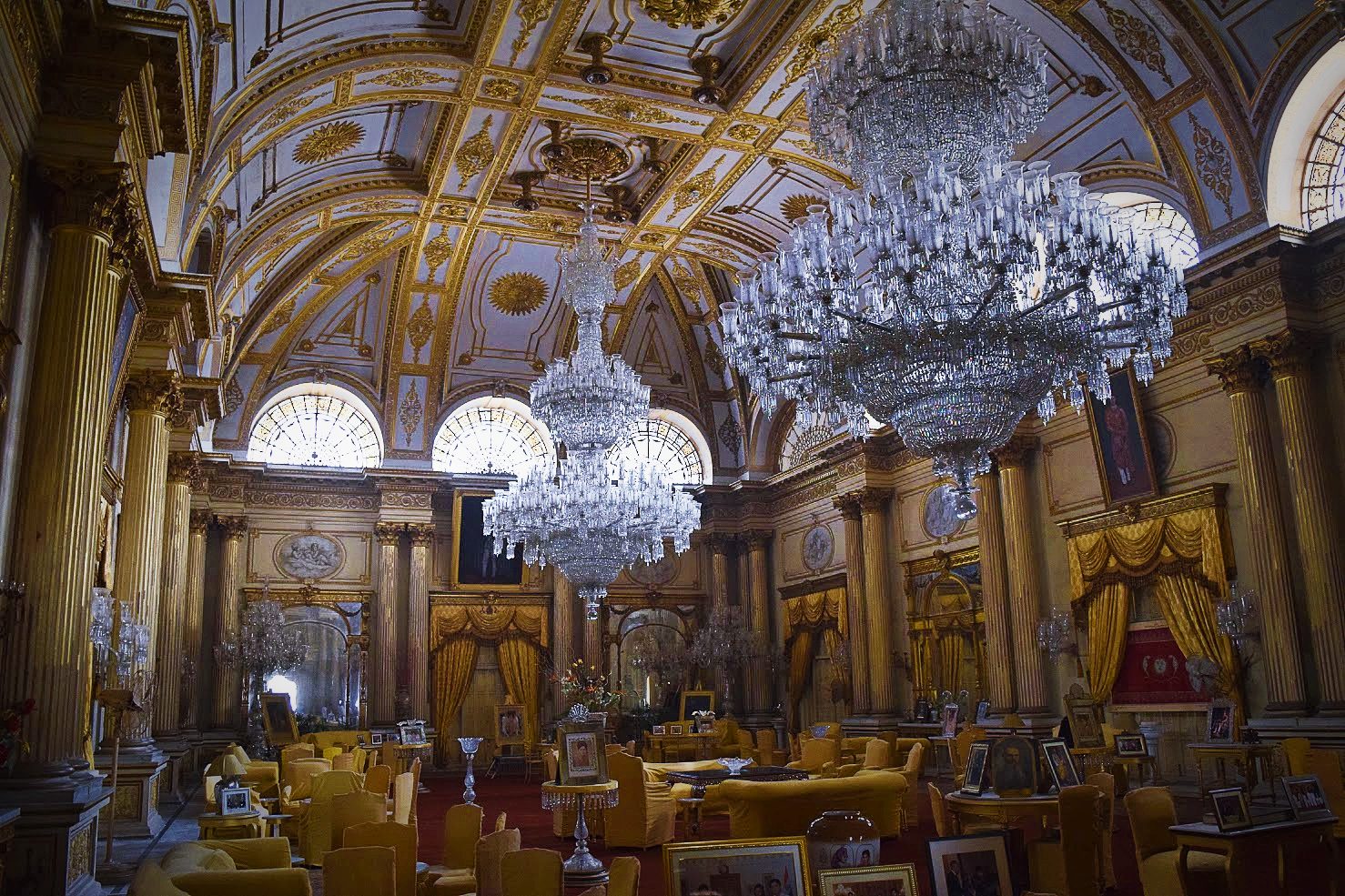
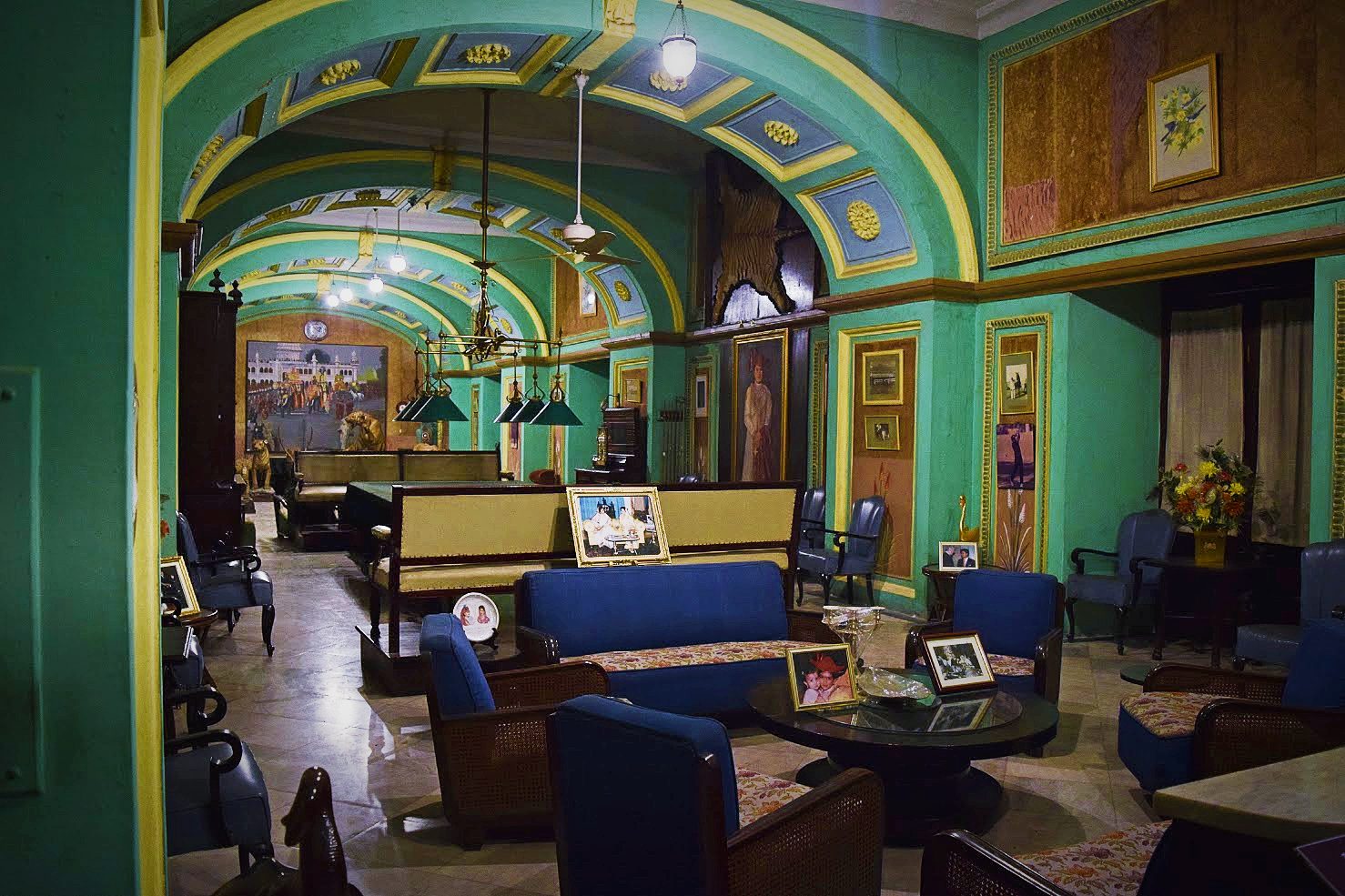
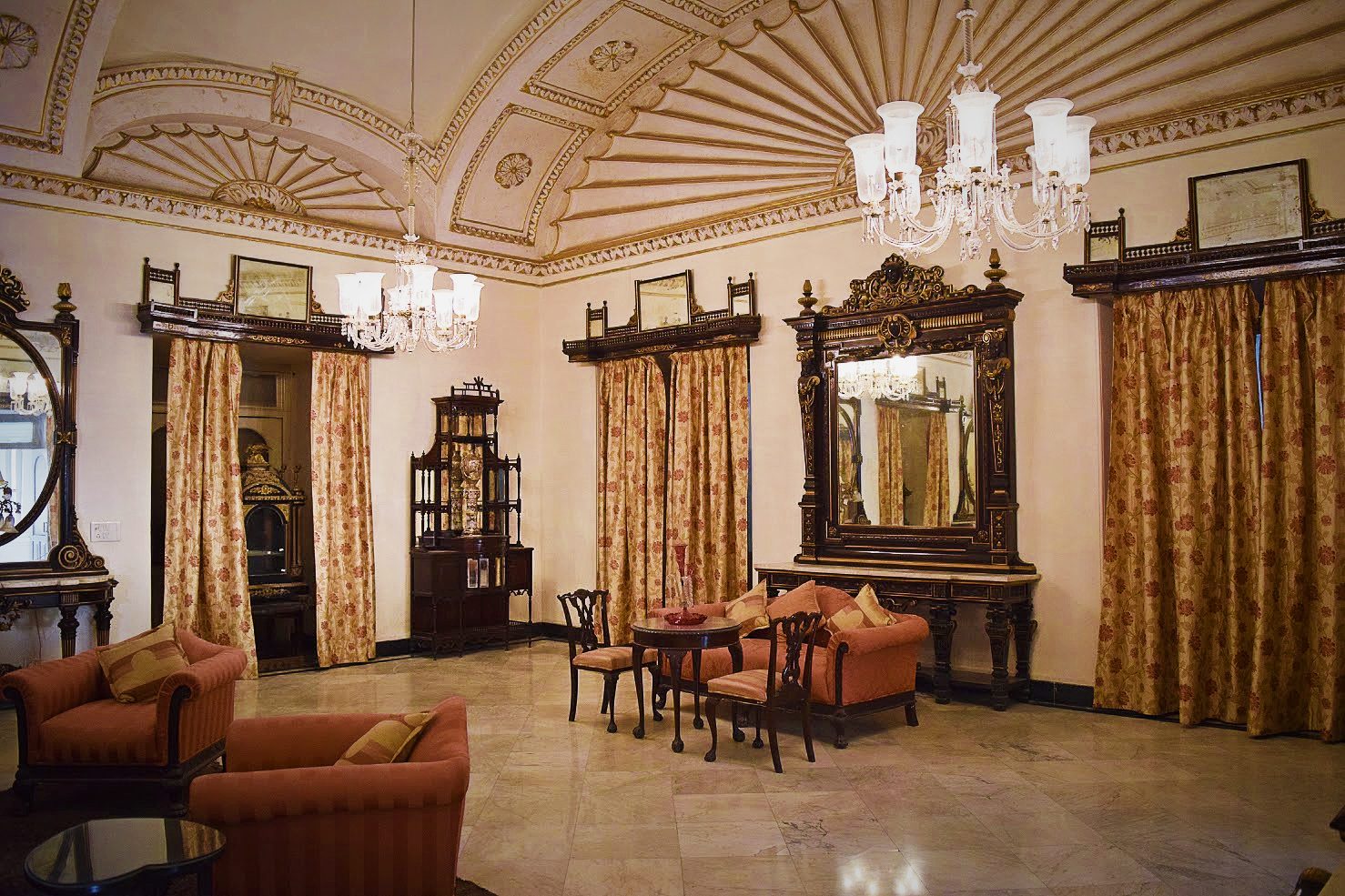
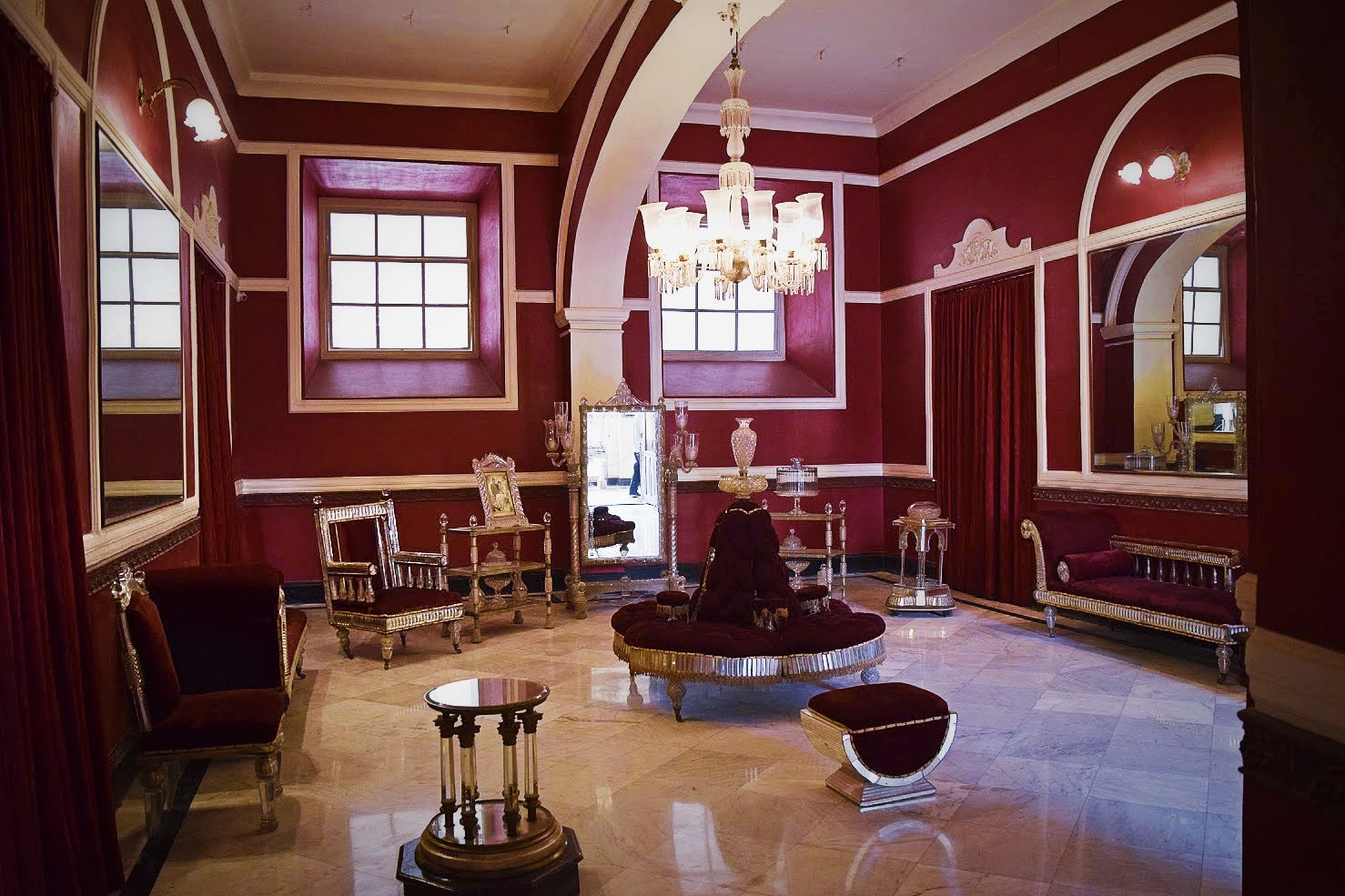
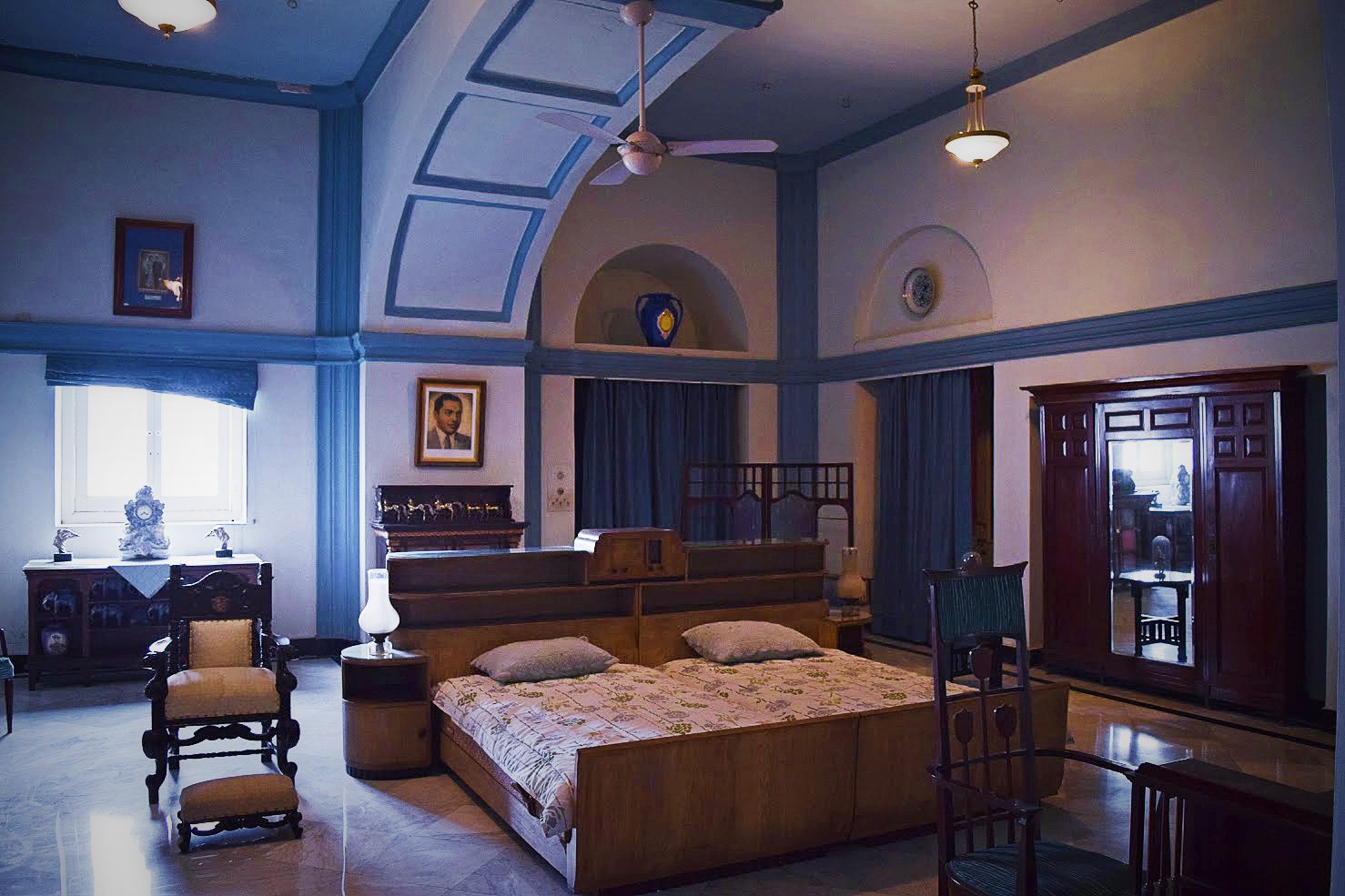
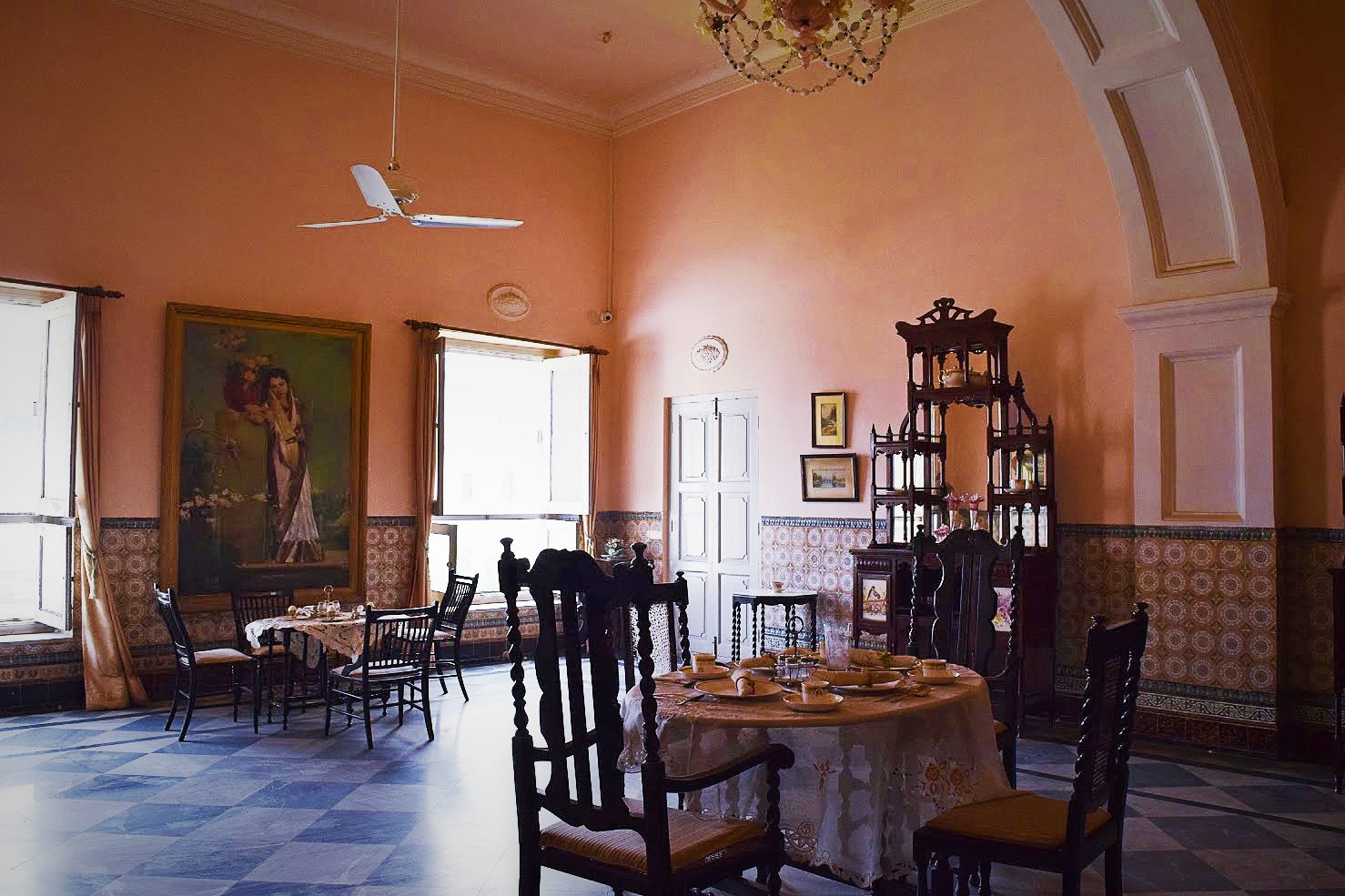
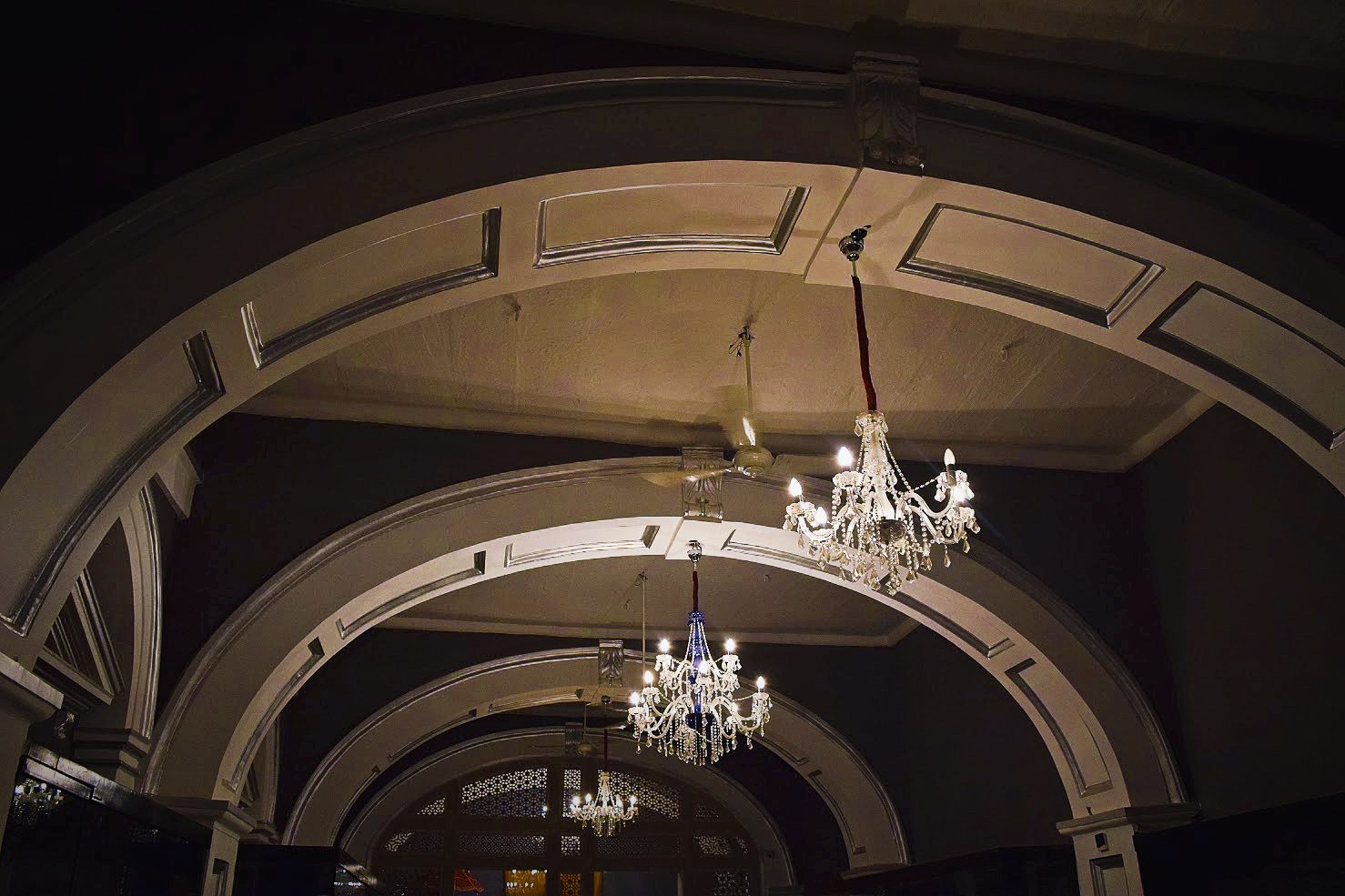
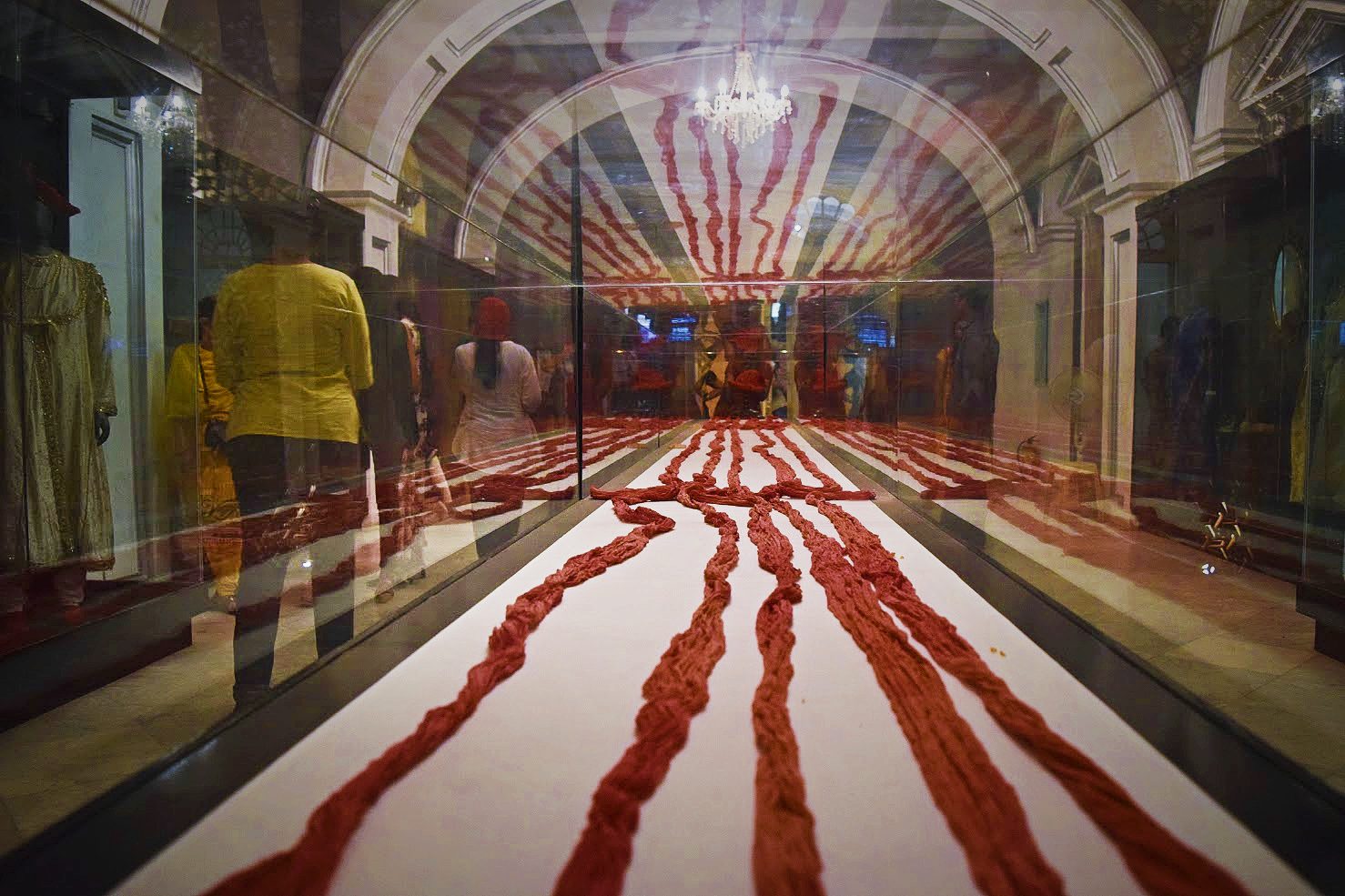
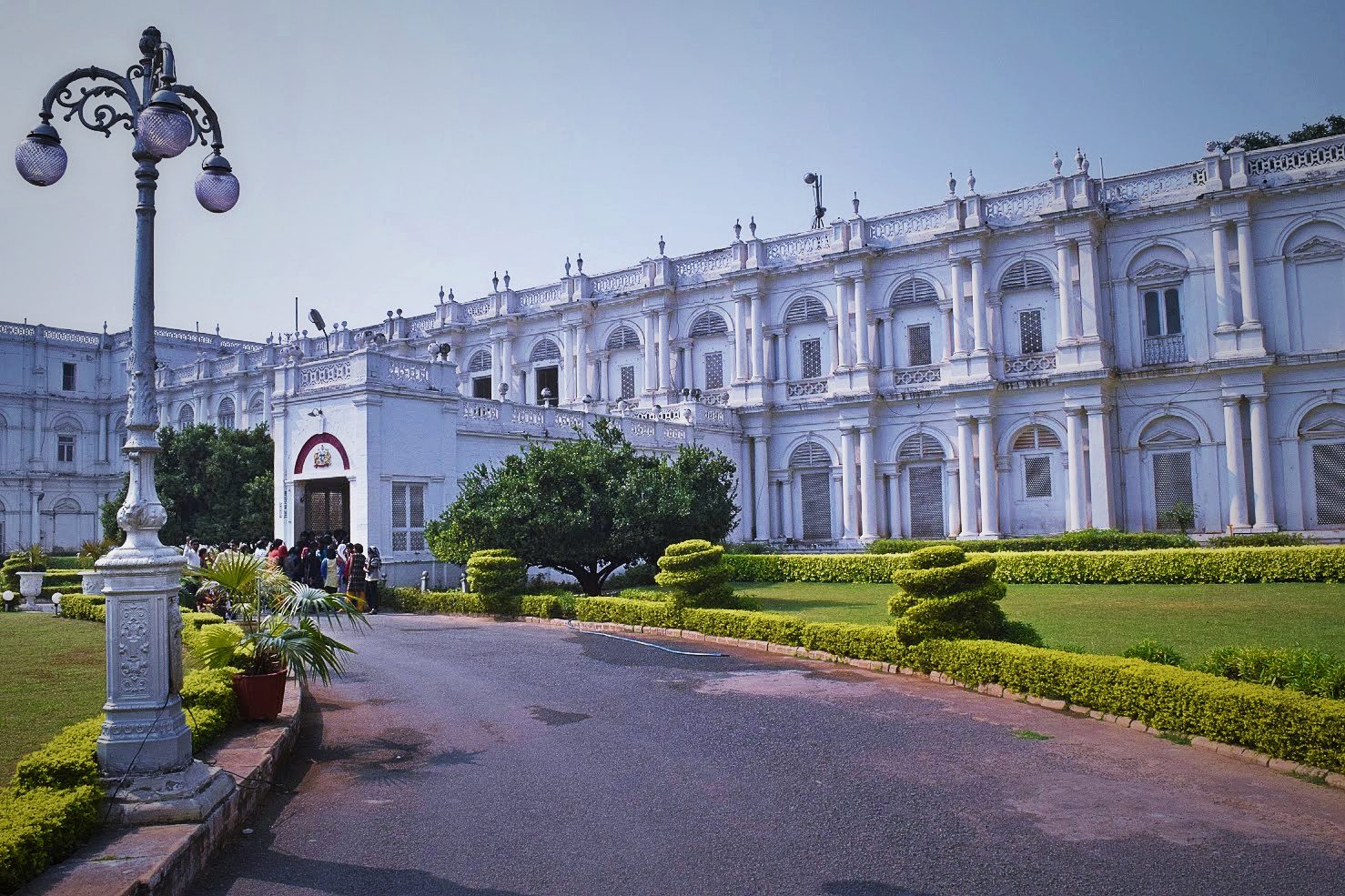
Jai Vilas Palace is a great example of European architecture in India. This palace is an epitome of opulence. It houses the largest chandelier in the world as well. Many rooms in the palace are preserved to reflect their true grandeur, takes you back in time.
Gwalior Fort
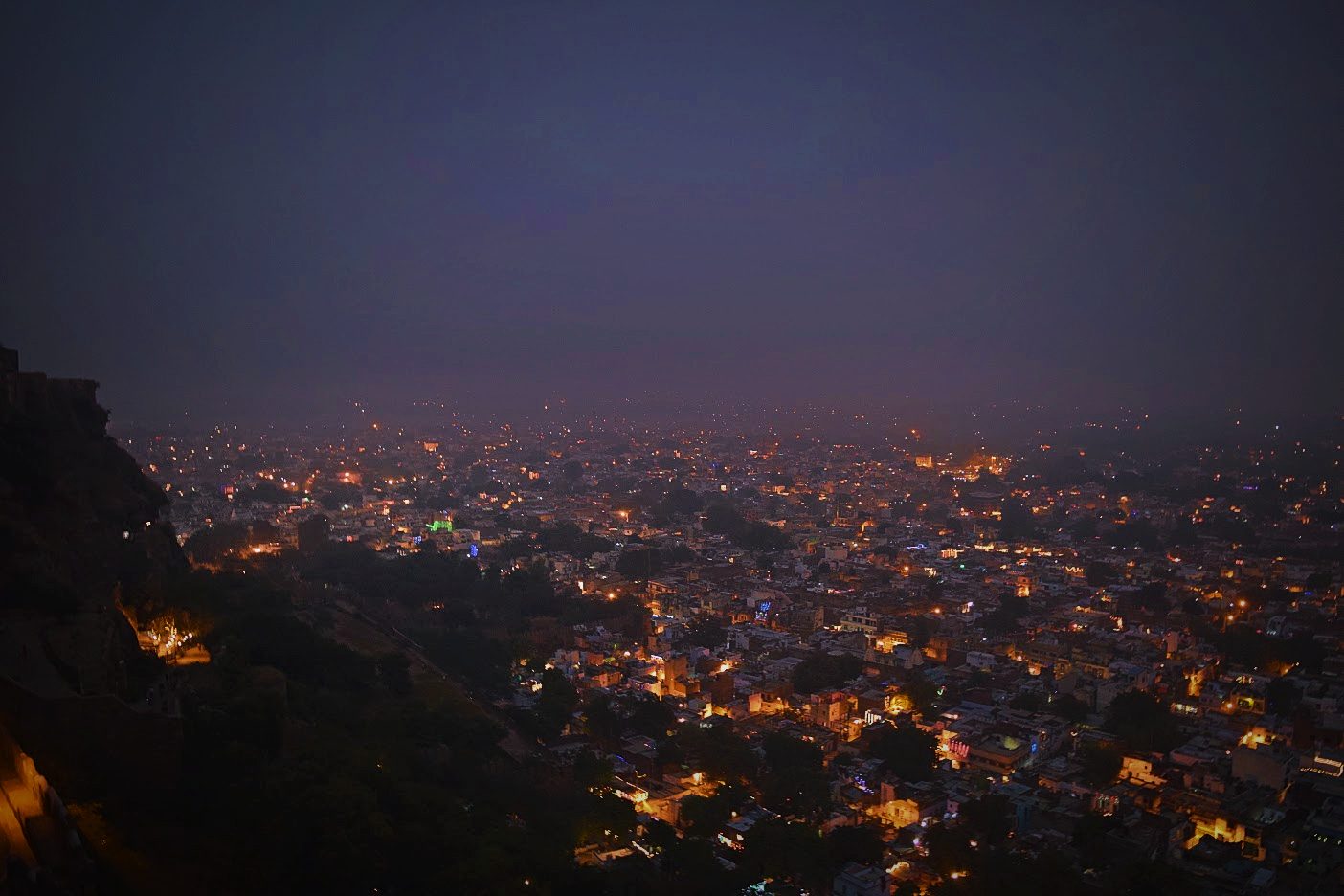
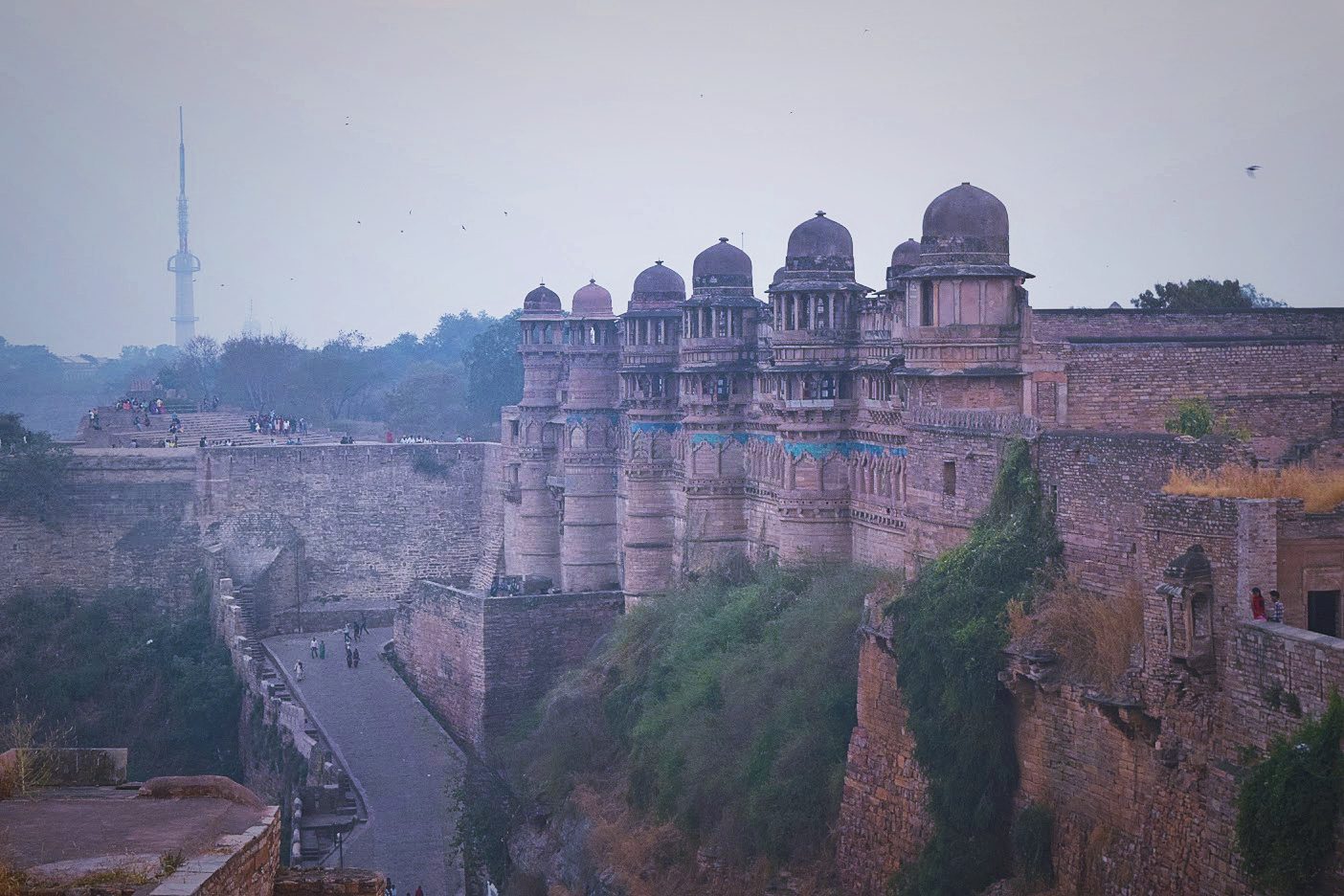
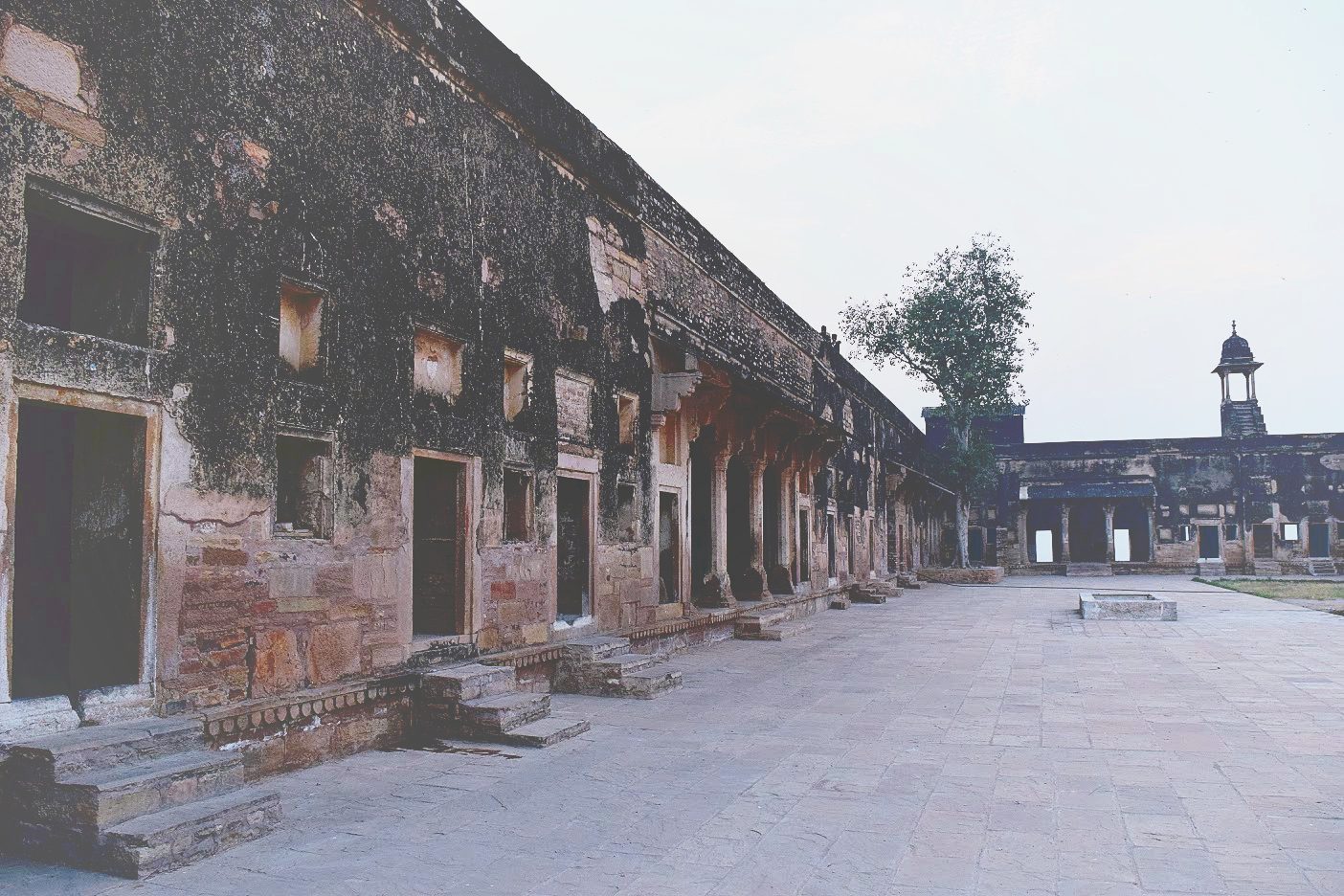
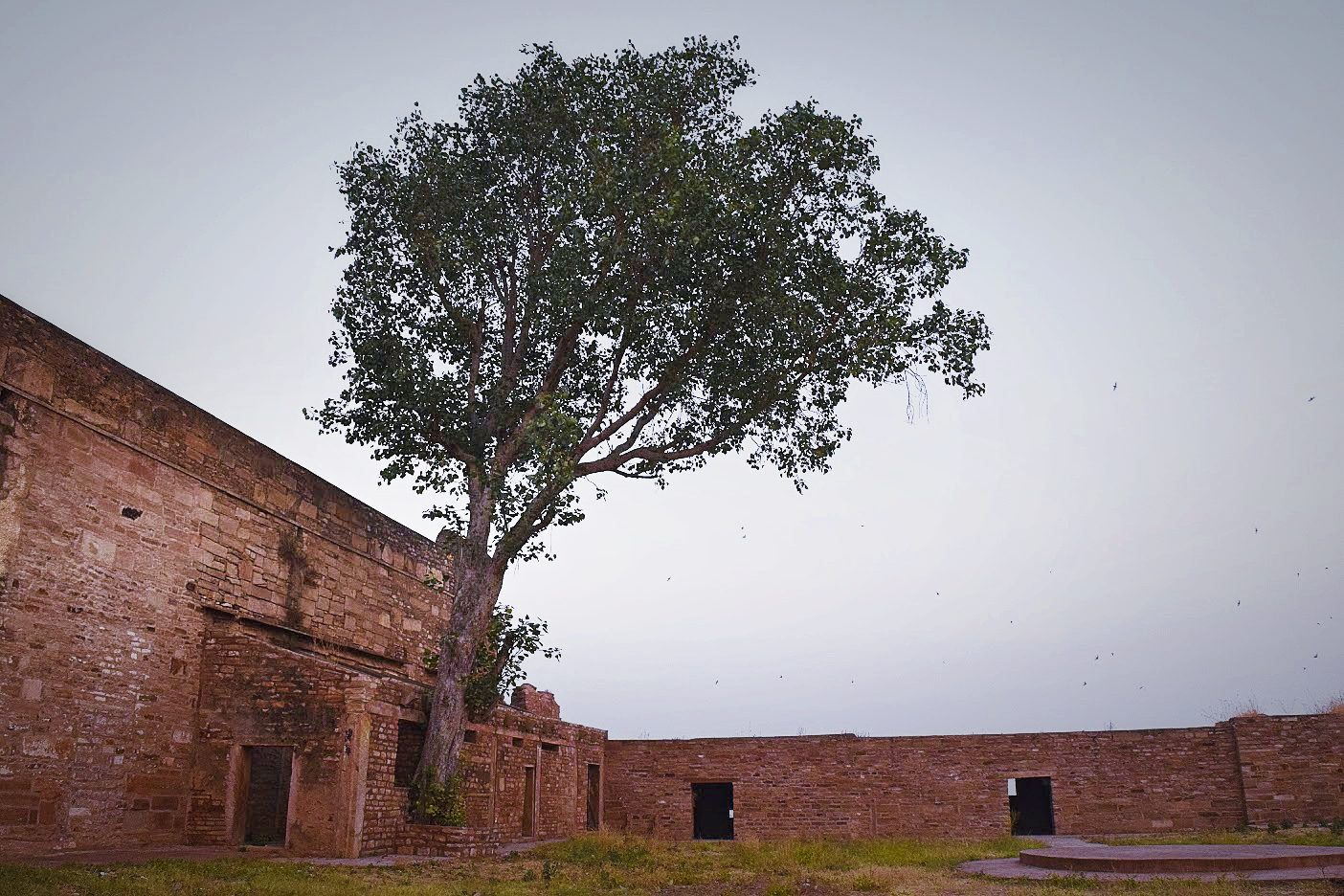
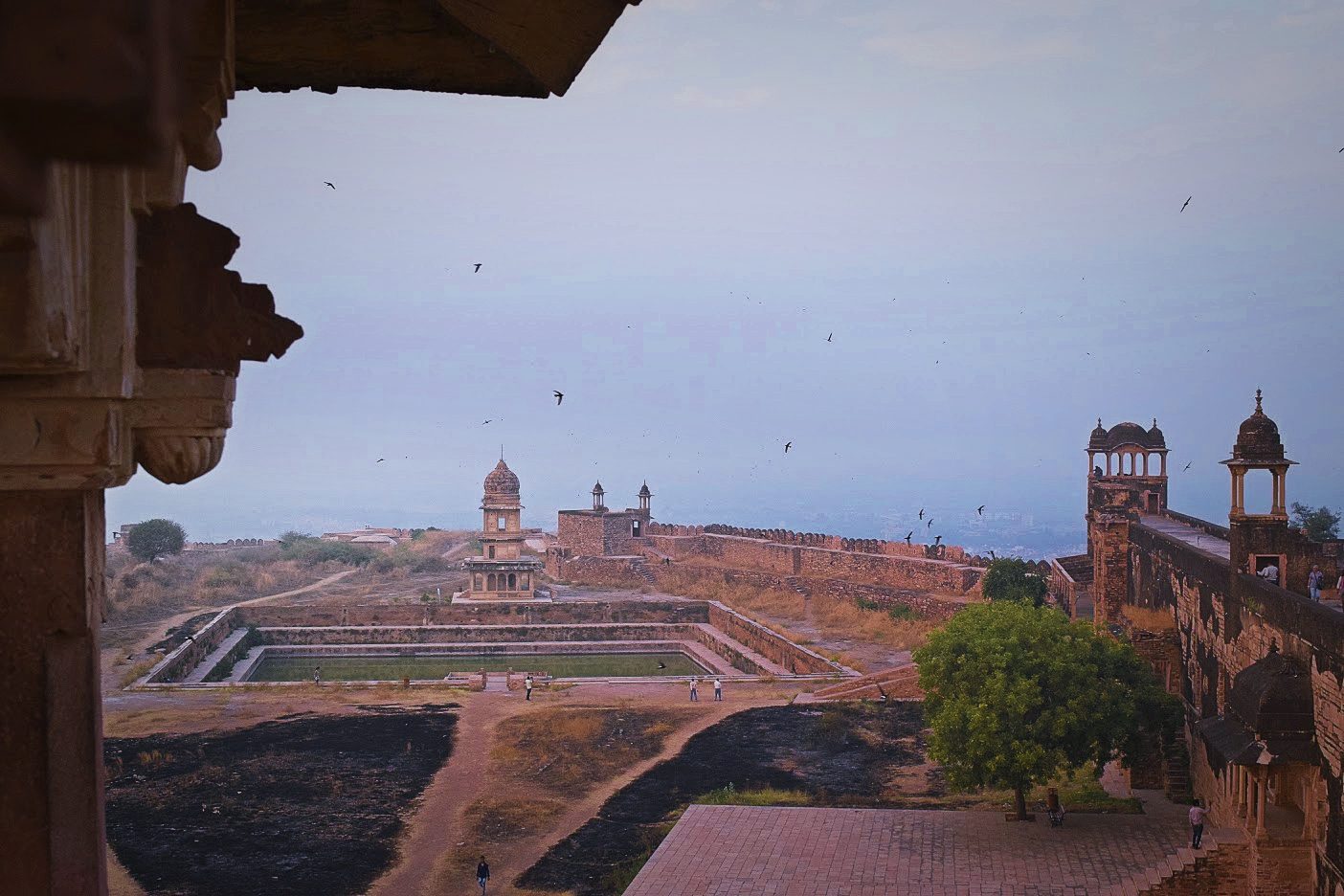
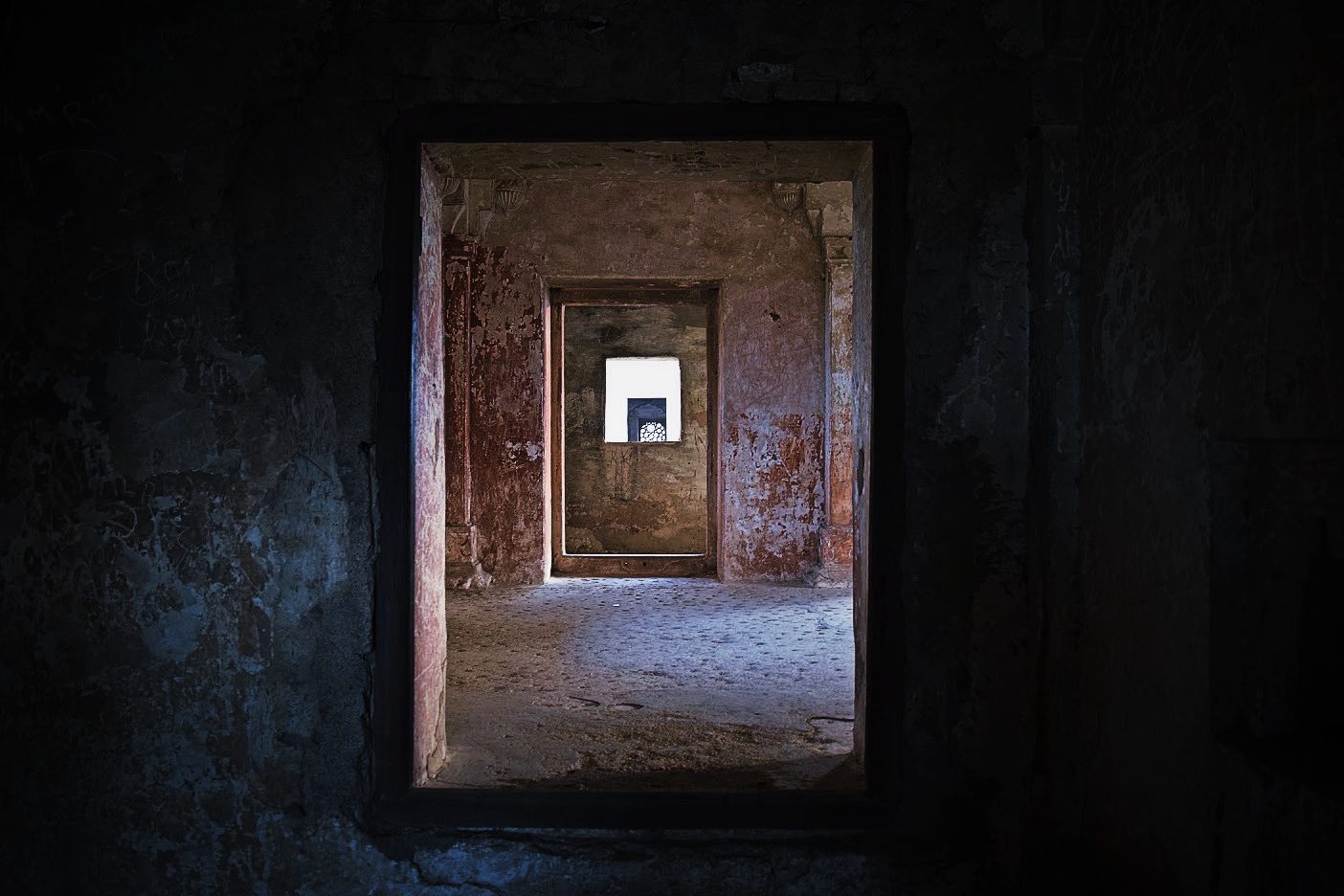
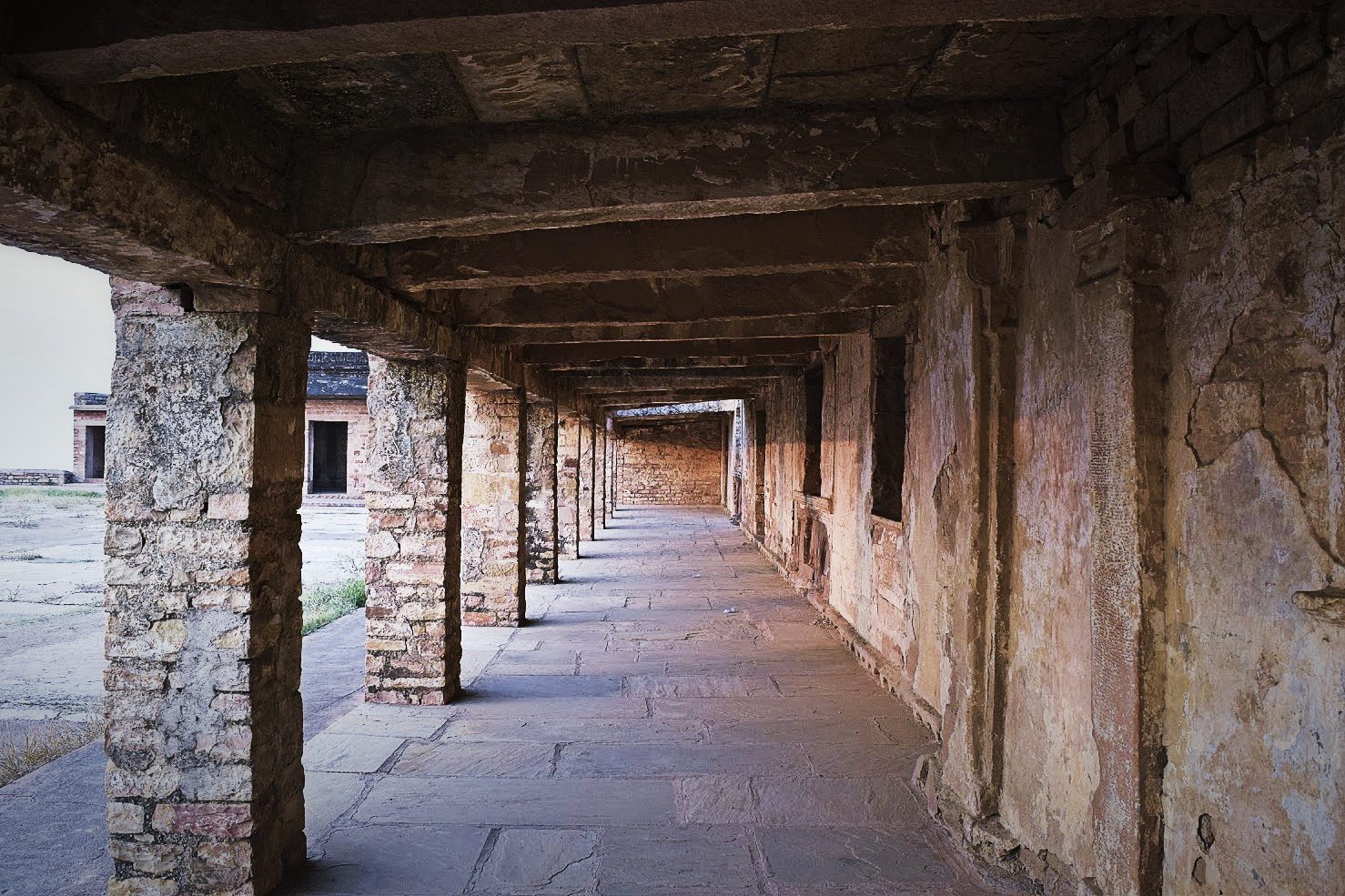
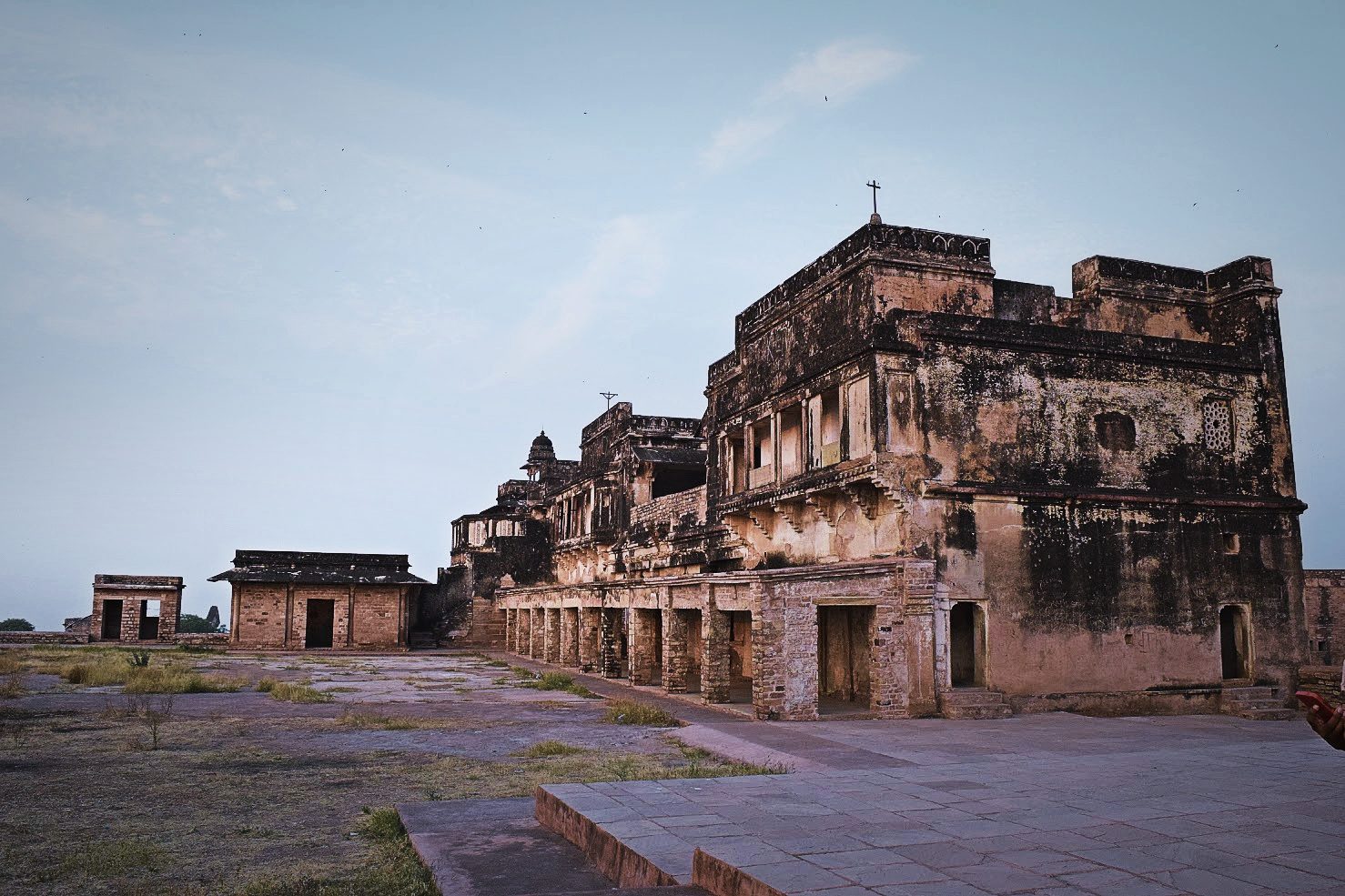
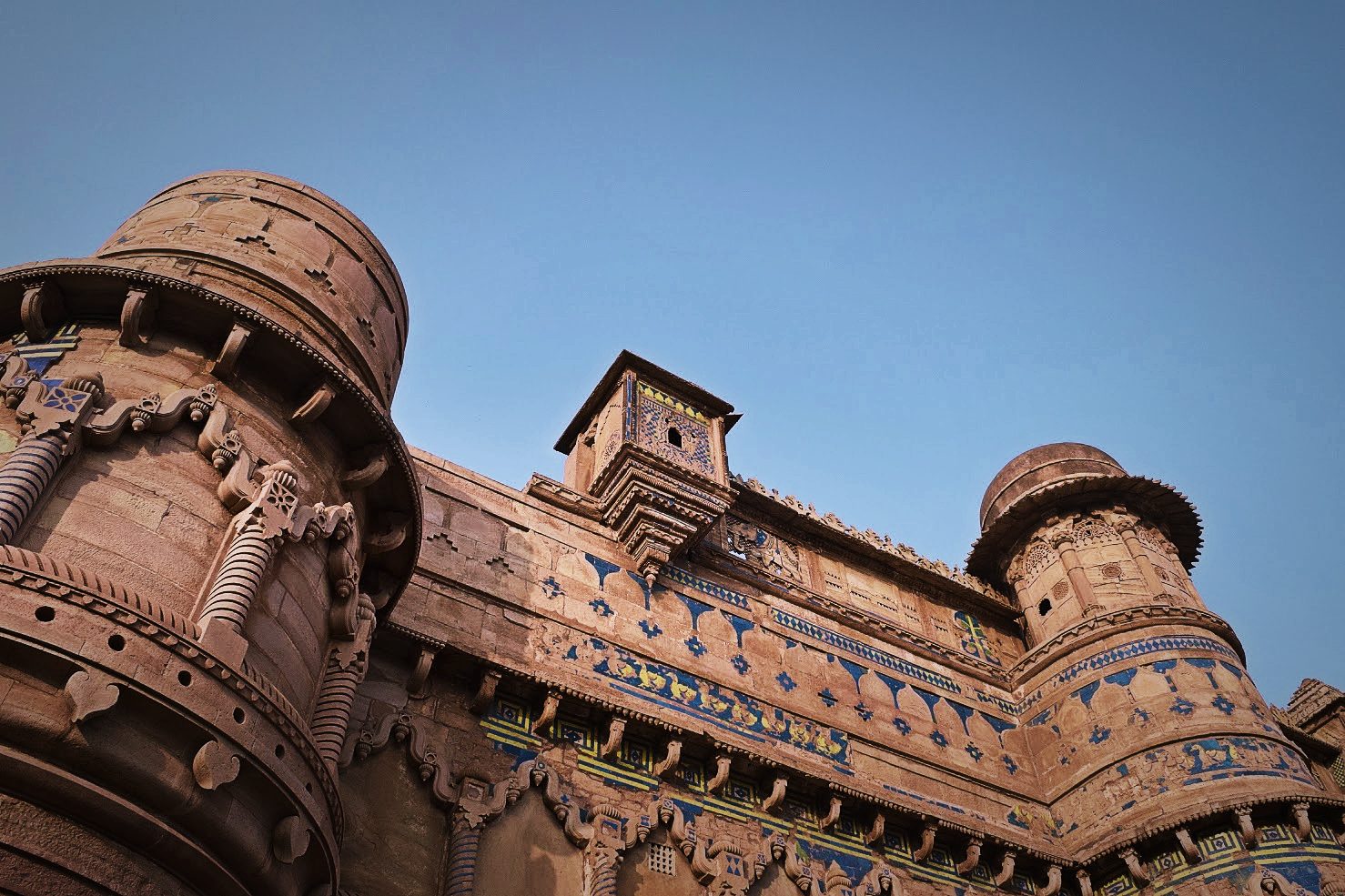
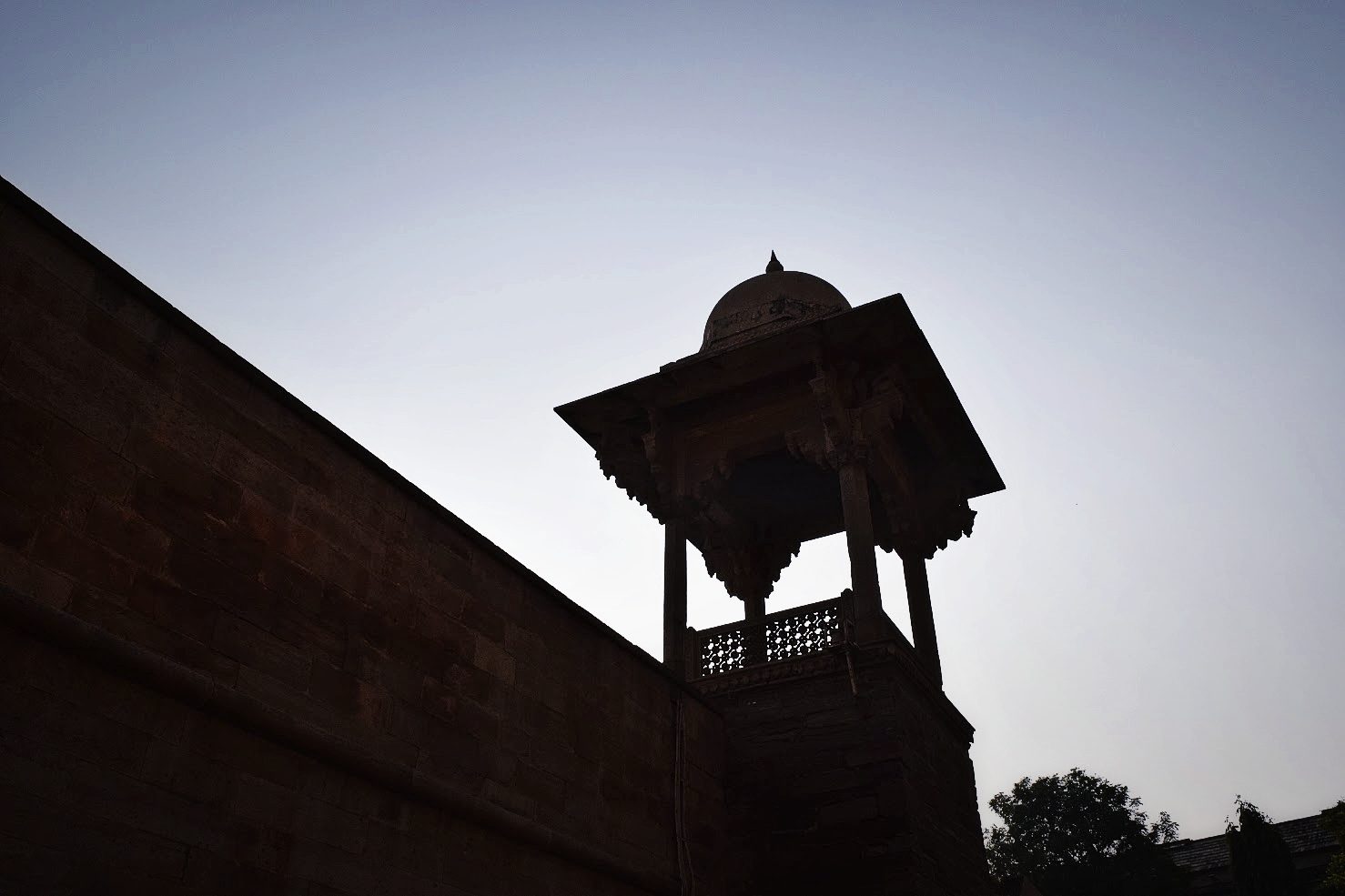
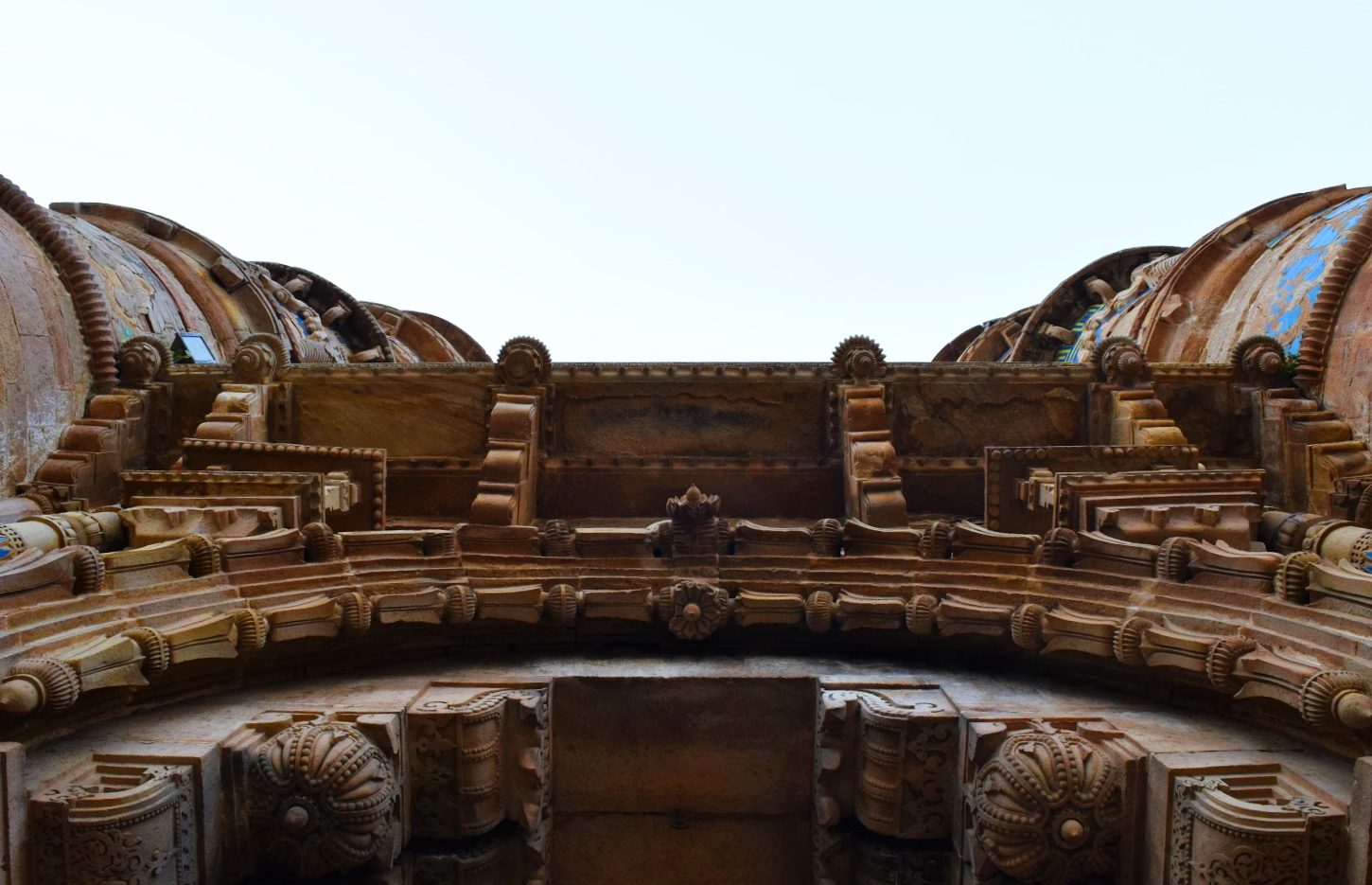
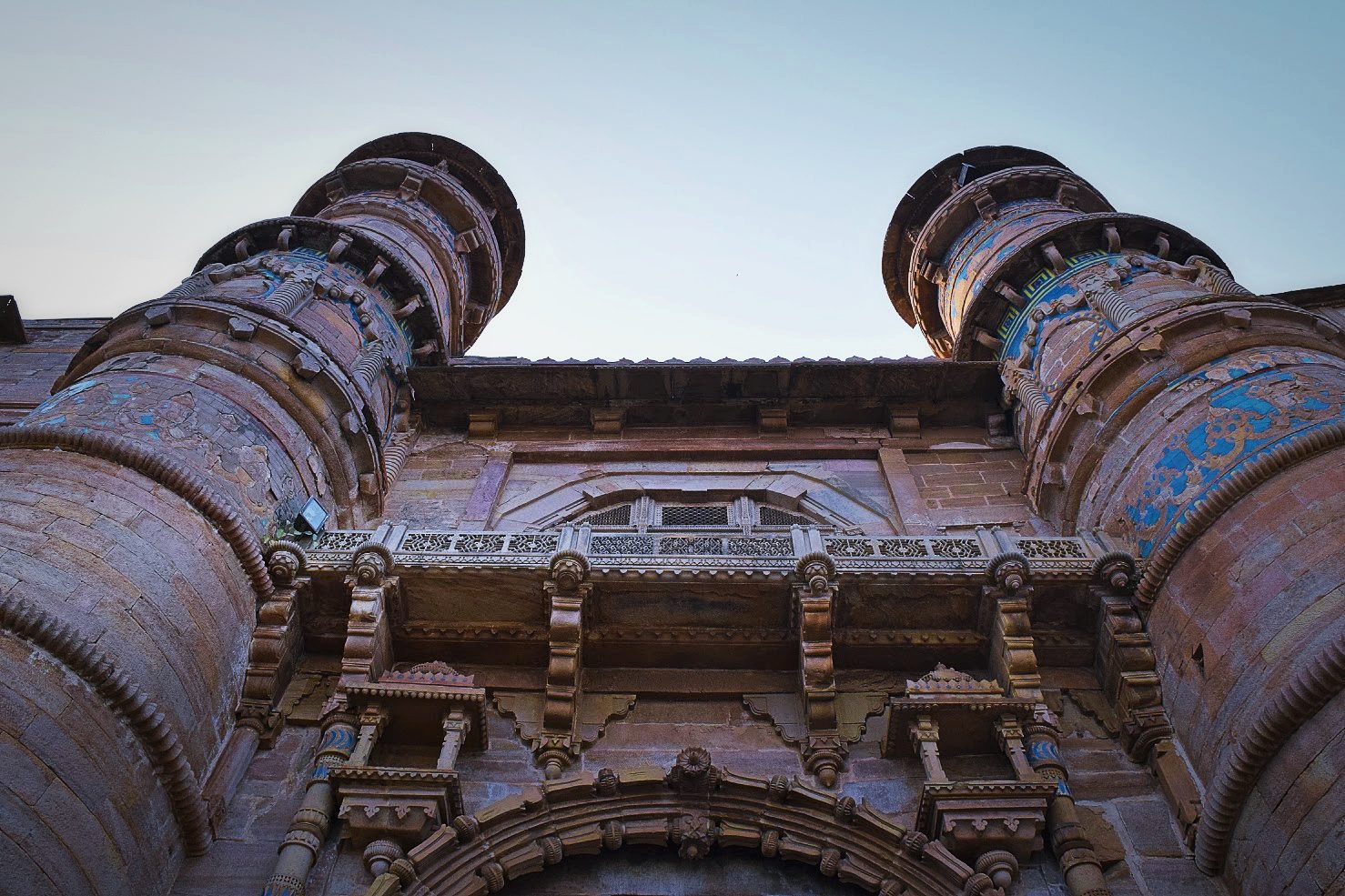
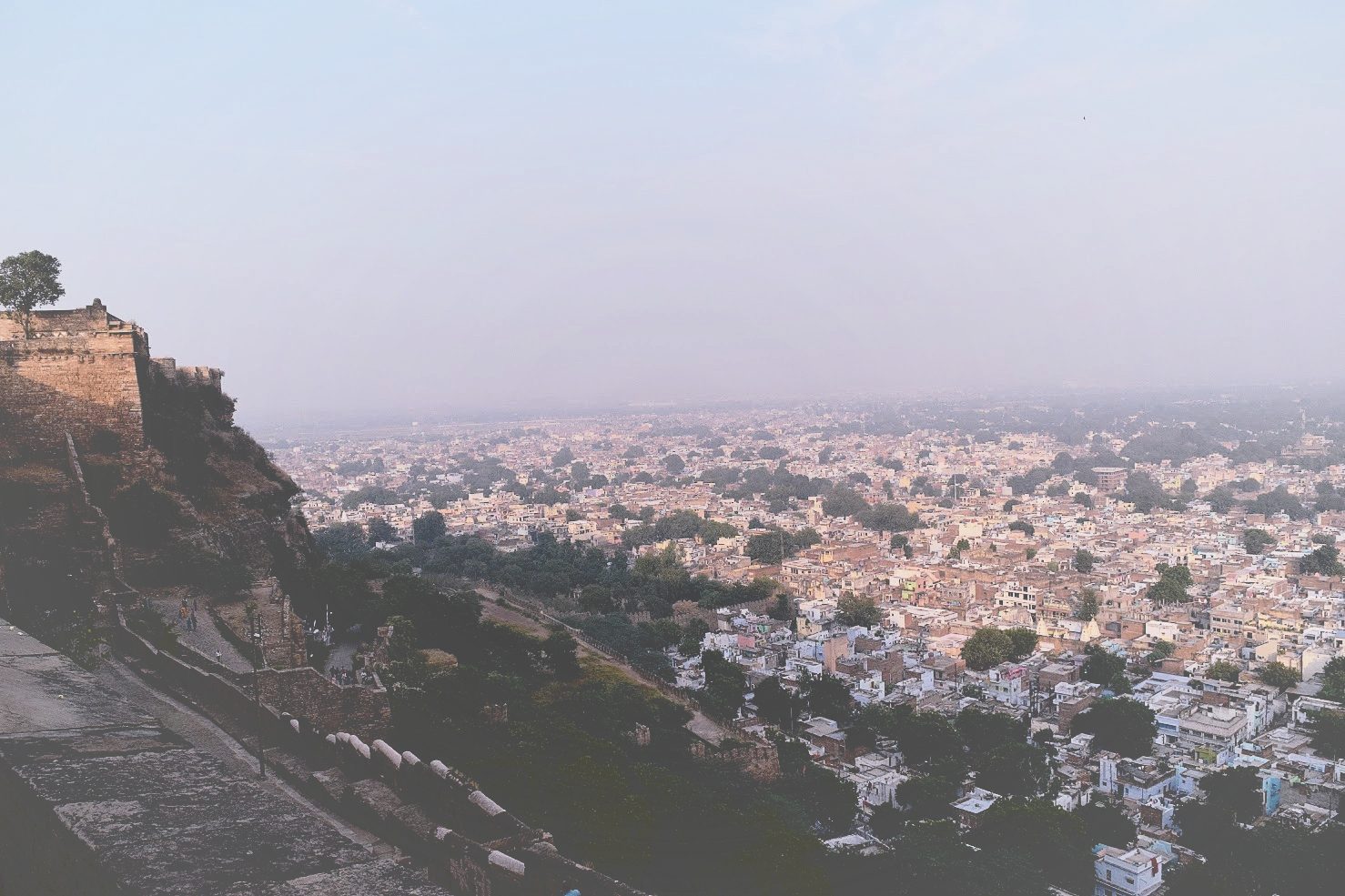
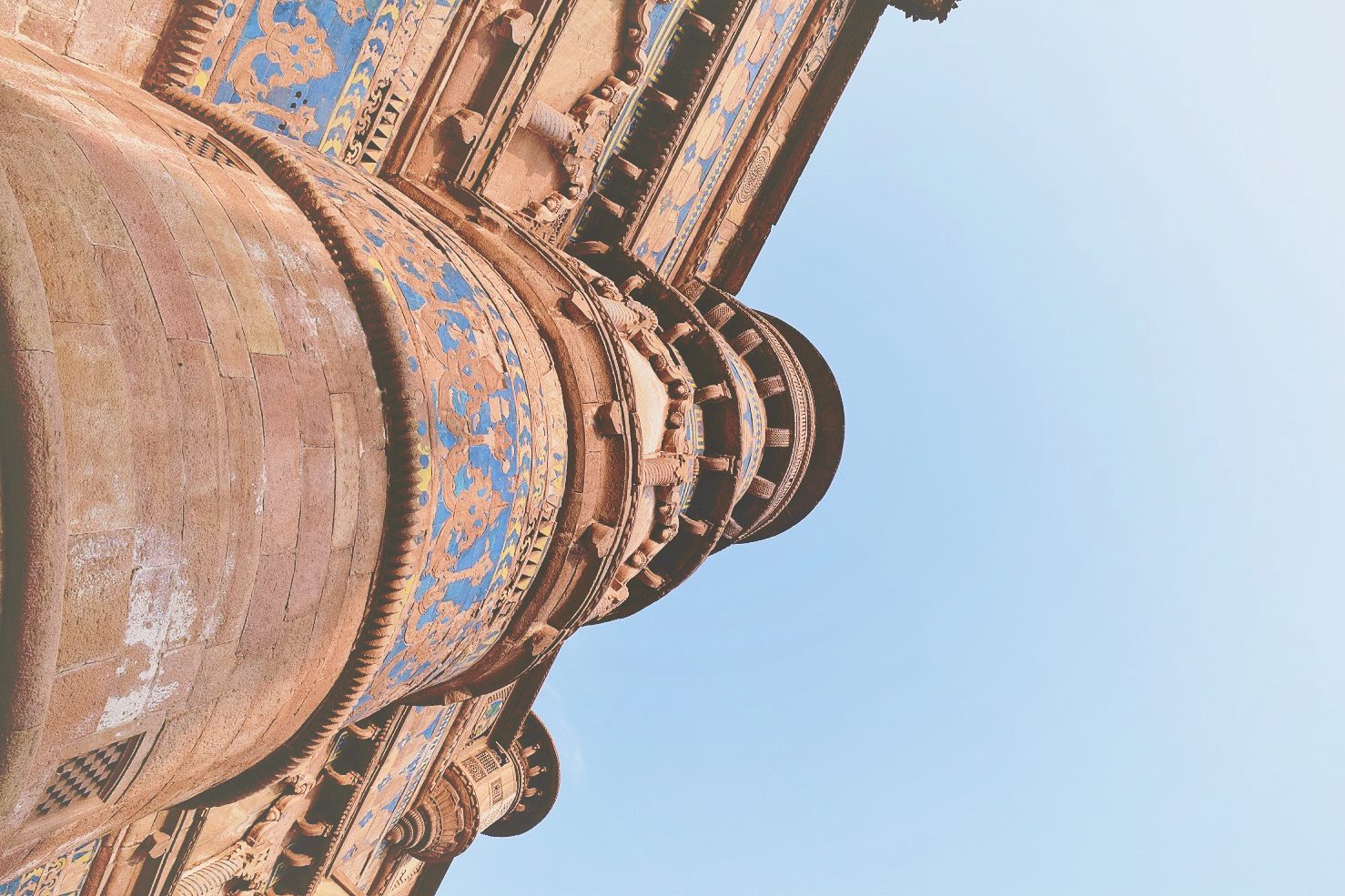
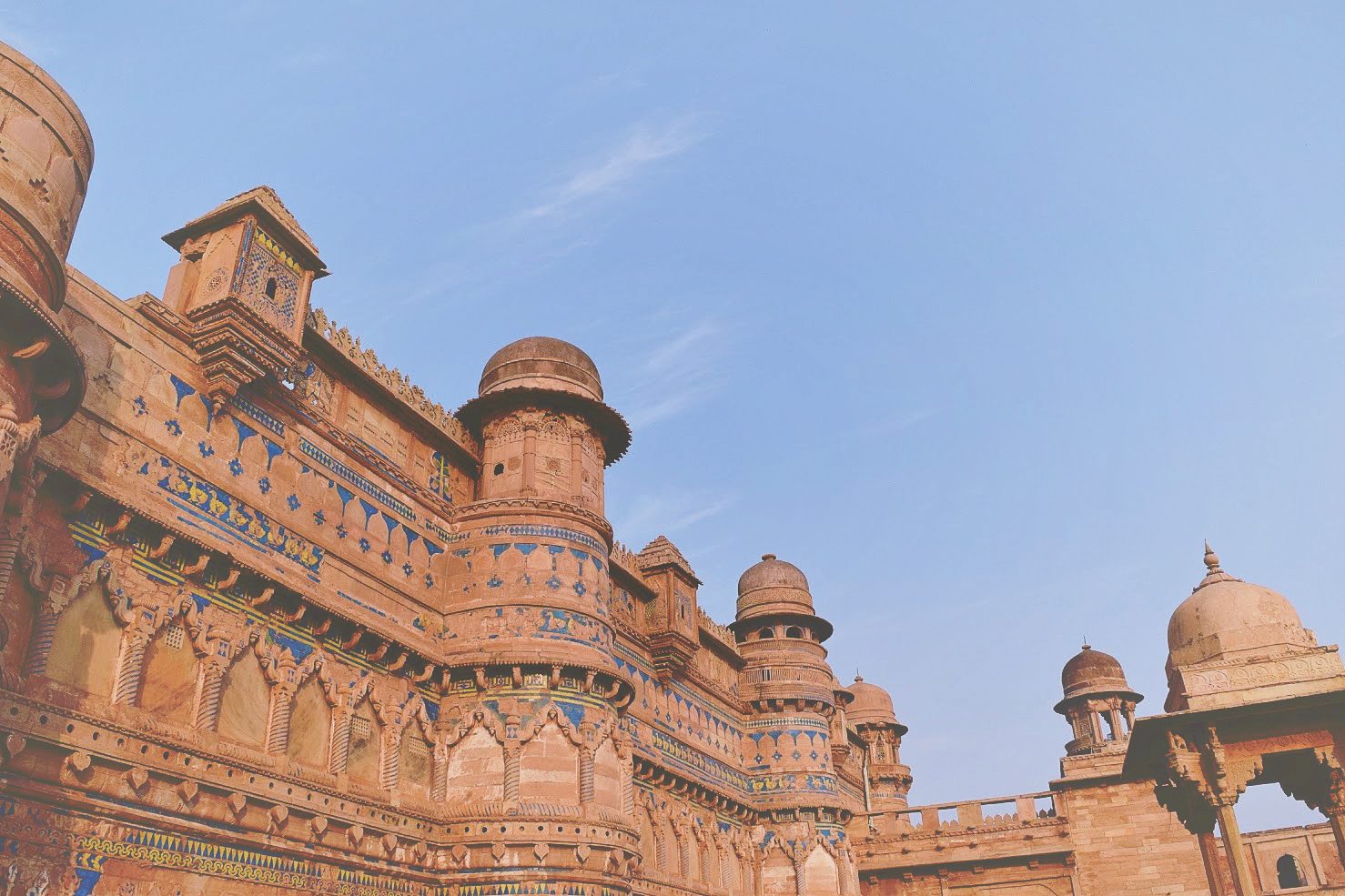
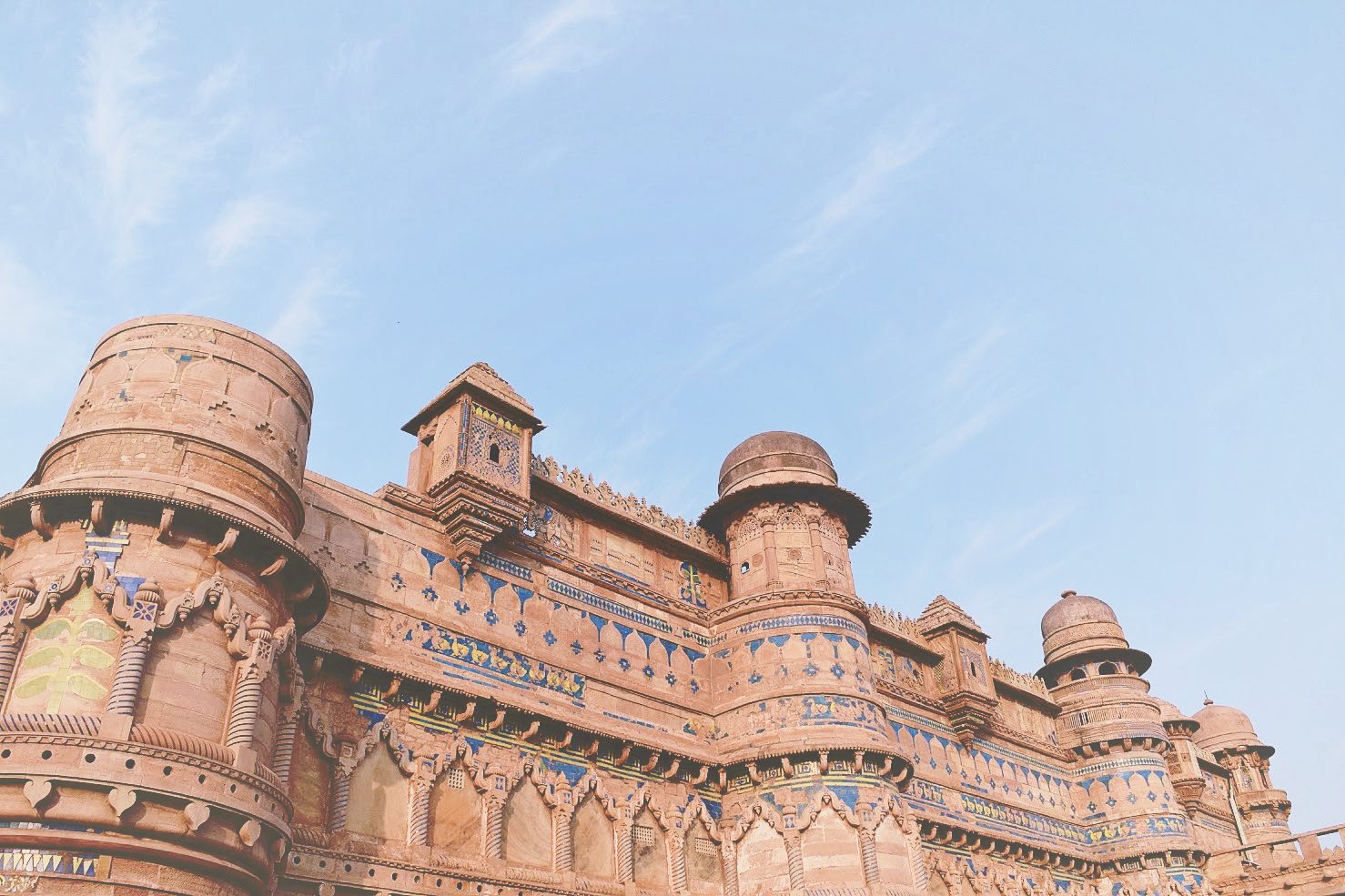
Gwalior Fort is a Hill Fort, built using sandstone. It has various buildings inside the defensive structure in various degrees of preservation. A walk around the fort takes you back in time to the lifestyle of people then. The temples inside are still part of mainstream culture.
Datia
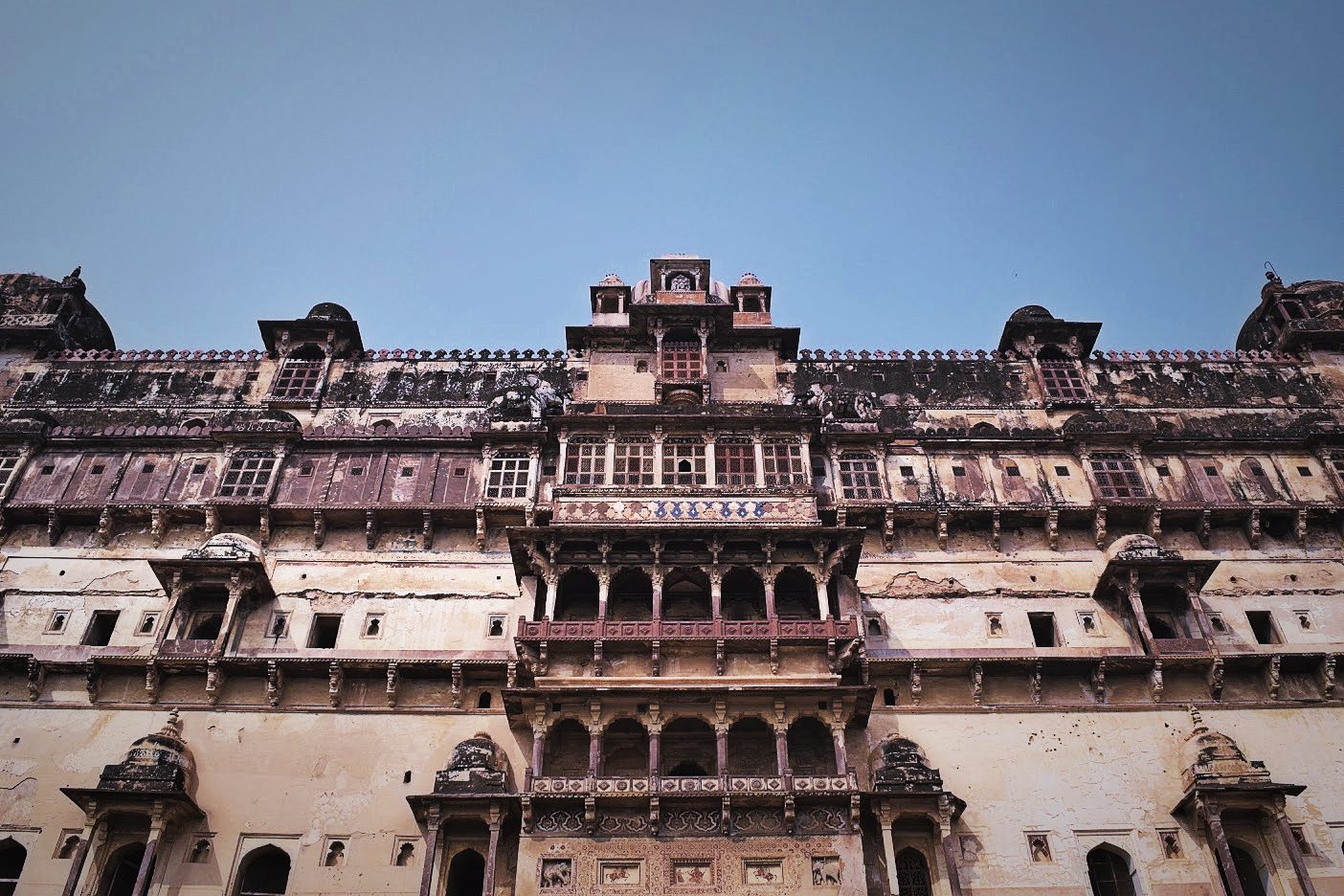
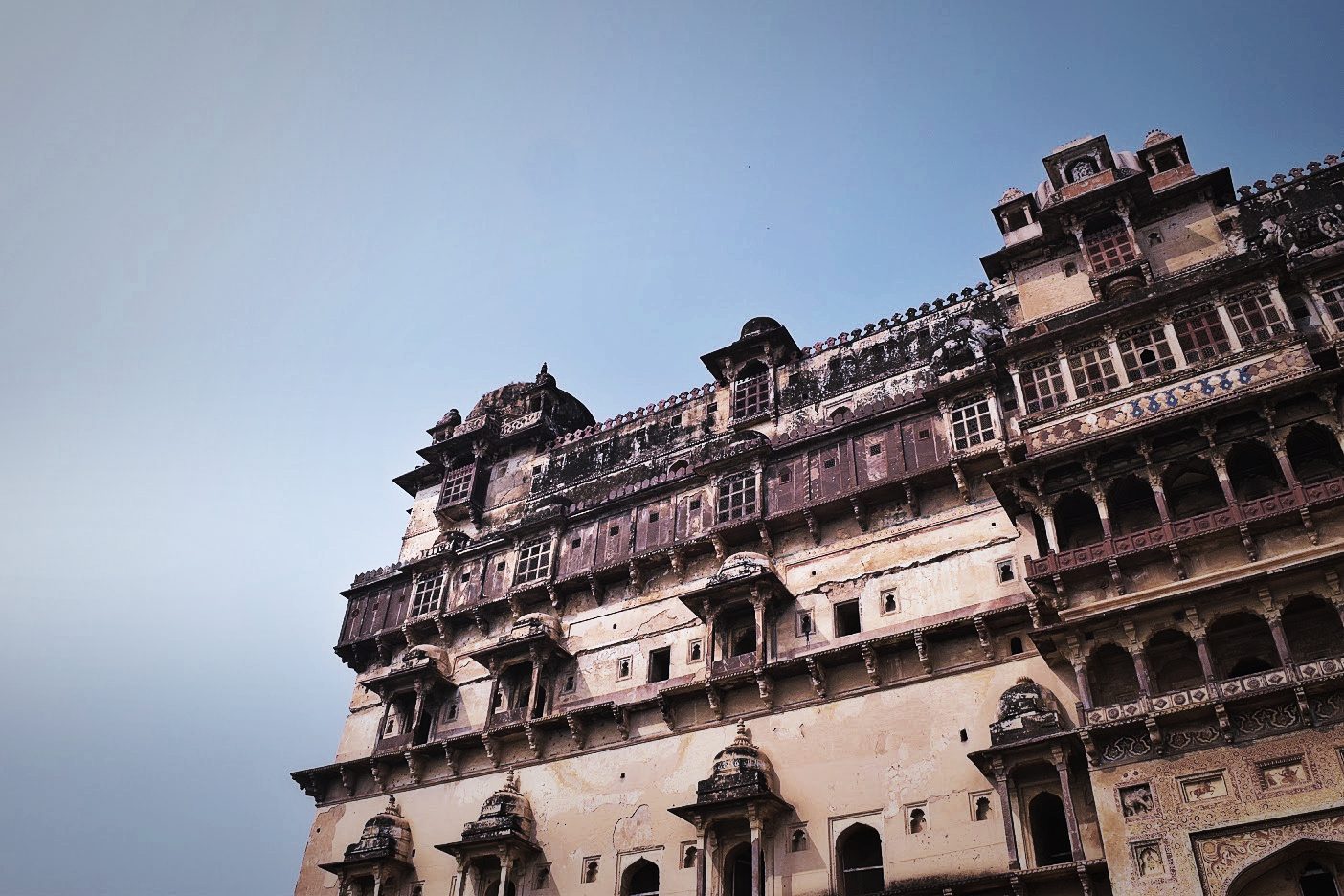
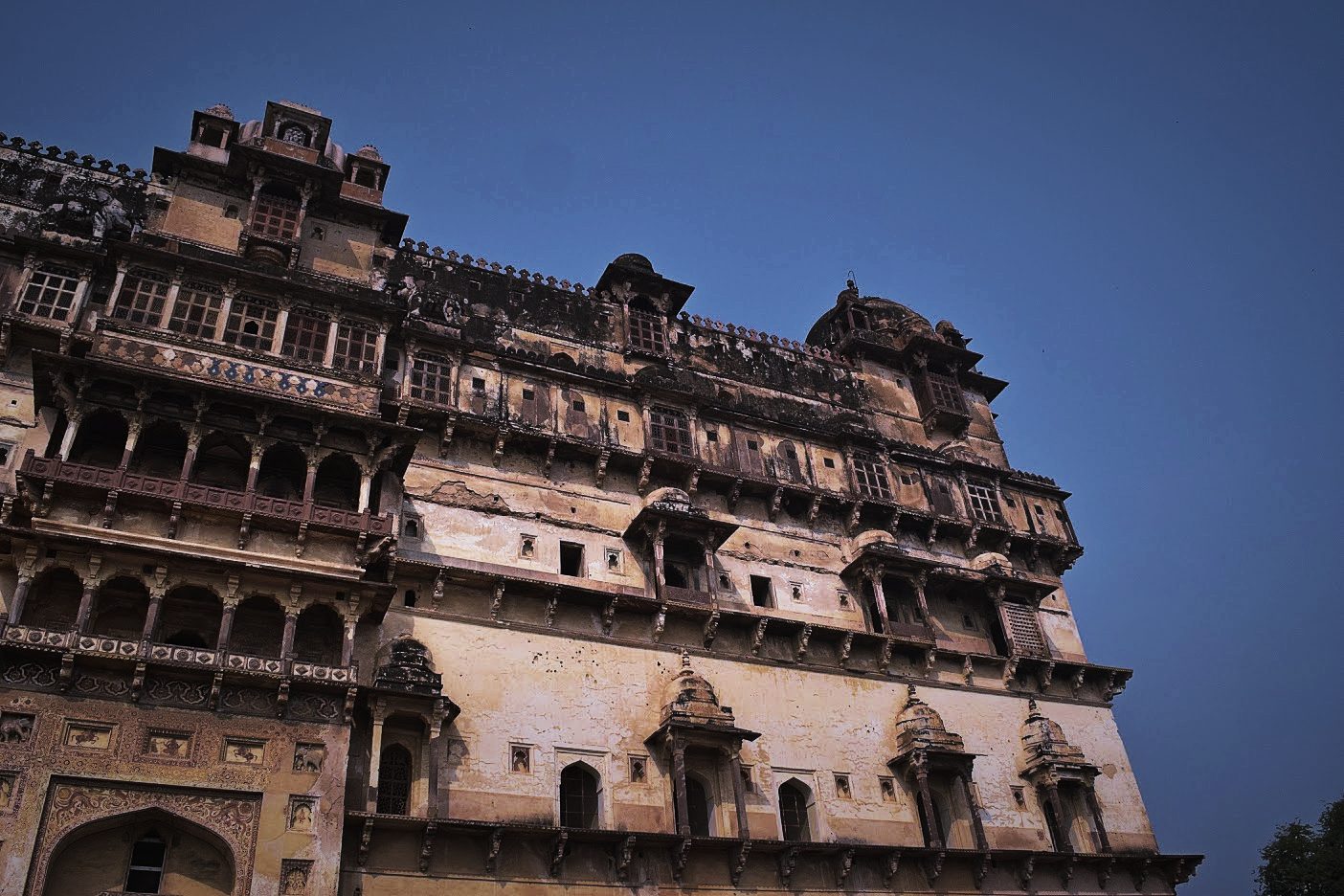
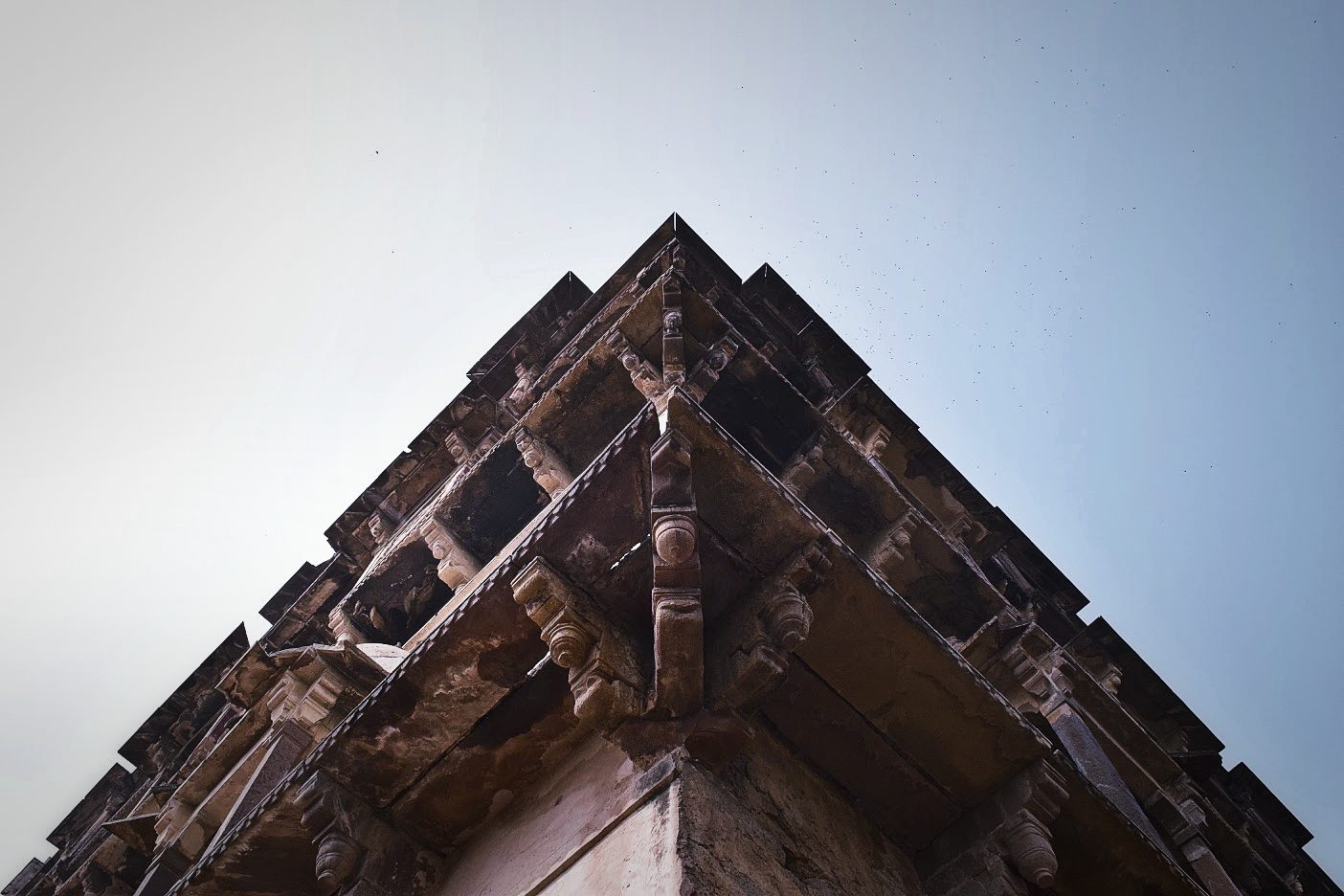
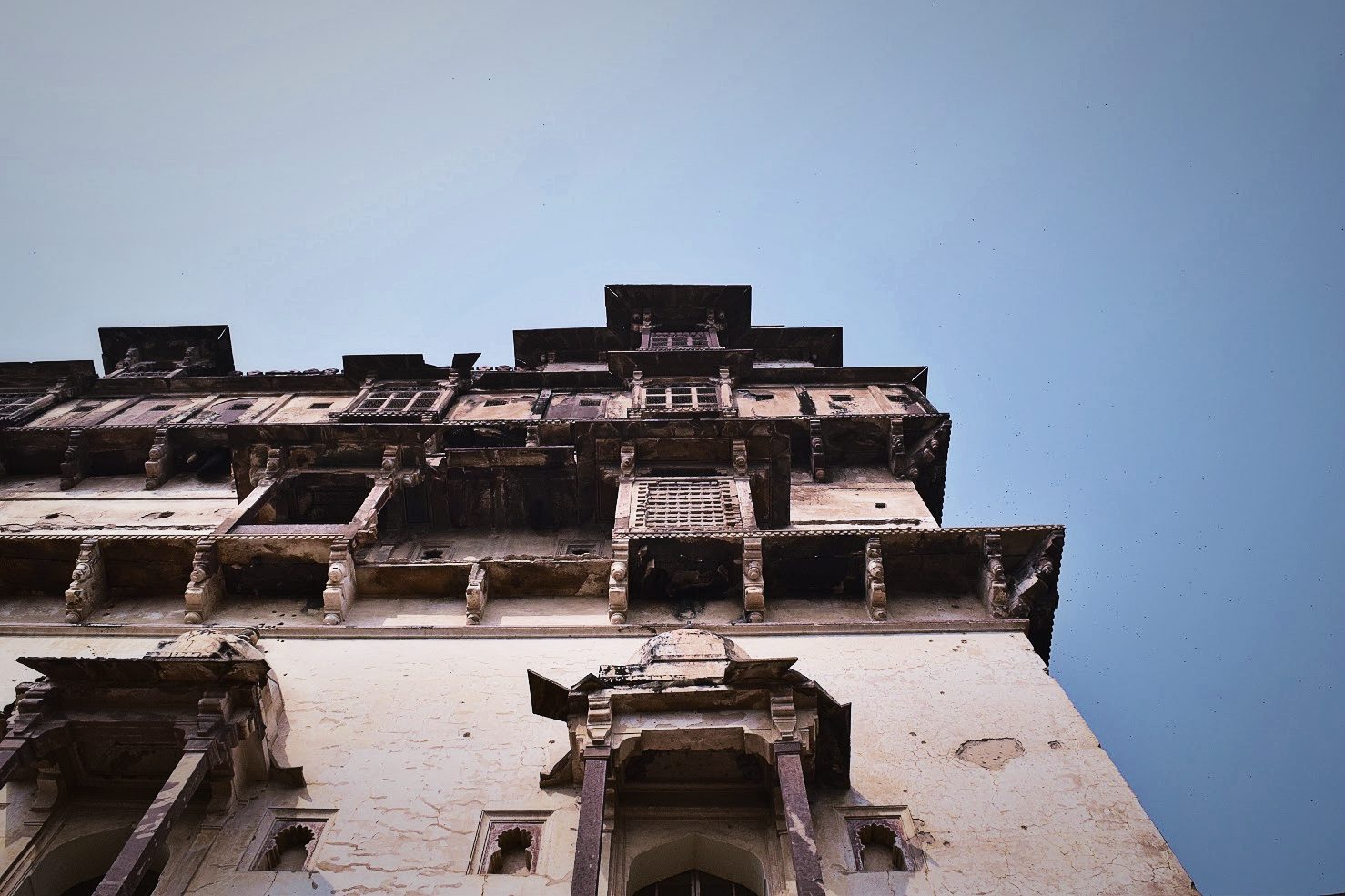
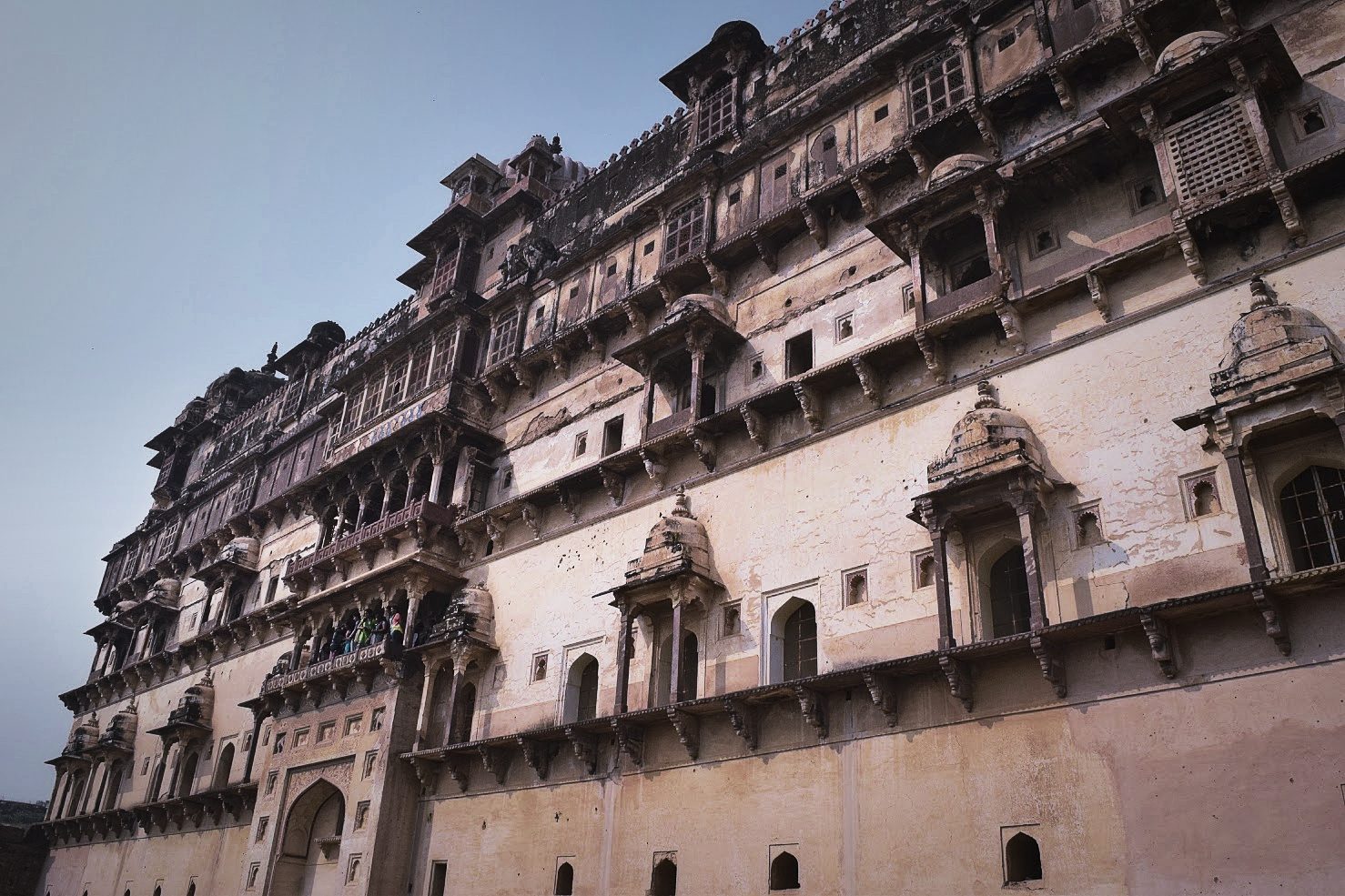
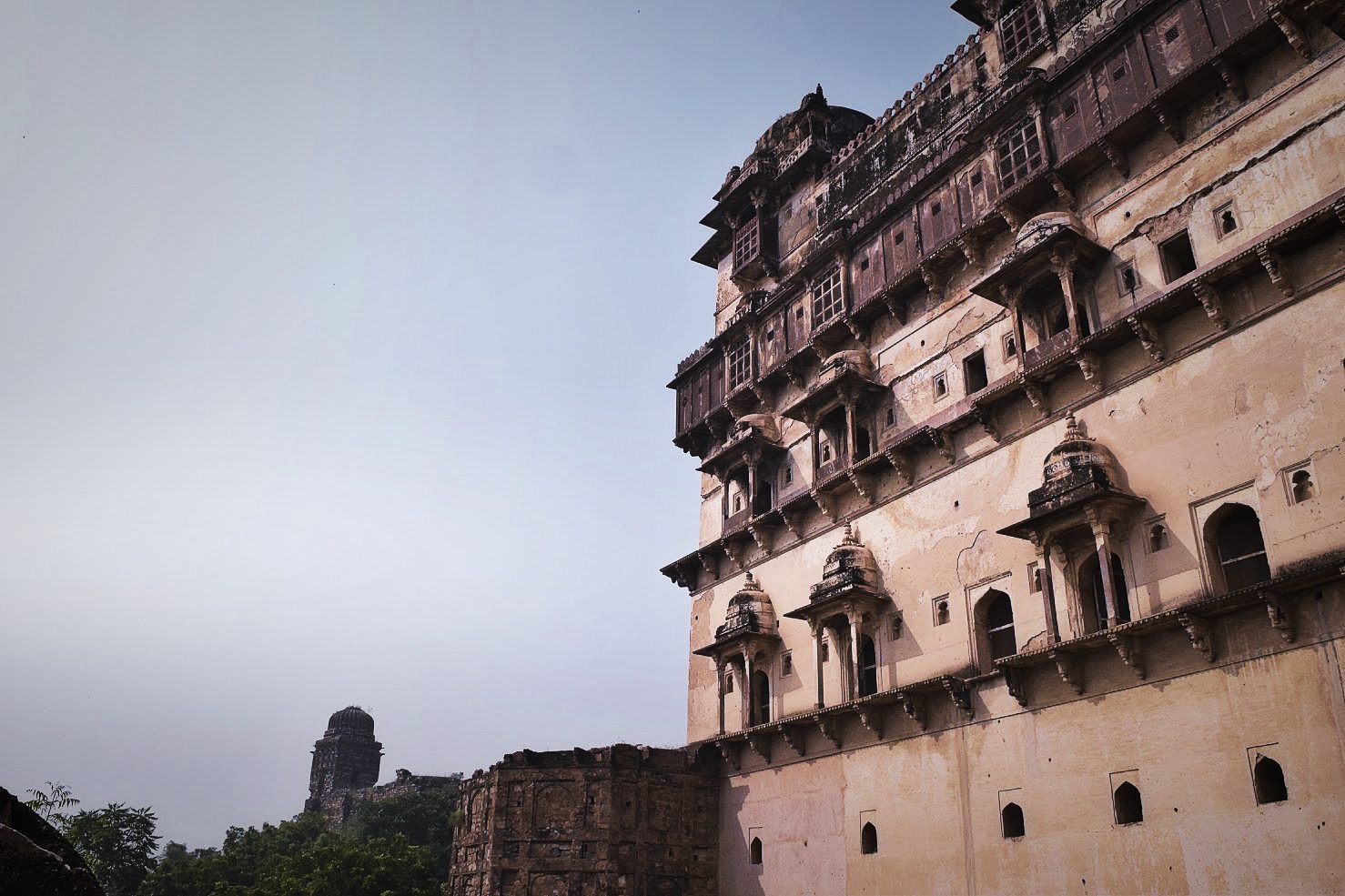
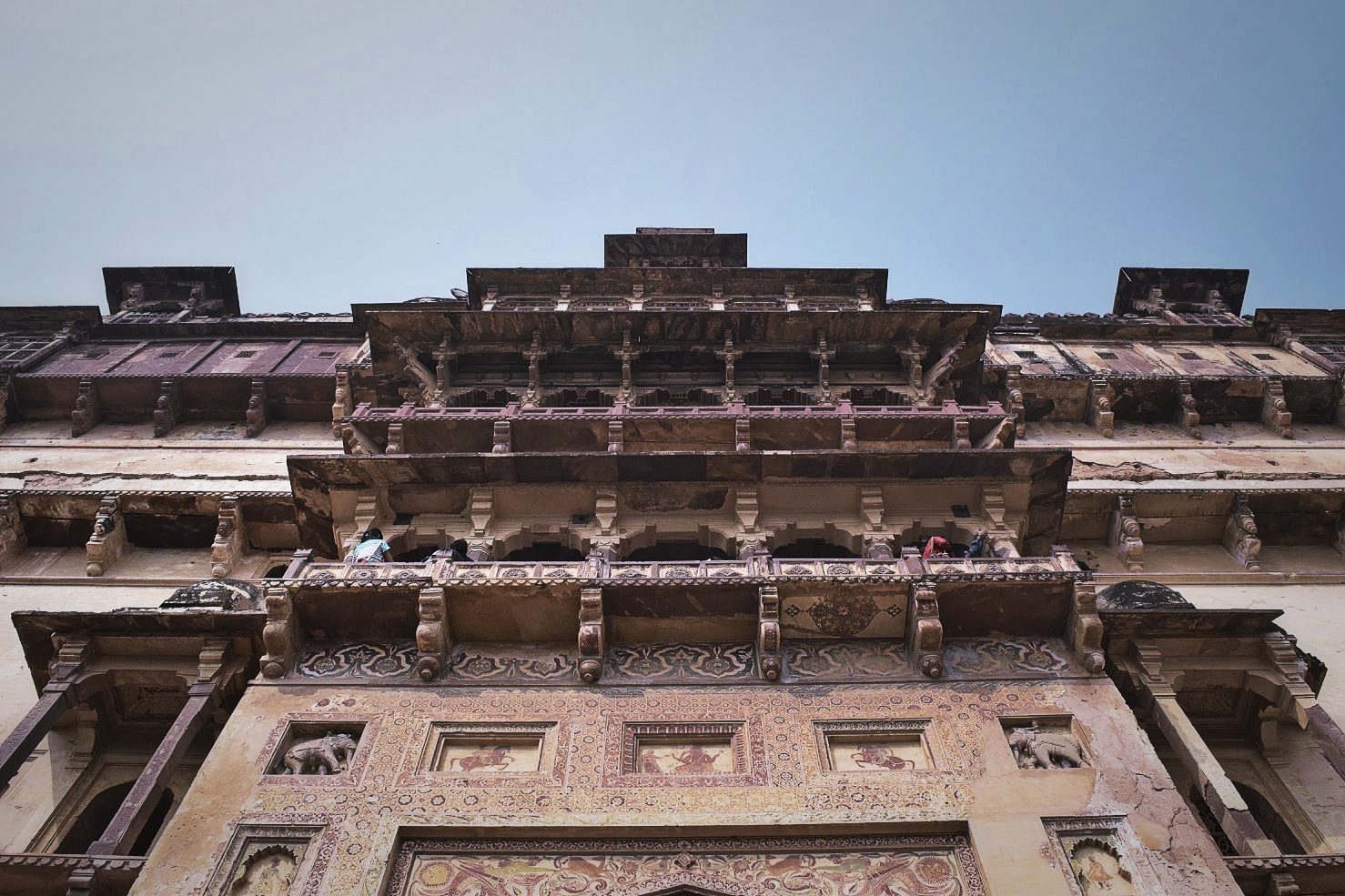
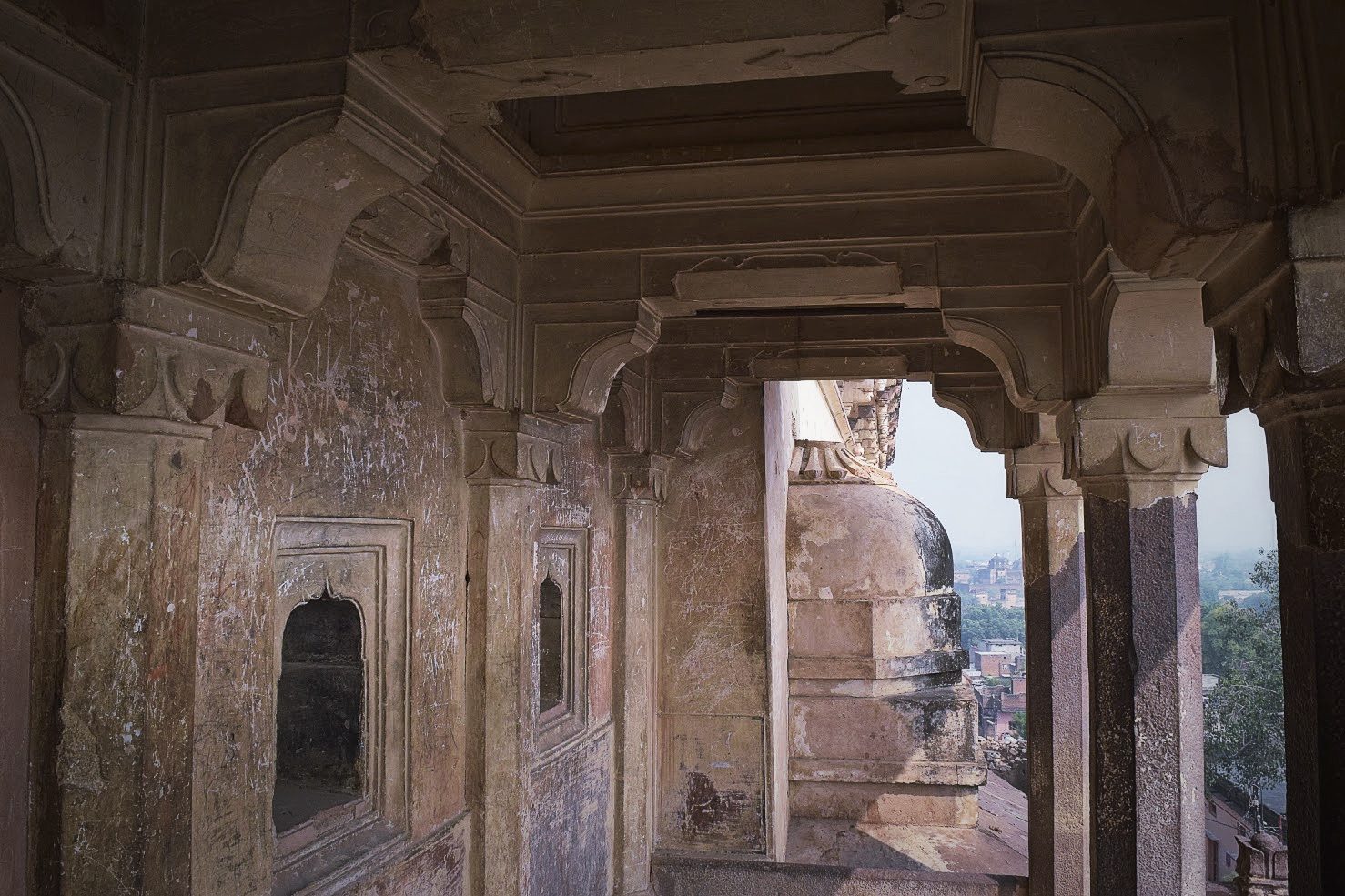
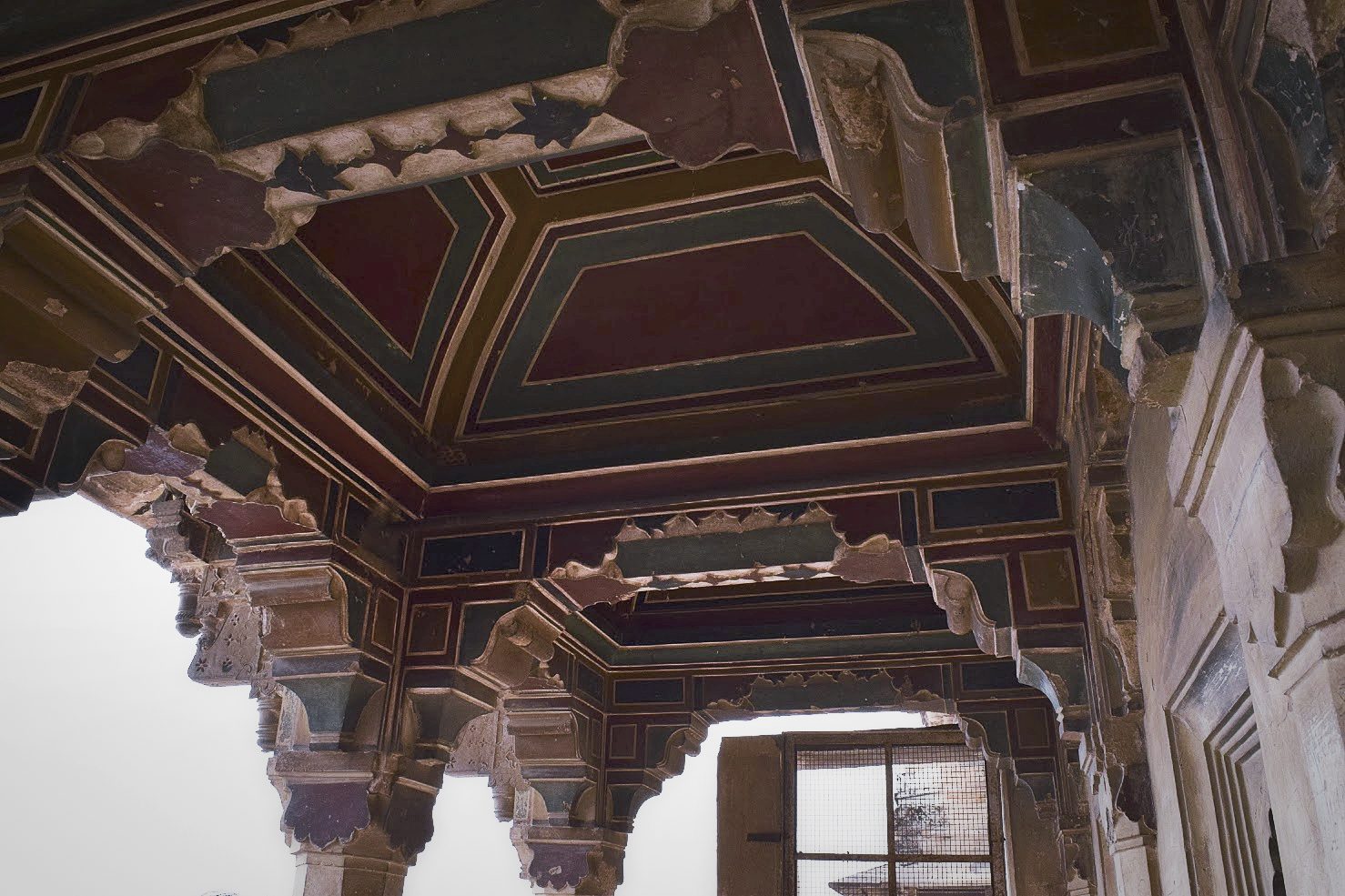
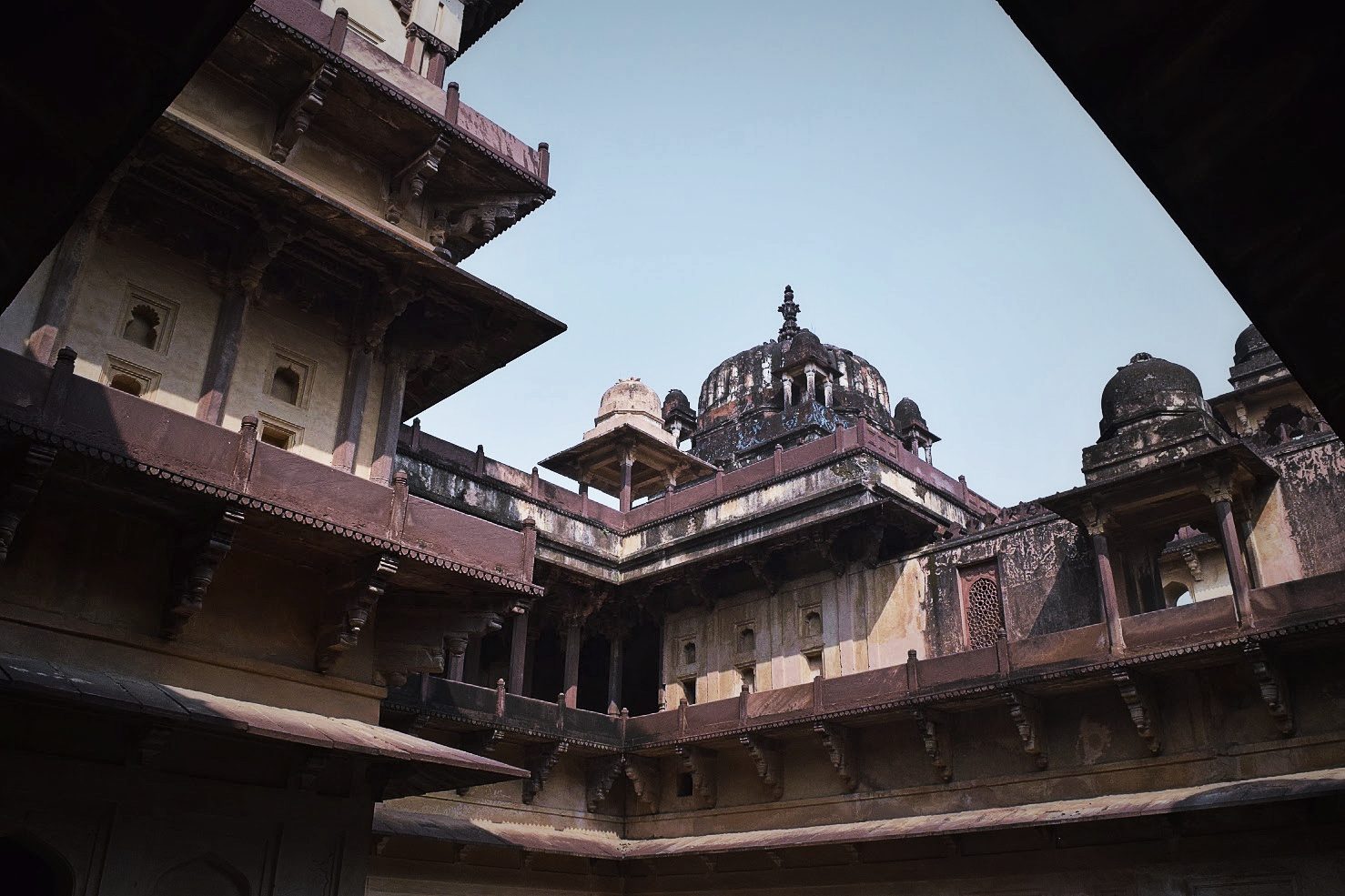
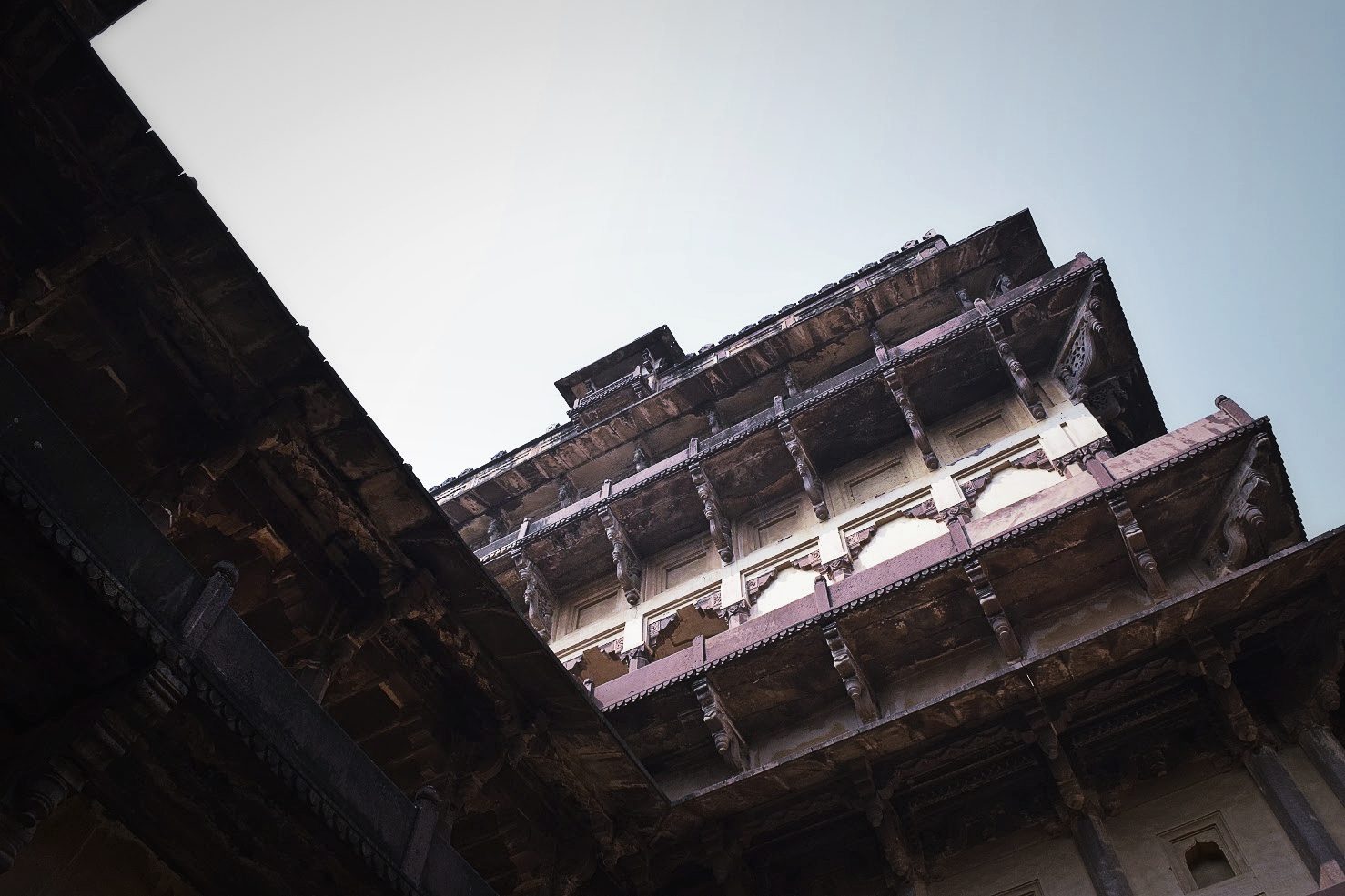
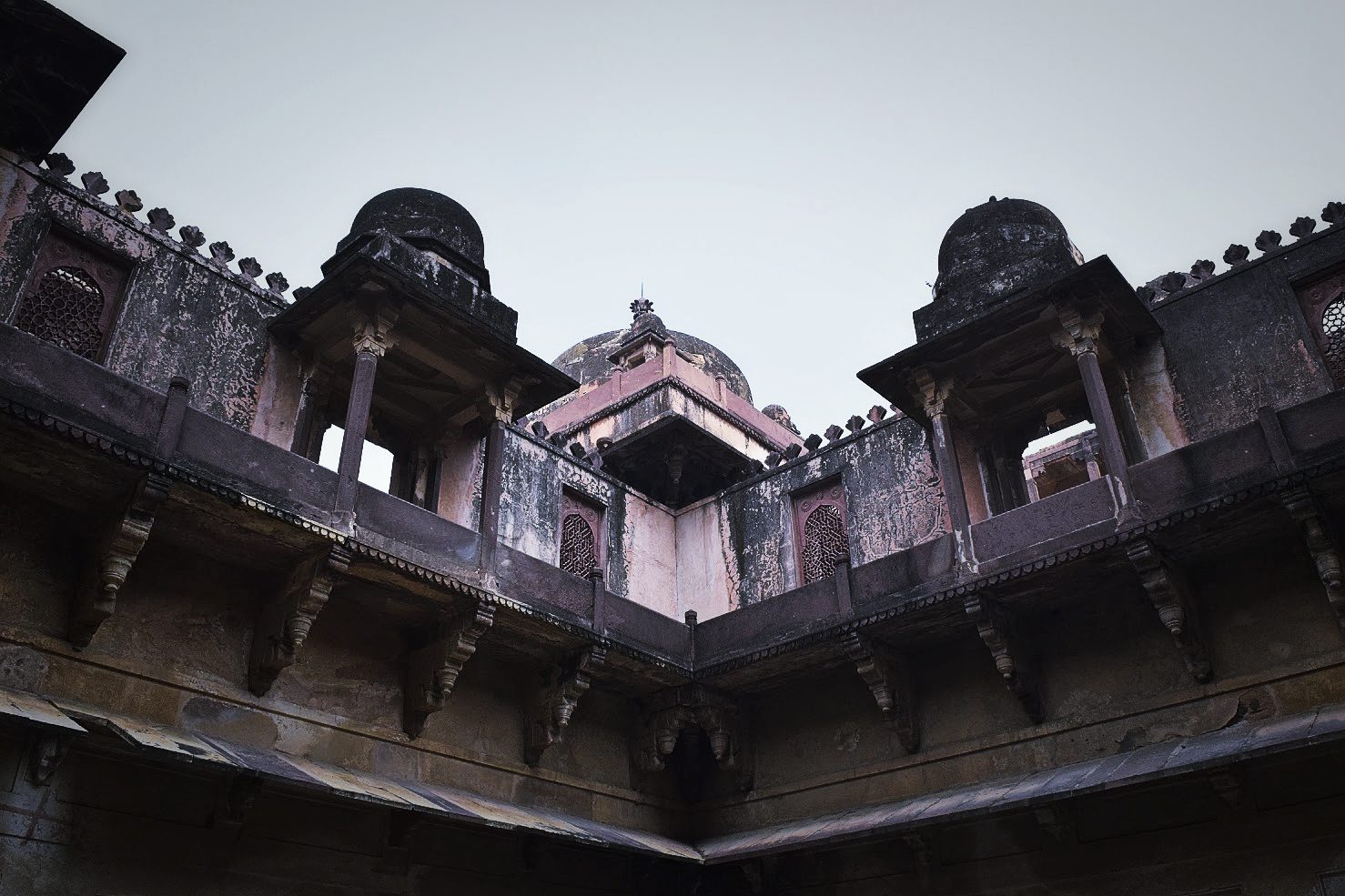
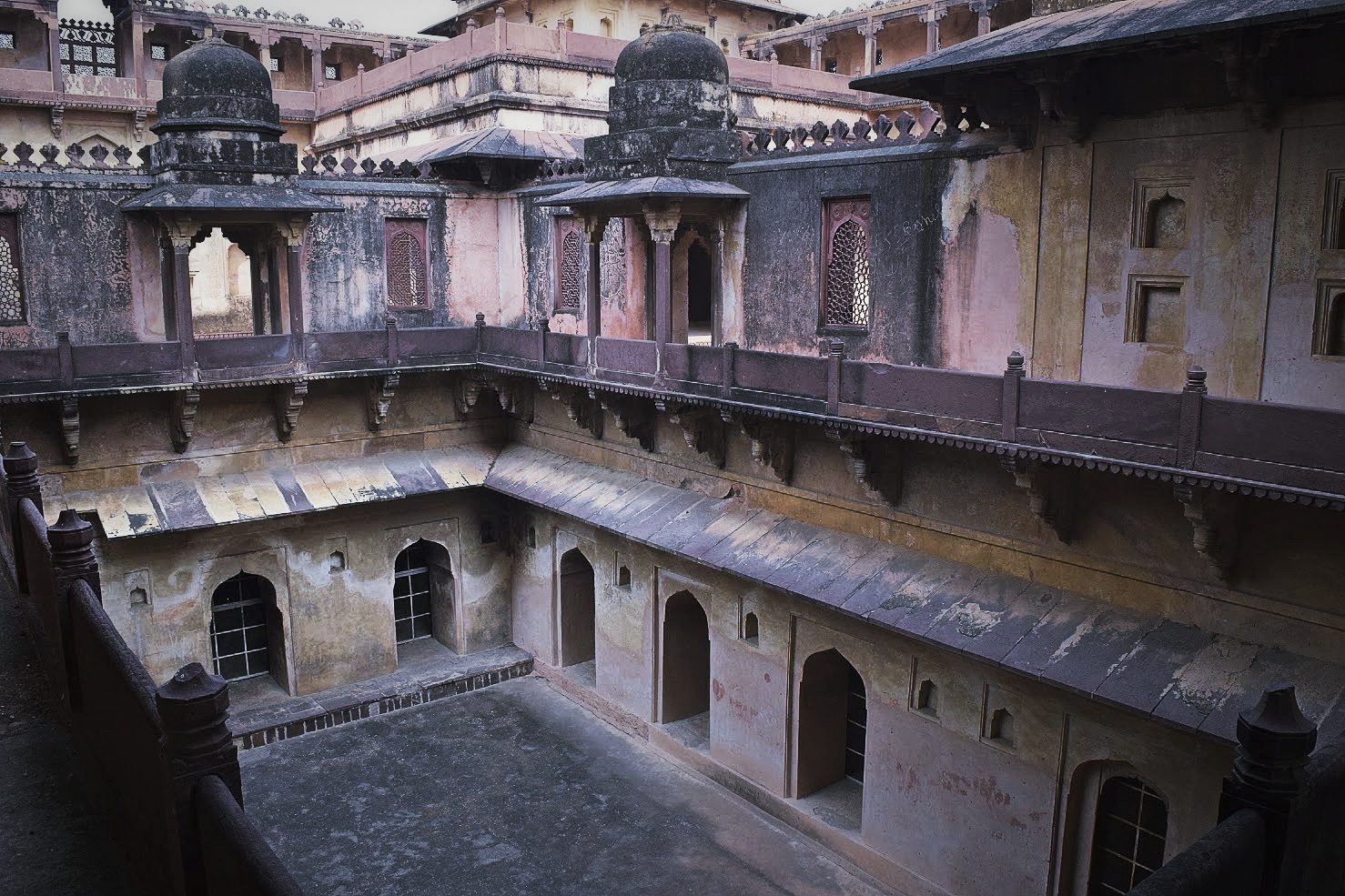
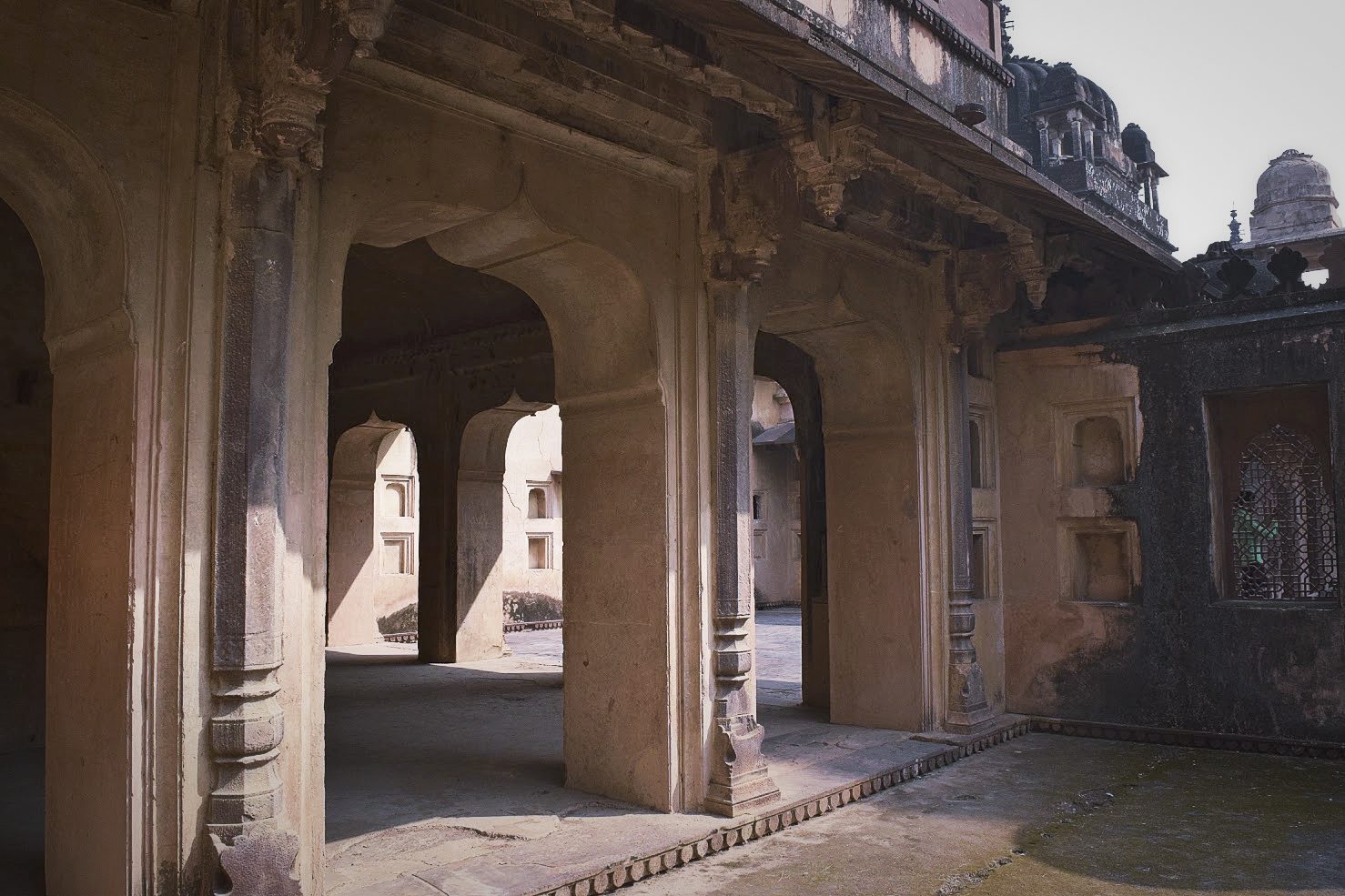
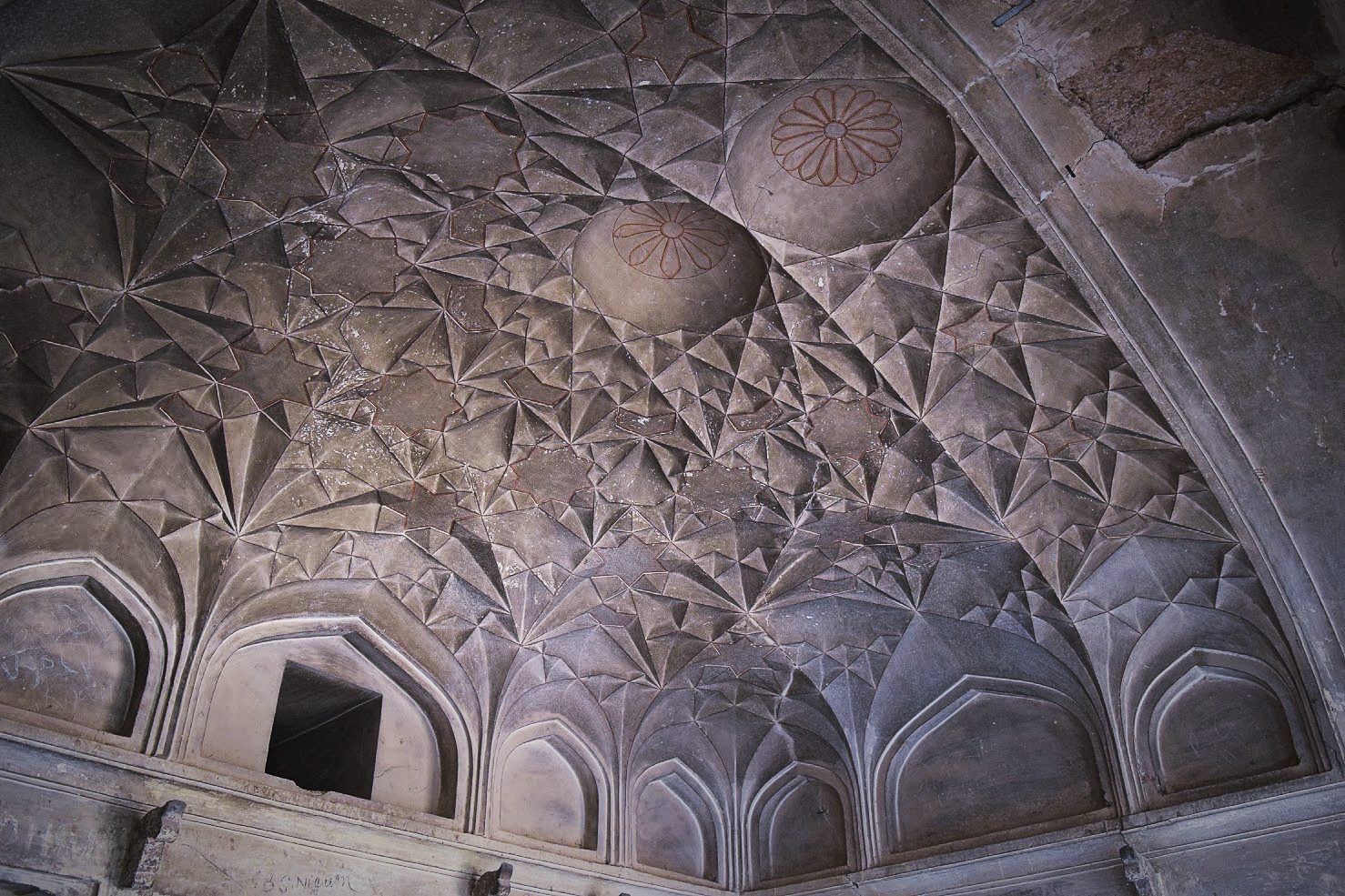
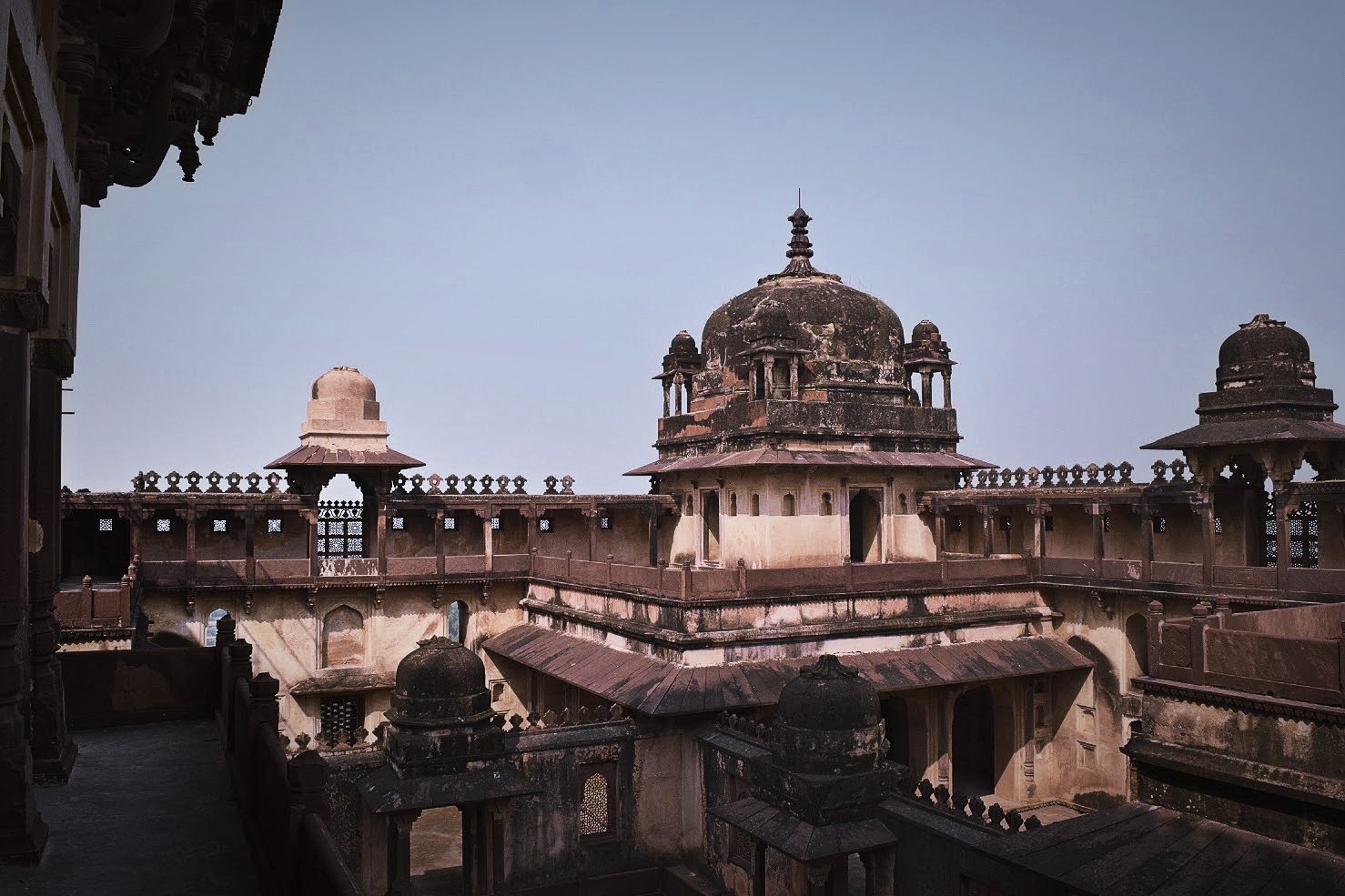
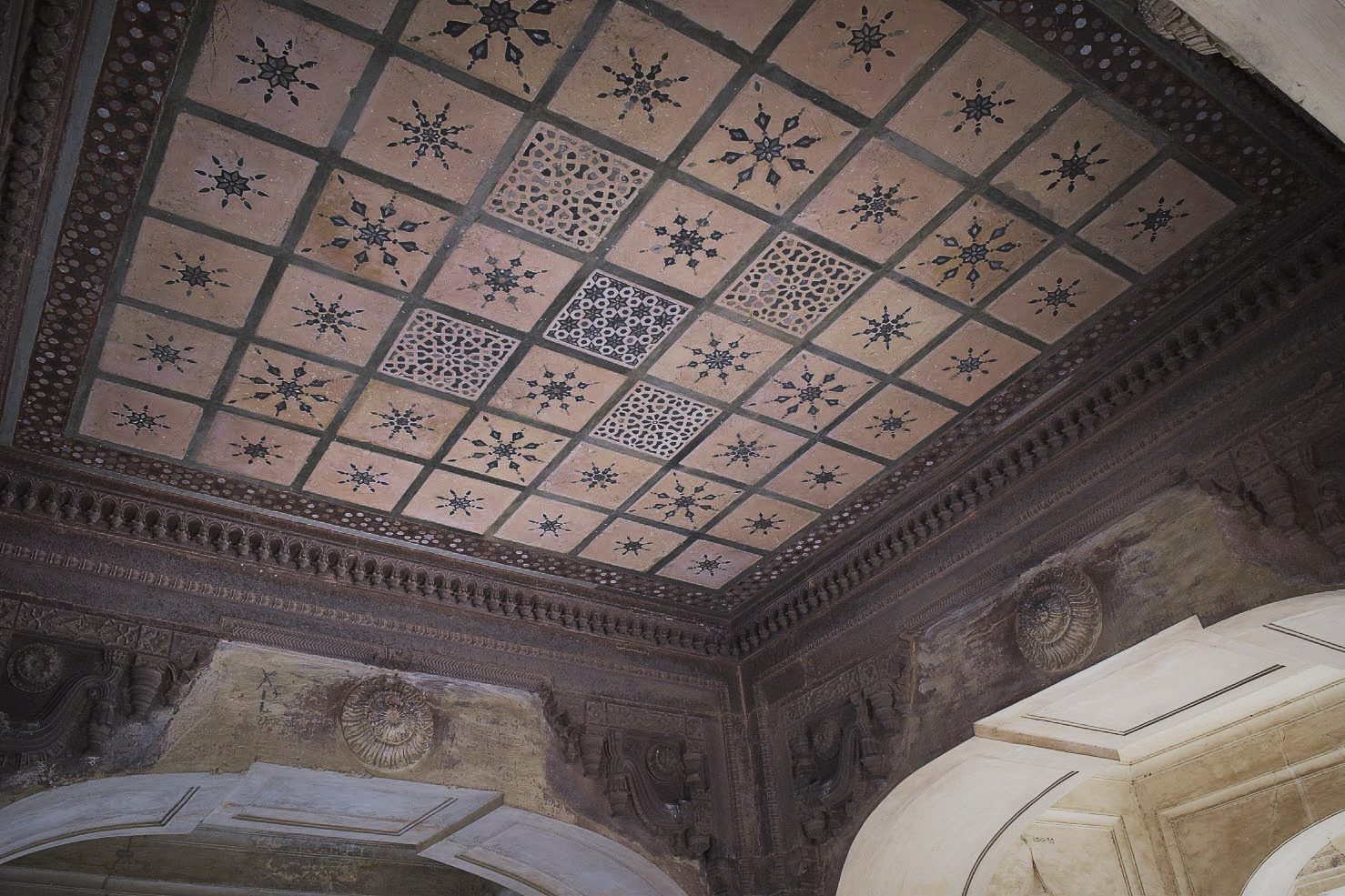
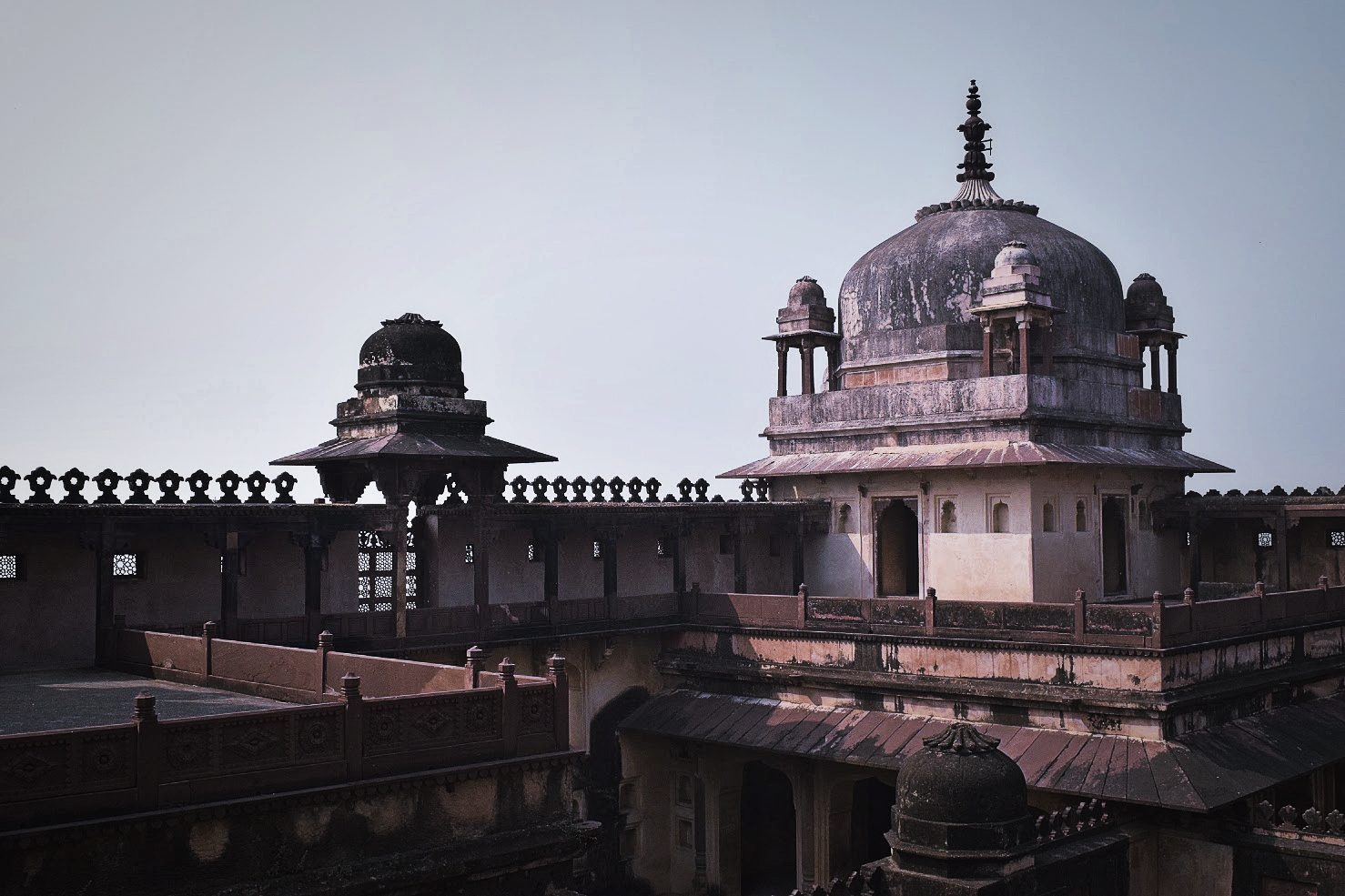
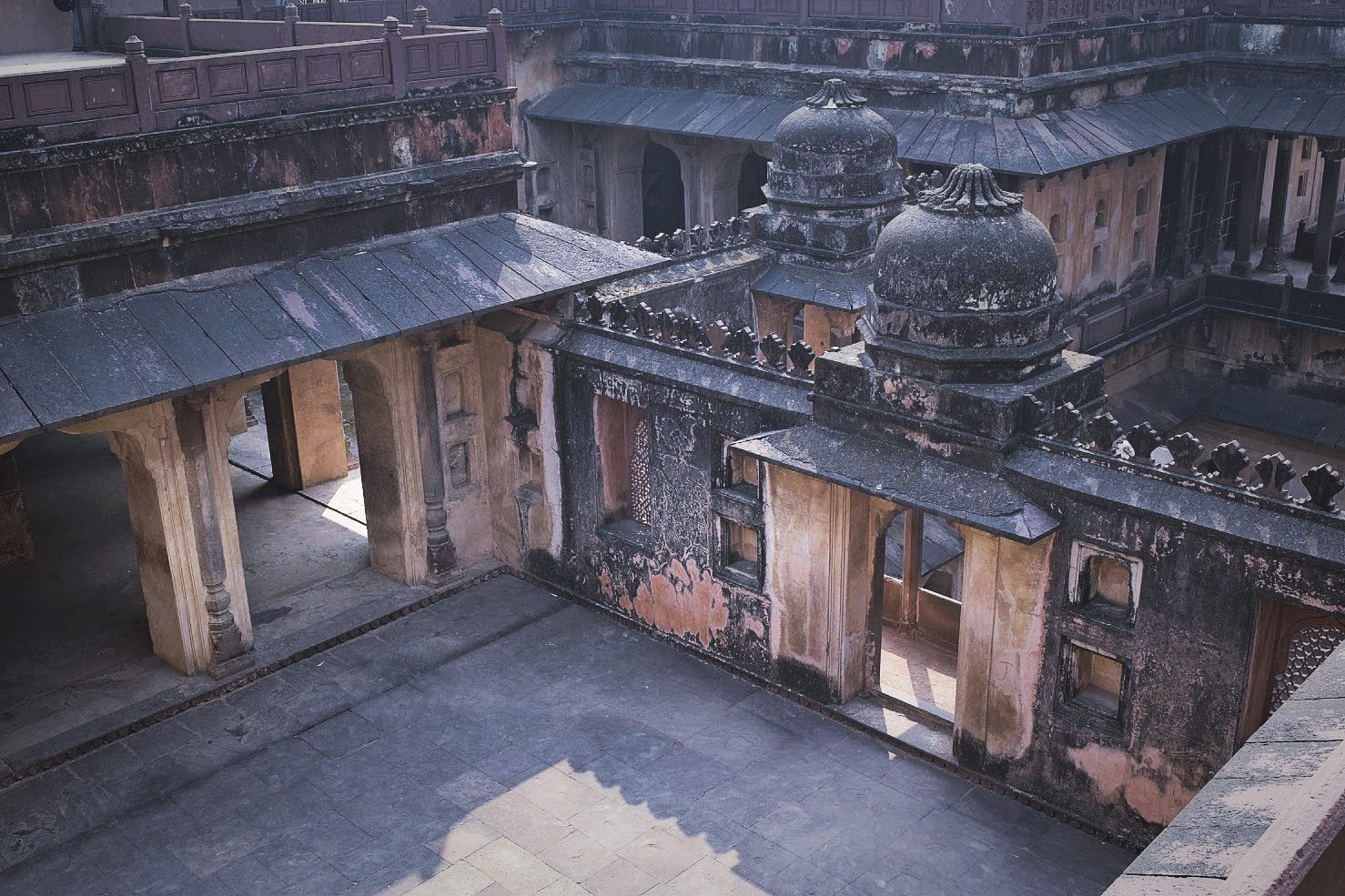
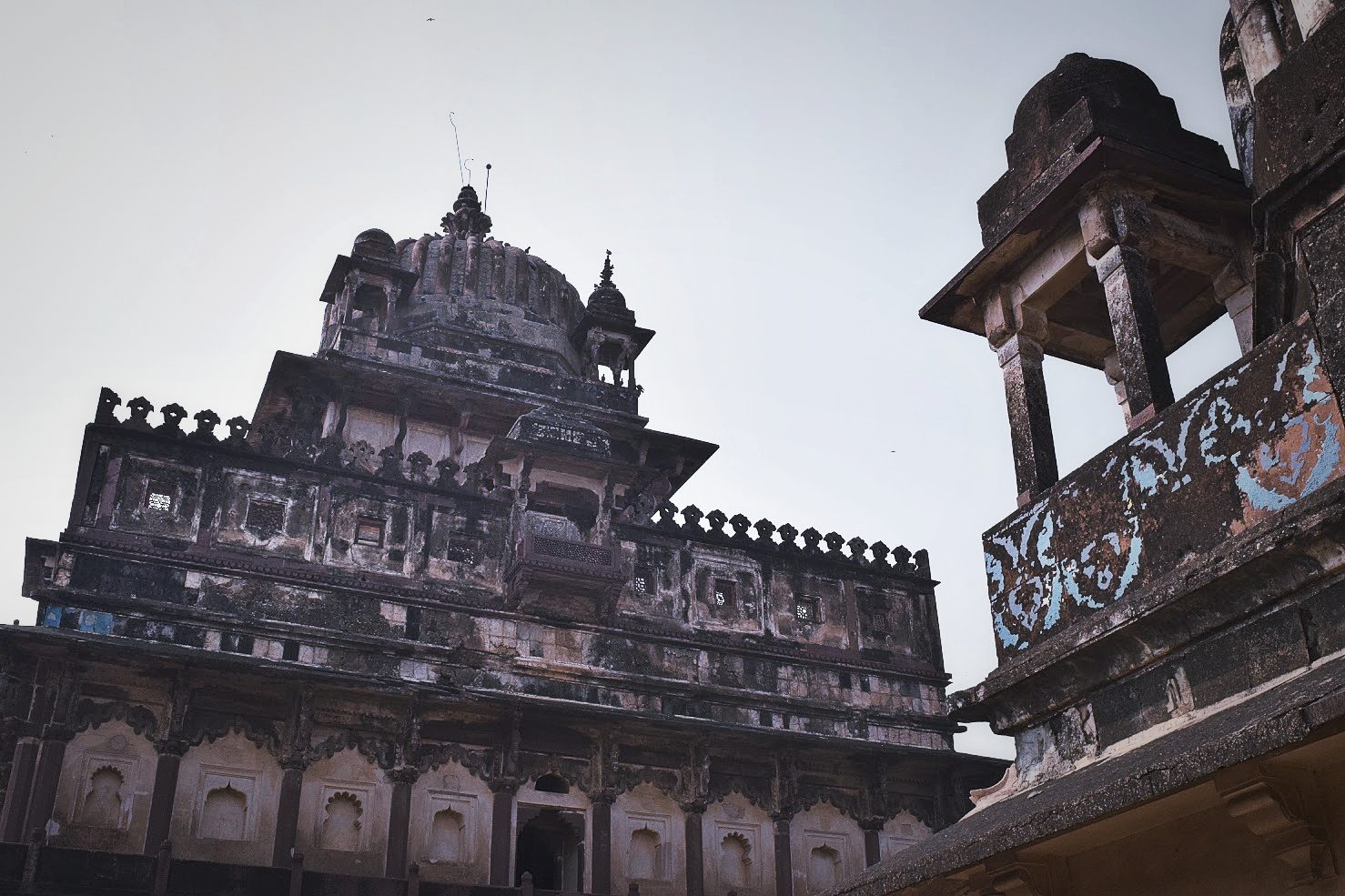
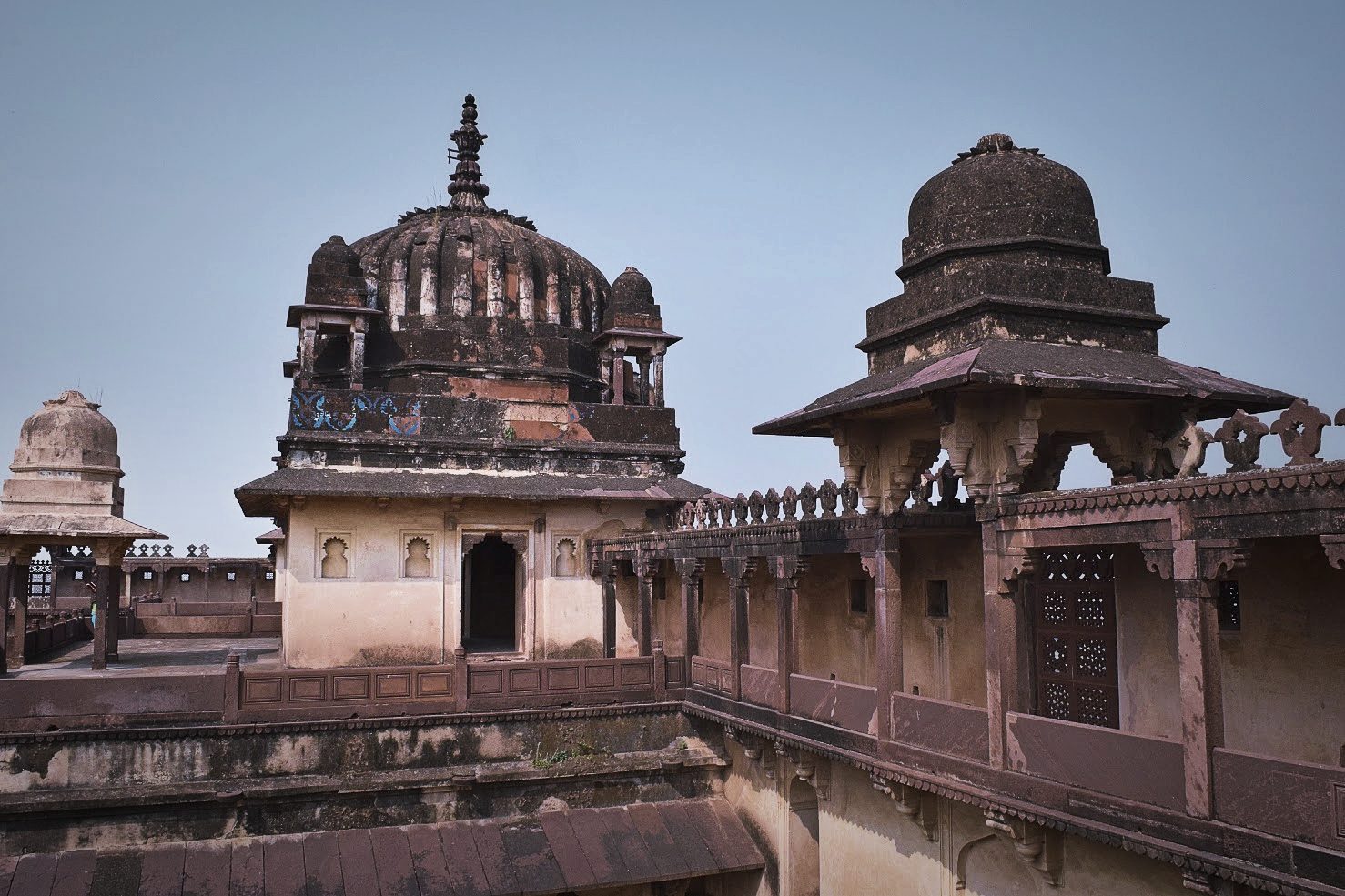
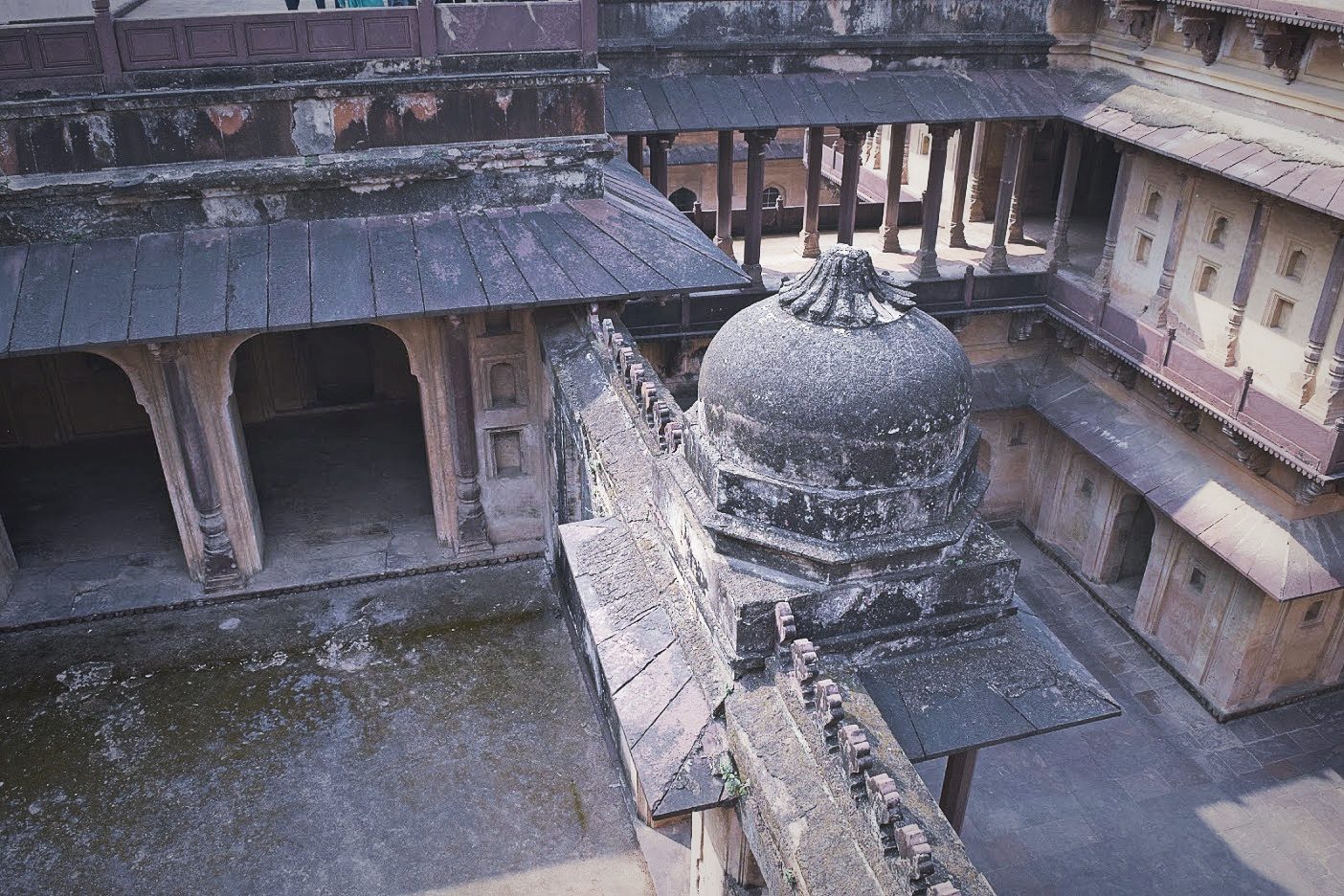
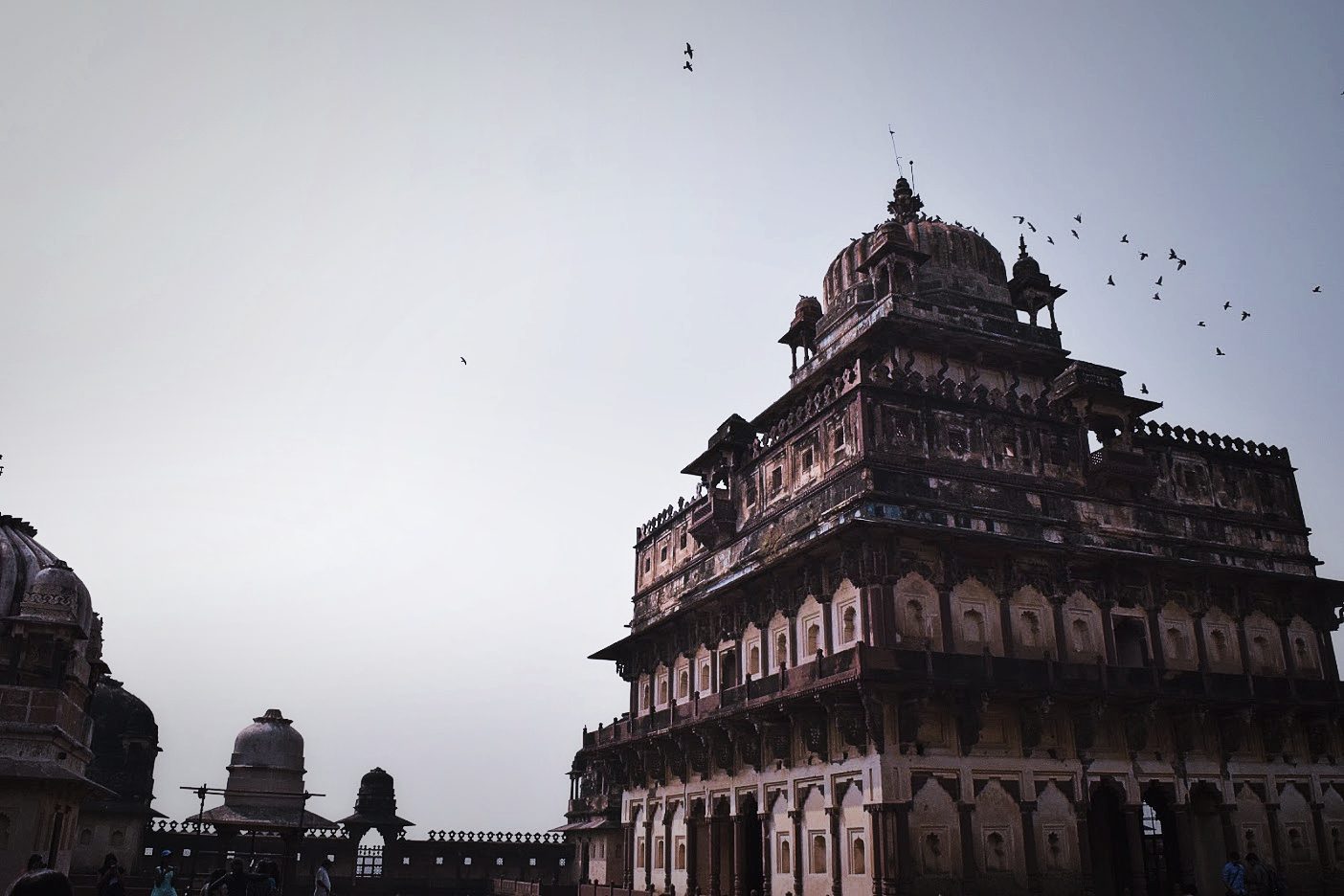
We went to Datia from Gwalior after a tiring bus journey and visited the 17th-century palace of Vir Singh Deo at Datia. A very fine example of Hindu architecture, apart from temples
Datia Palace
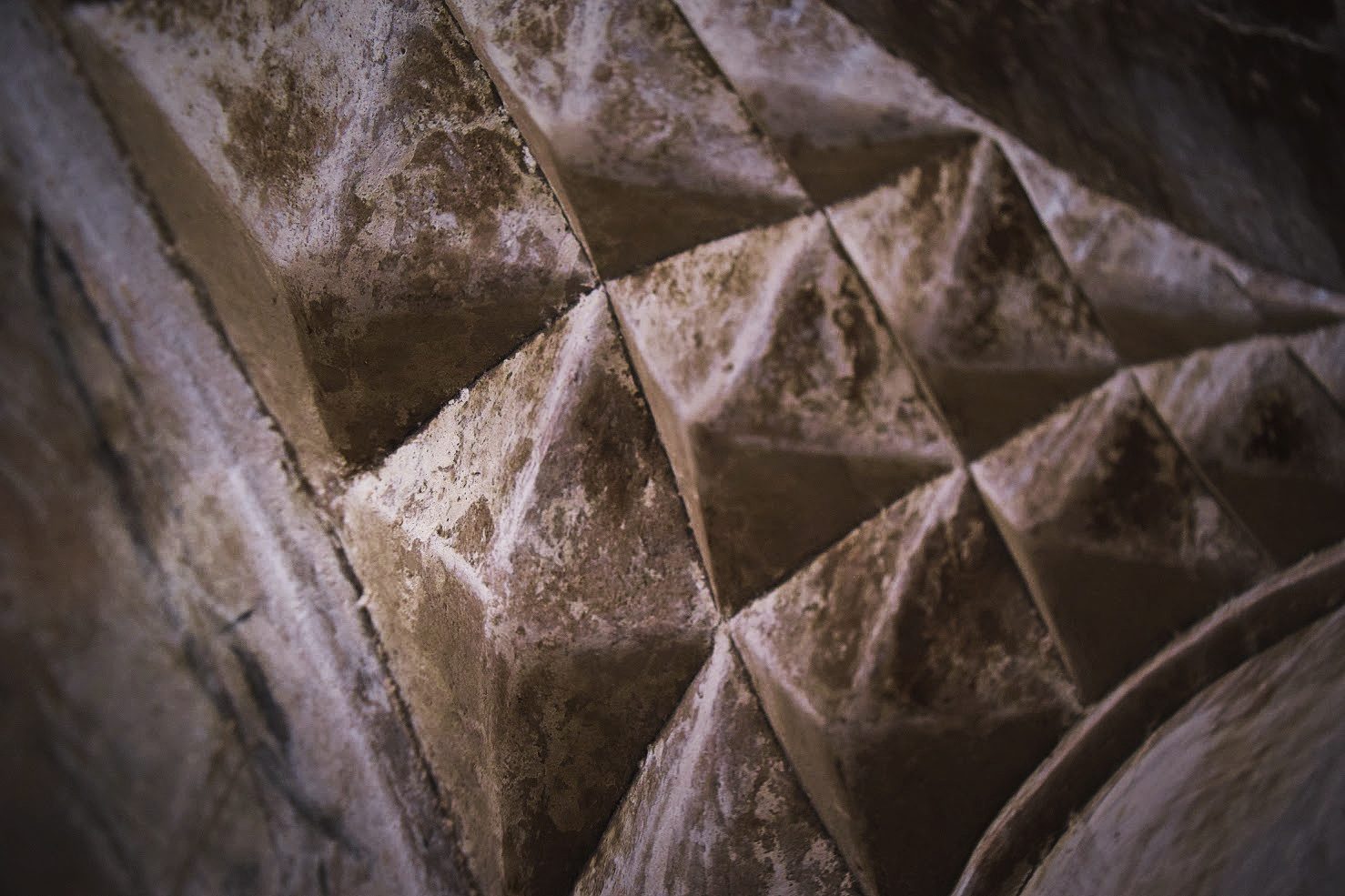
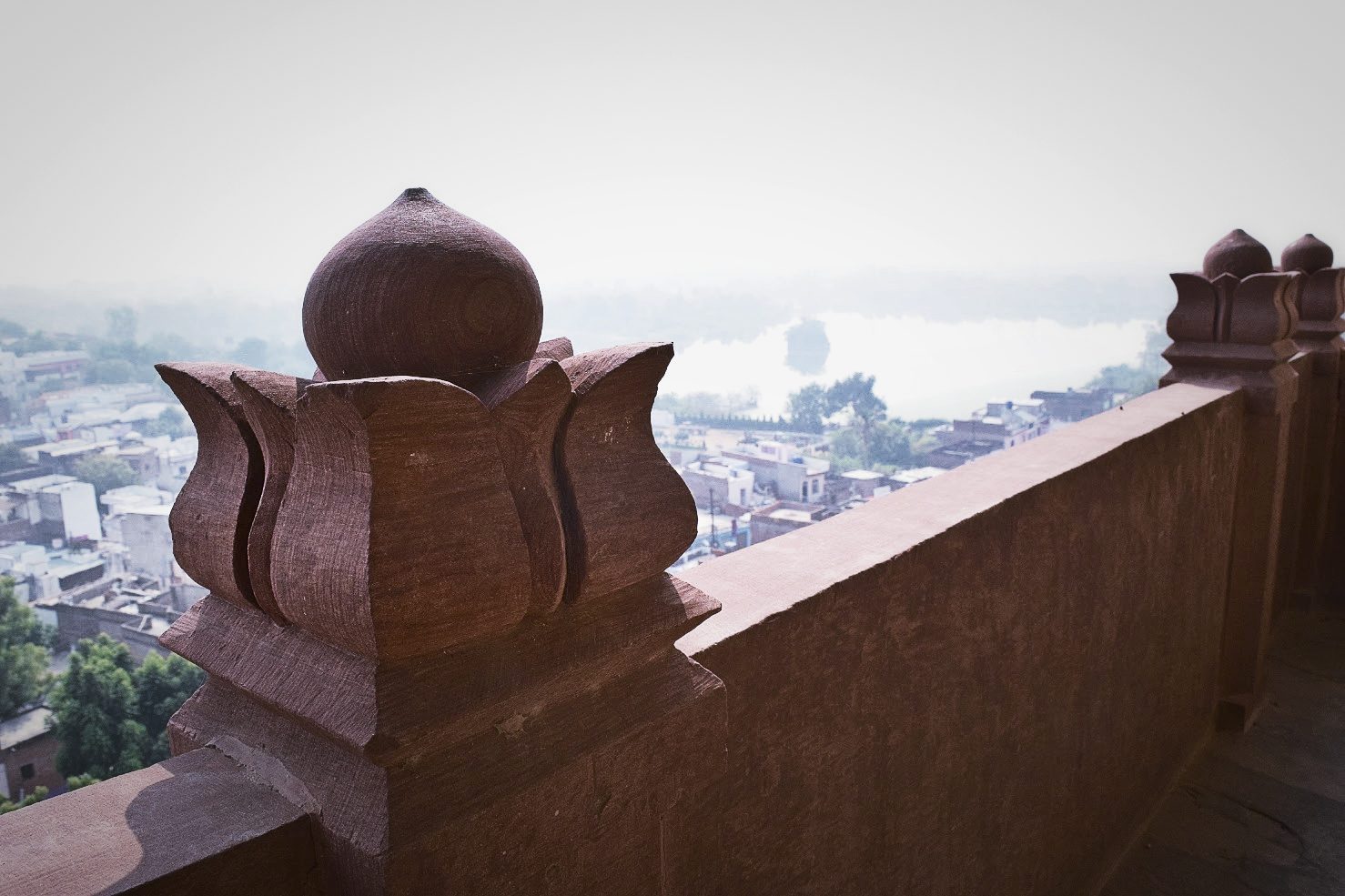
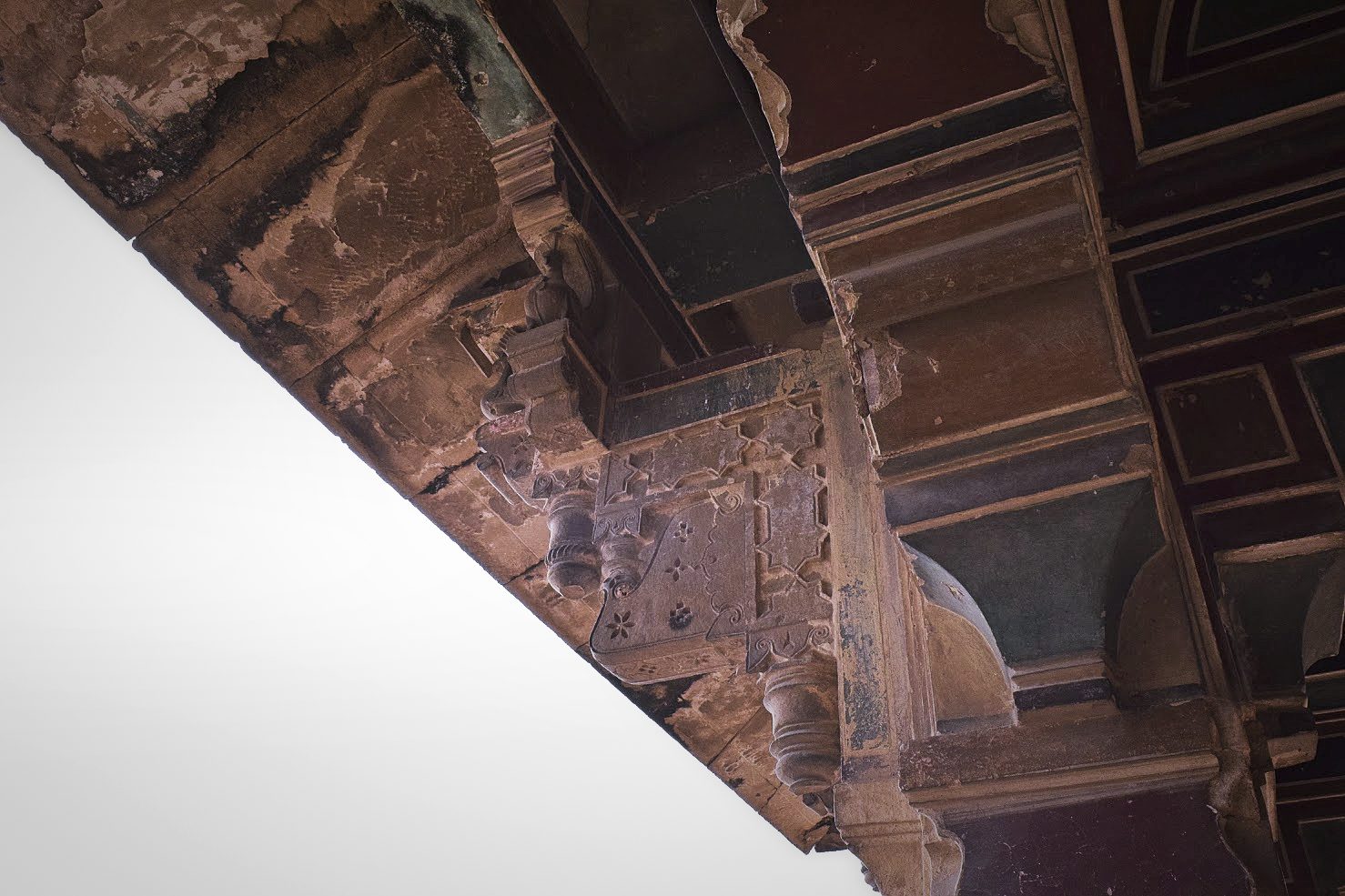
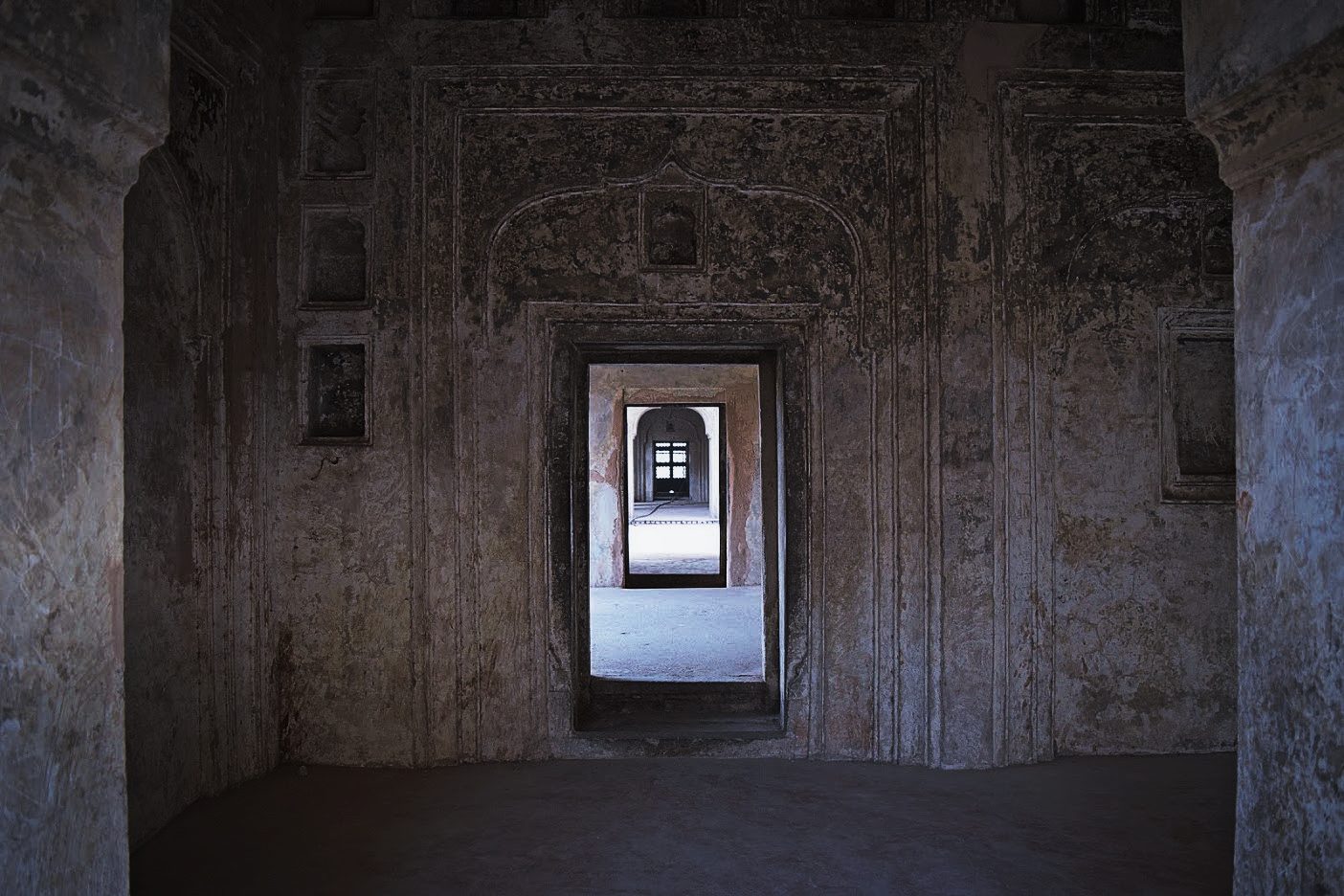
This palace was deserted when we were there, as it is not in any major tourist circuit, it was relatively free. I really loved the orthogonal spatial and planar organisation of the palace, a strikingly Hindu feature, from the Vasthu Purusha Mandala.
Orchha
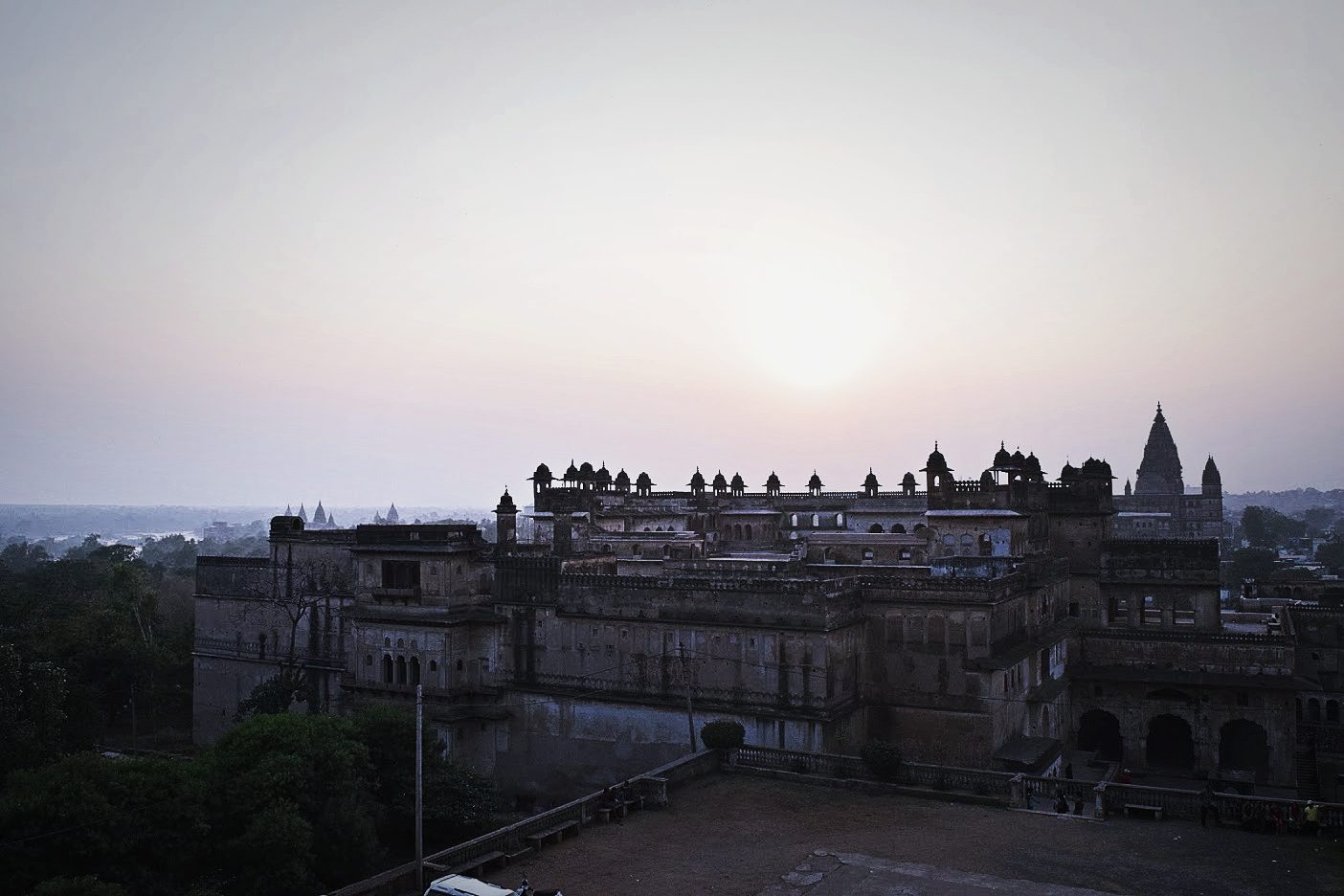
We reached Orchha from Datia during our north India trip. Both these towns have shared history. This was a quiet town, with huge buildings marking its centre, totally out of scale to the surroundings. We went to Lakshmi mandir and the Orchha fort complex. Both the precincts are opposite to each other, few meters away.
Lakshmi Mandir
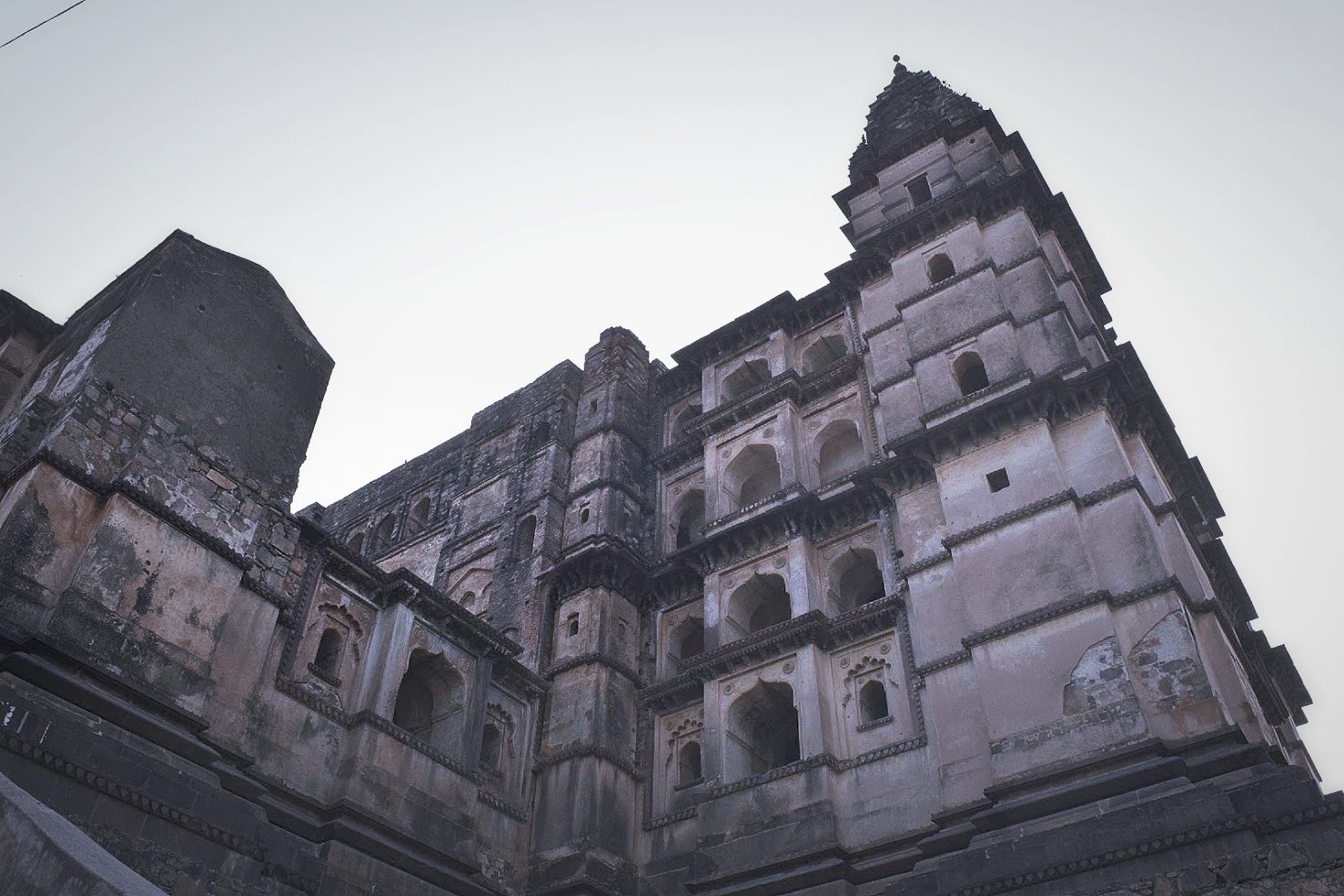
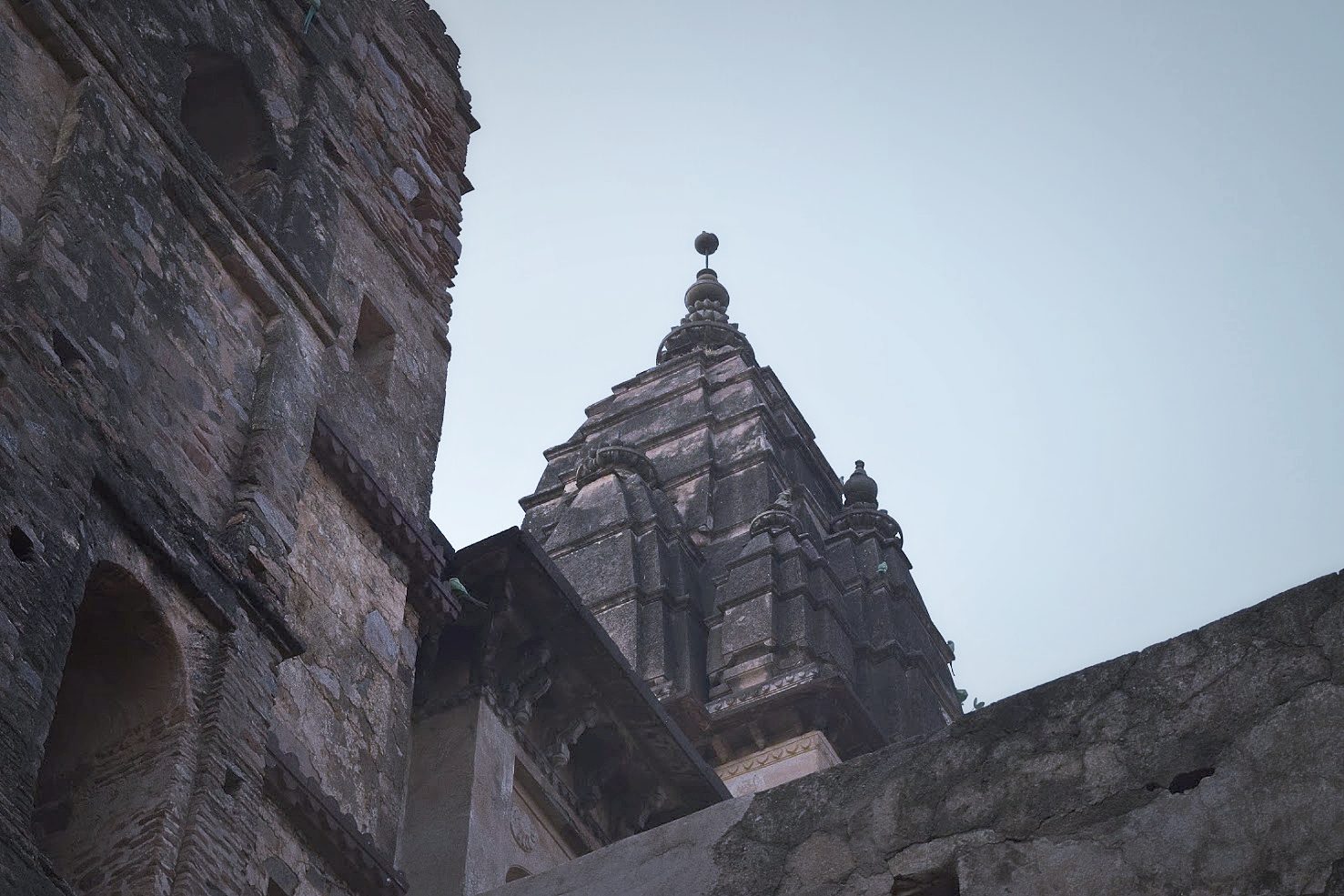
Lakshmi mandir was built by the king Vir Singh Deo. Though it is dedicated to Goddess Lakshmi, we didn’t find any idols in the temple. It is a fine example of fusion of Hindu religious and fort architecture.
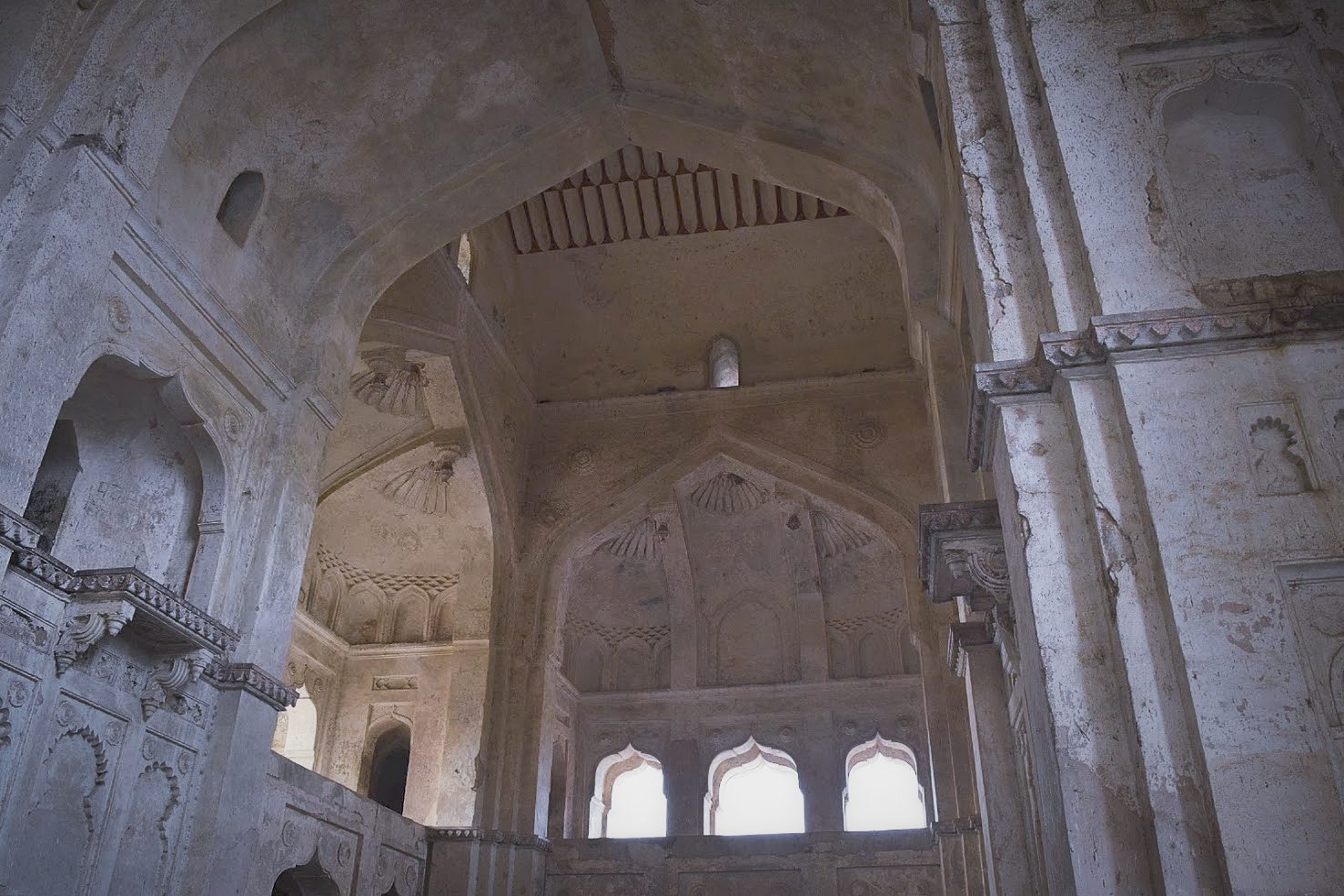
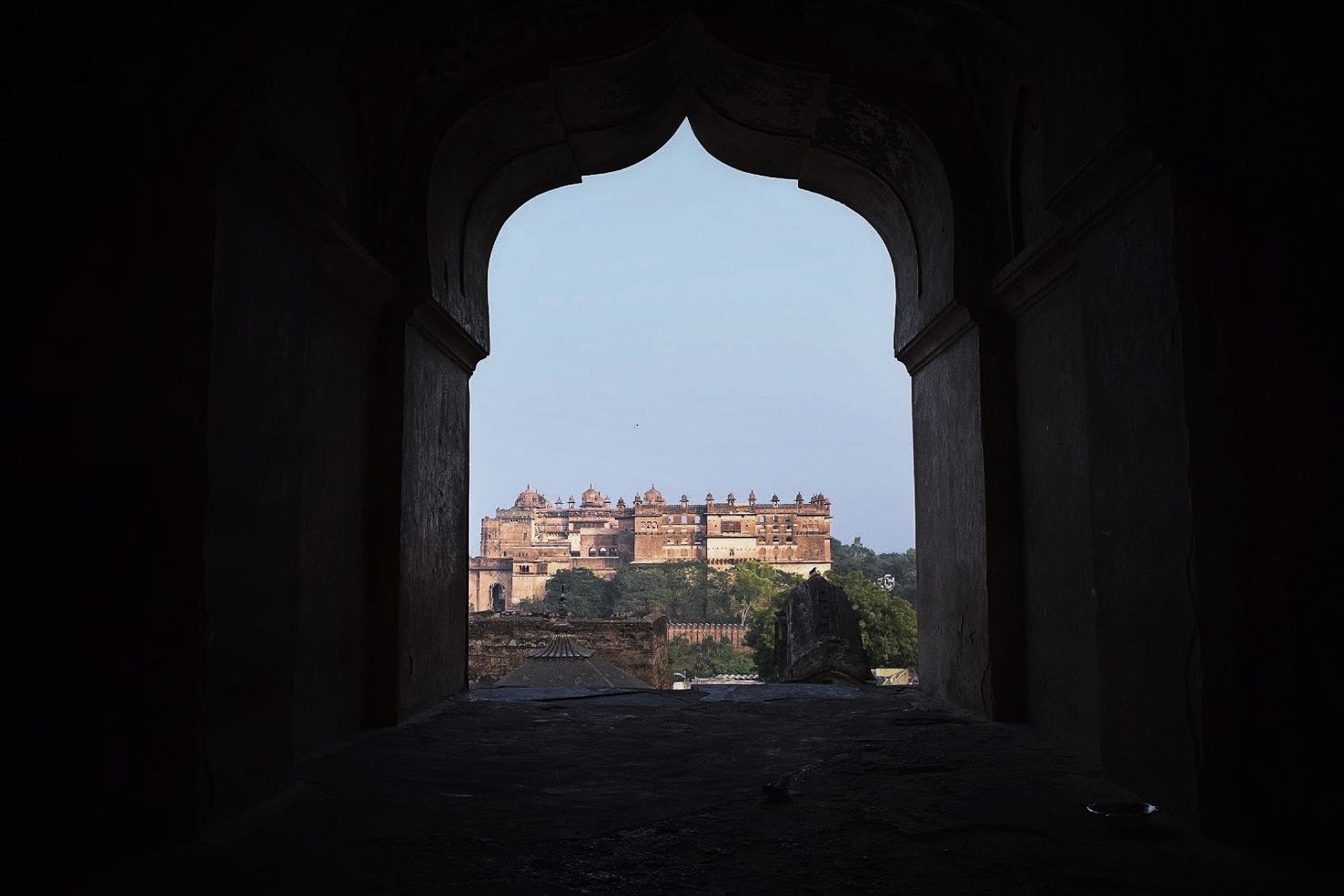
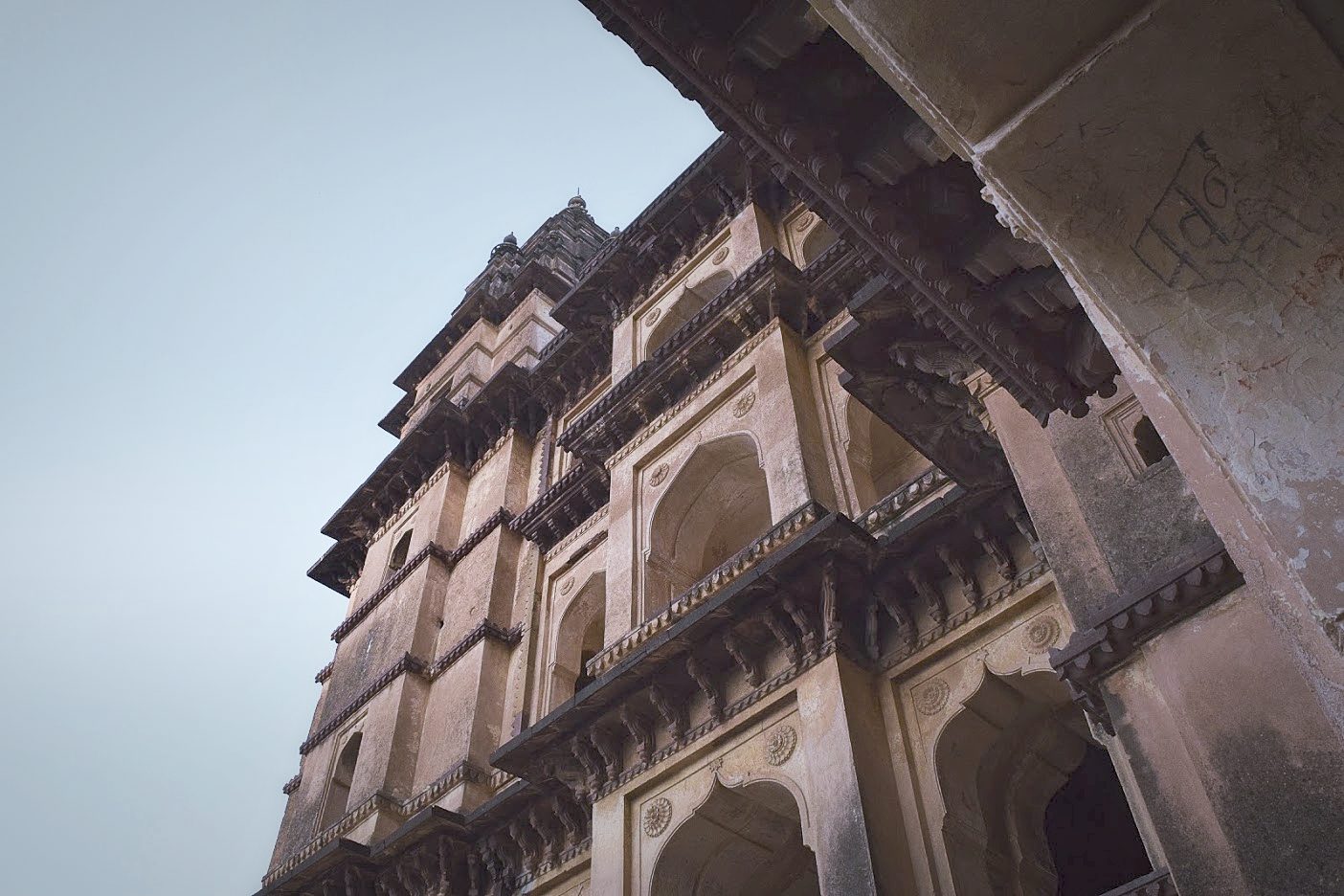
Orchha Fort complex
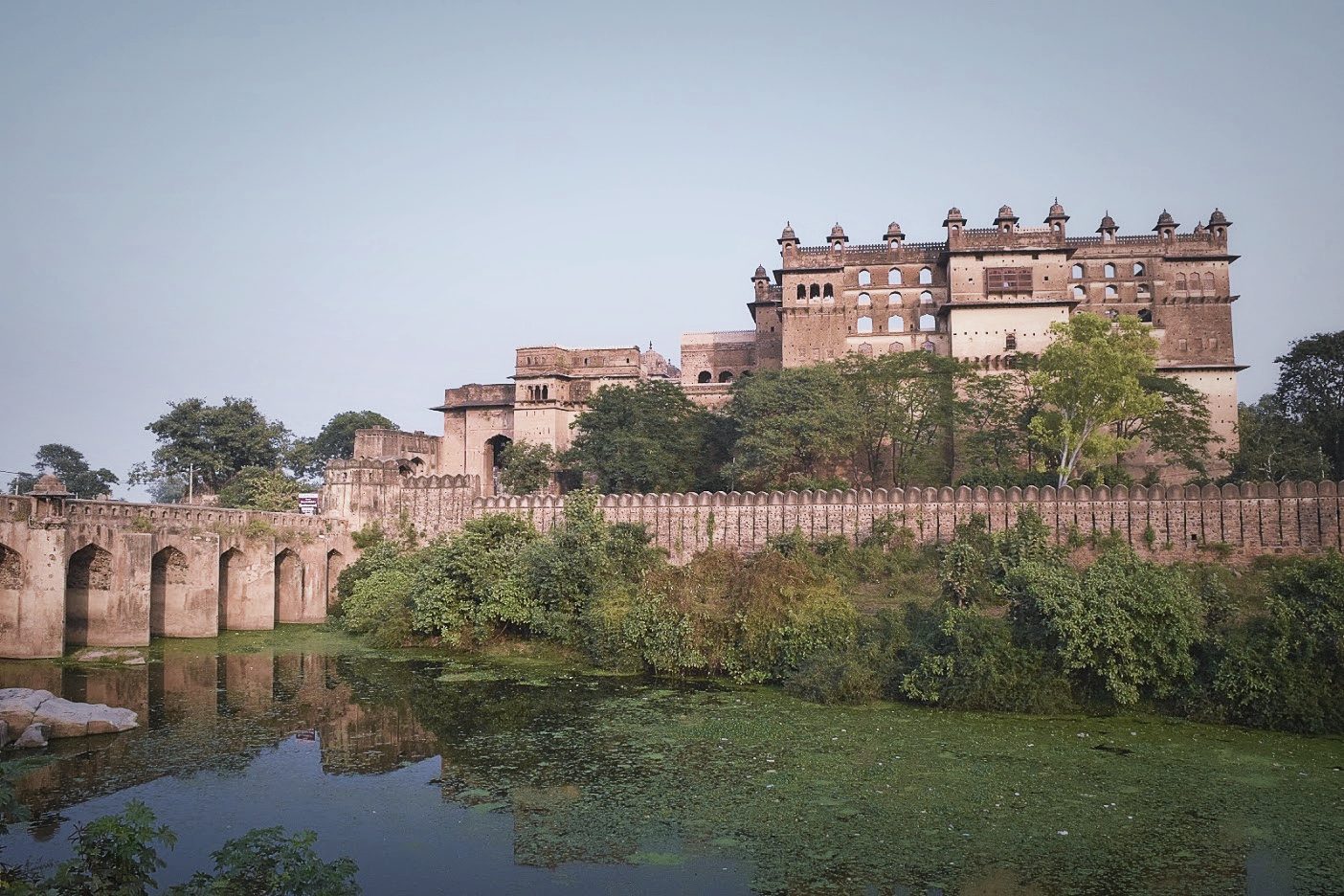
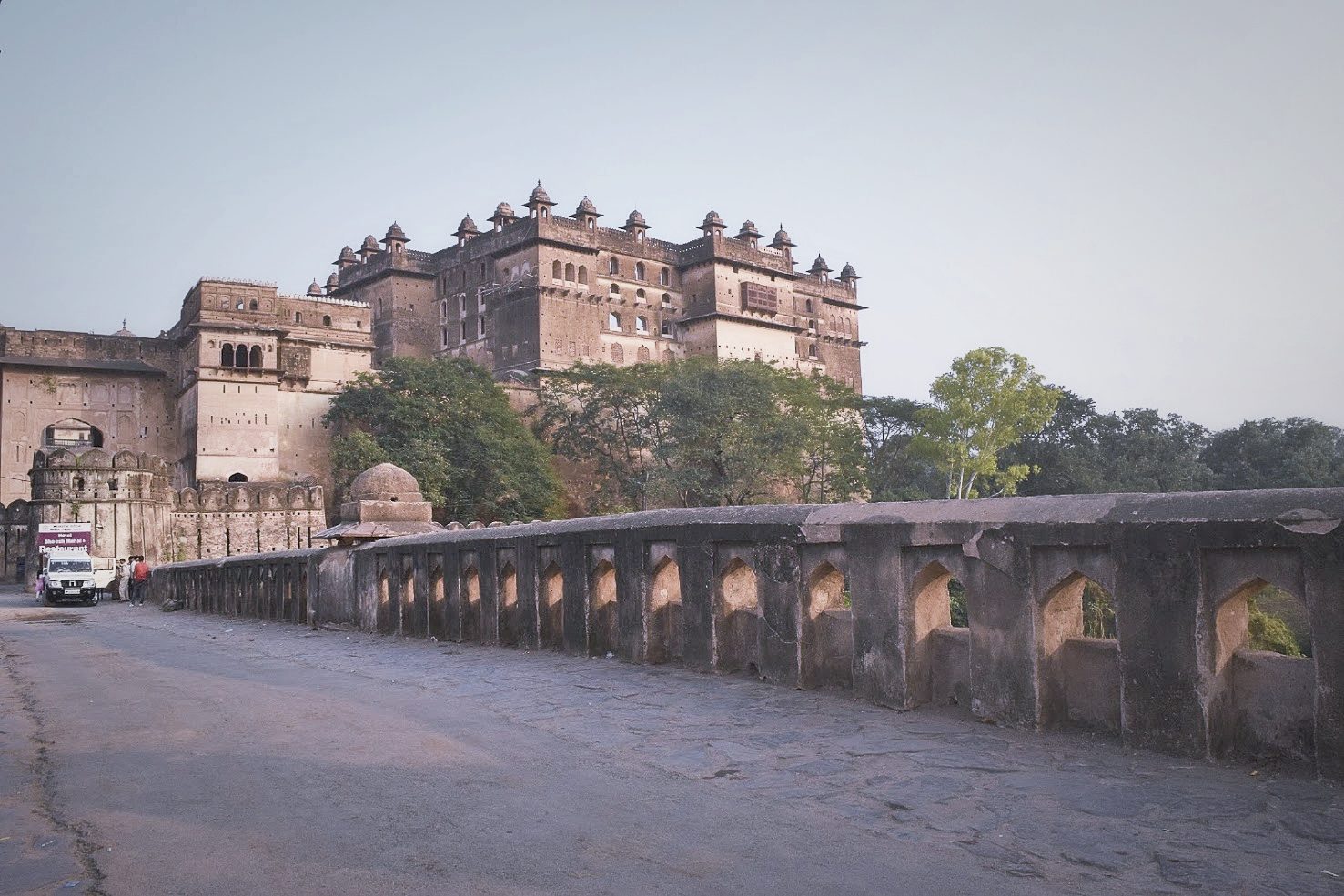
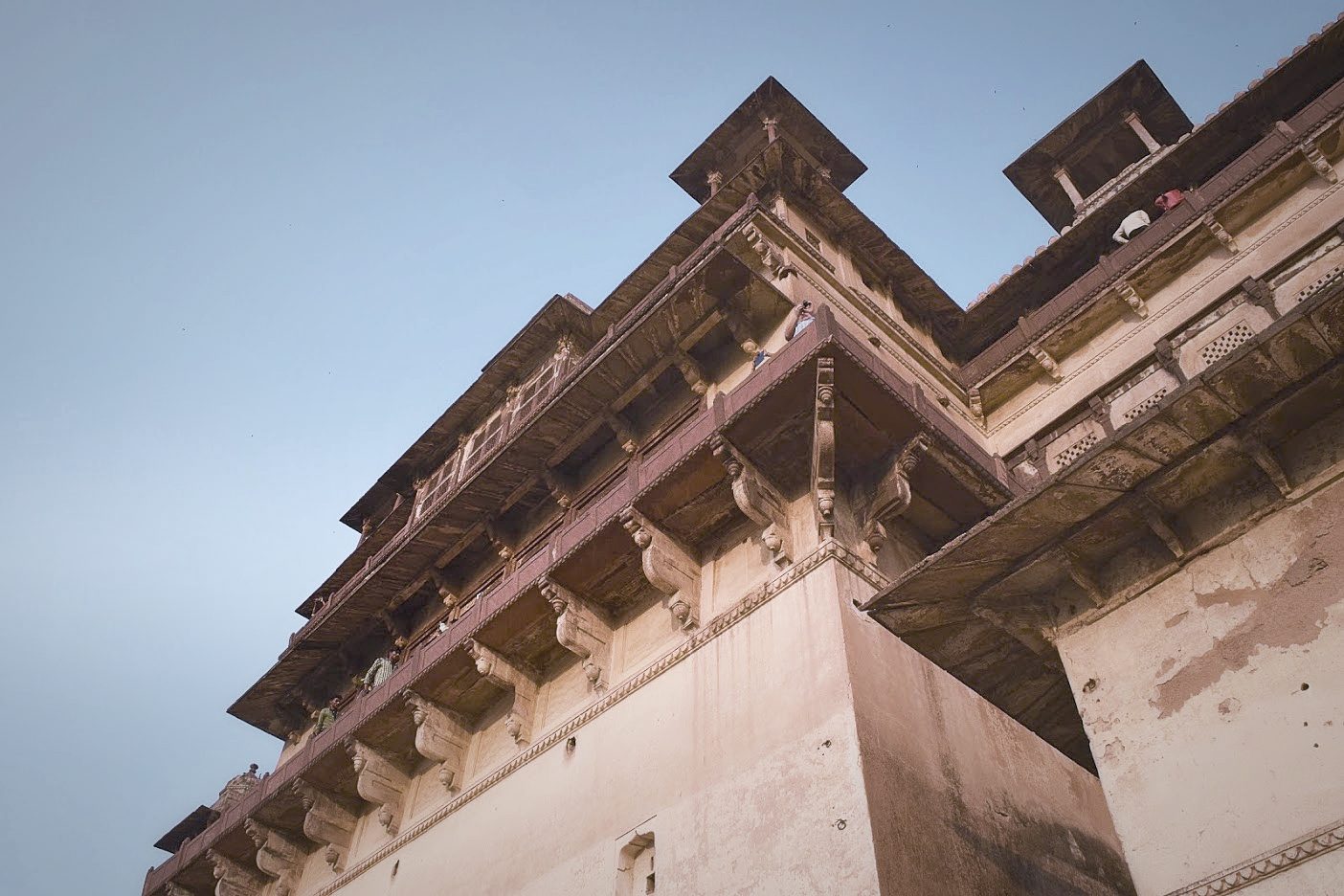
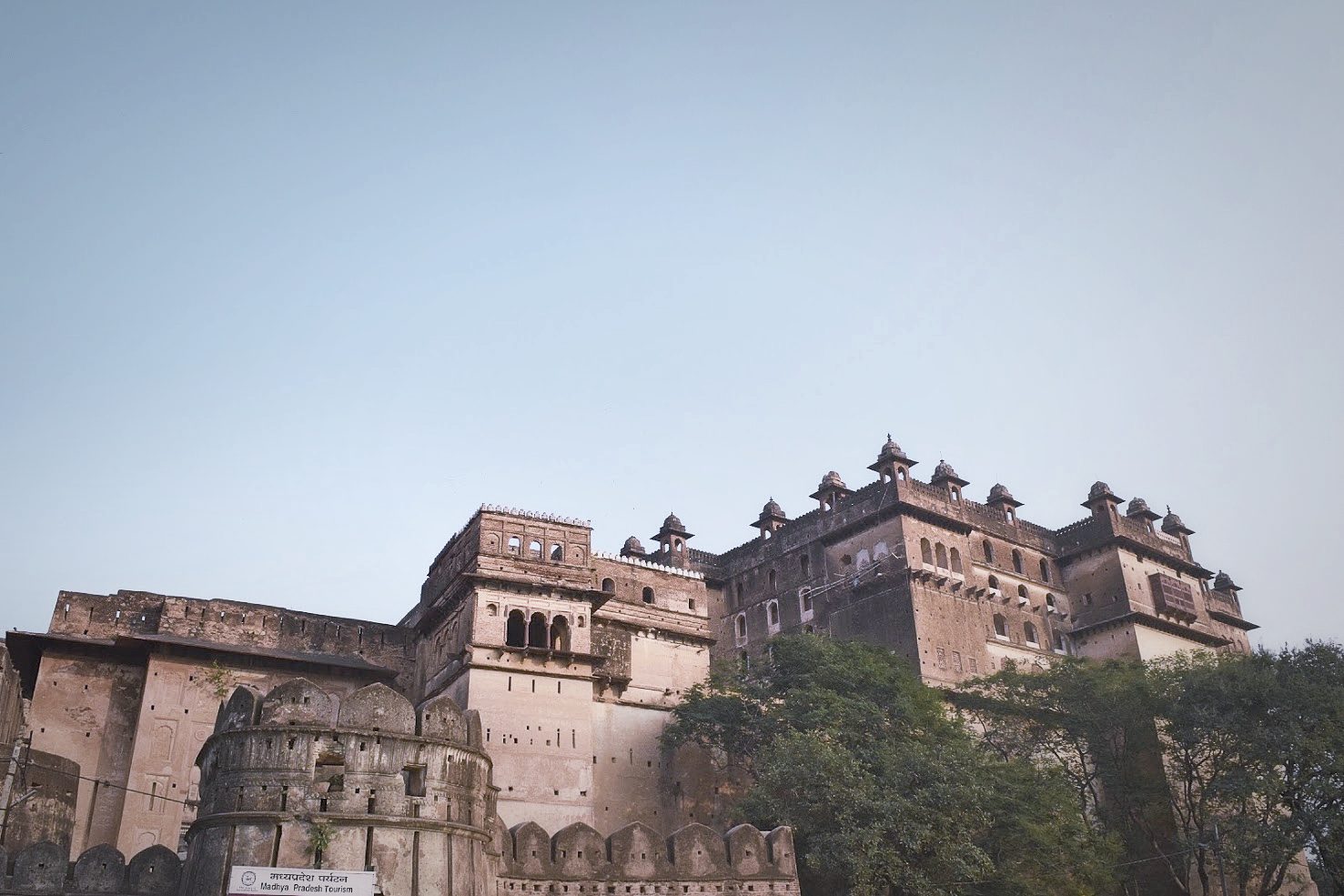
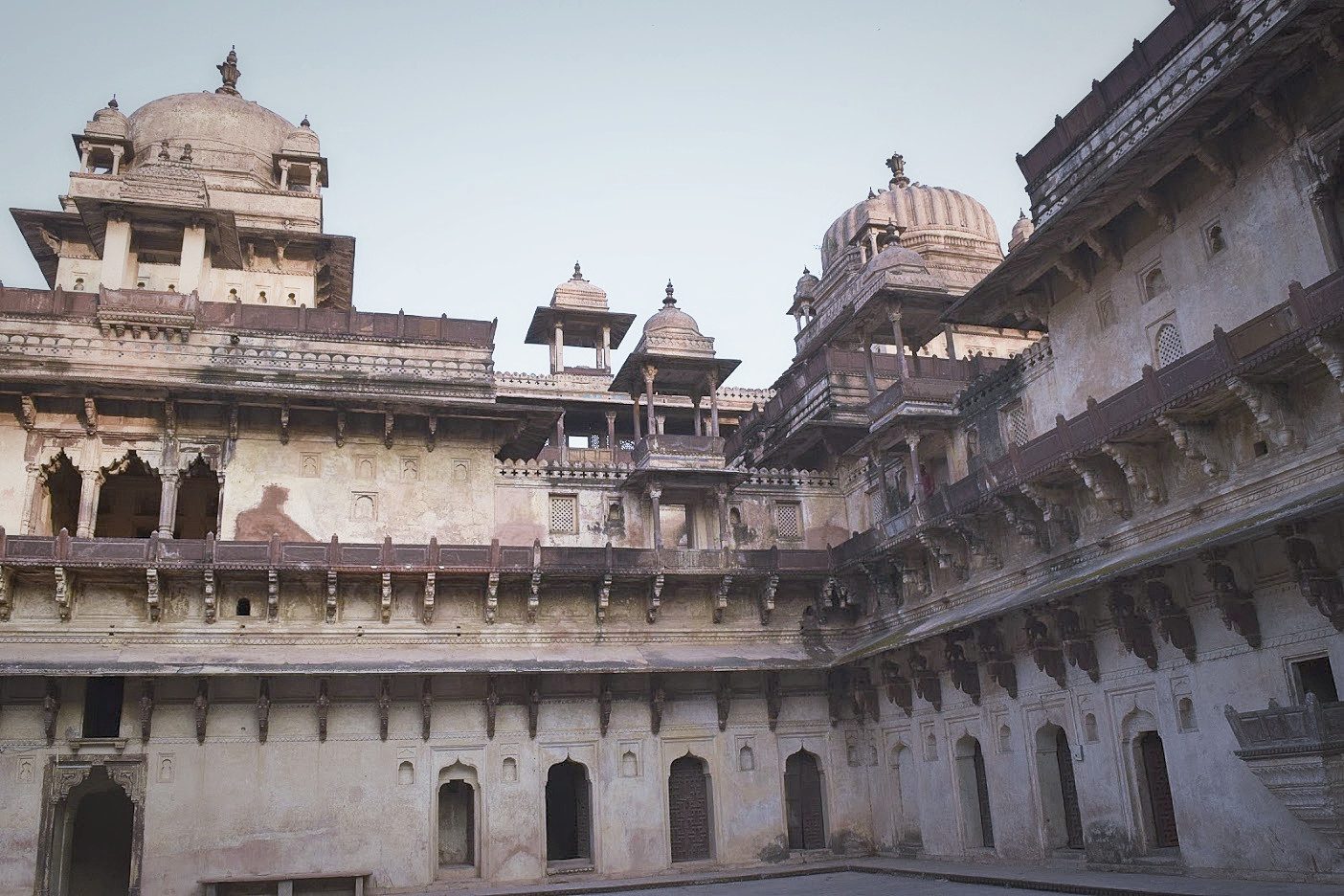
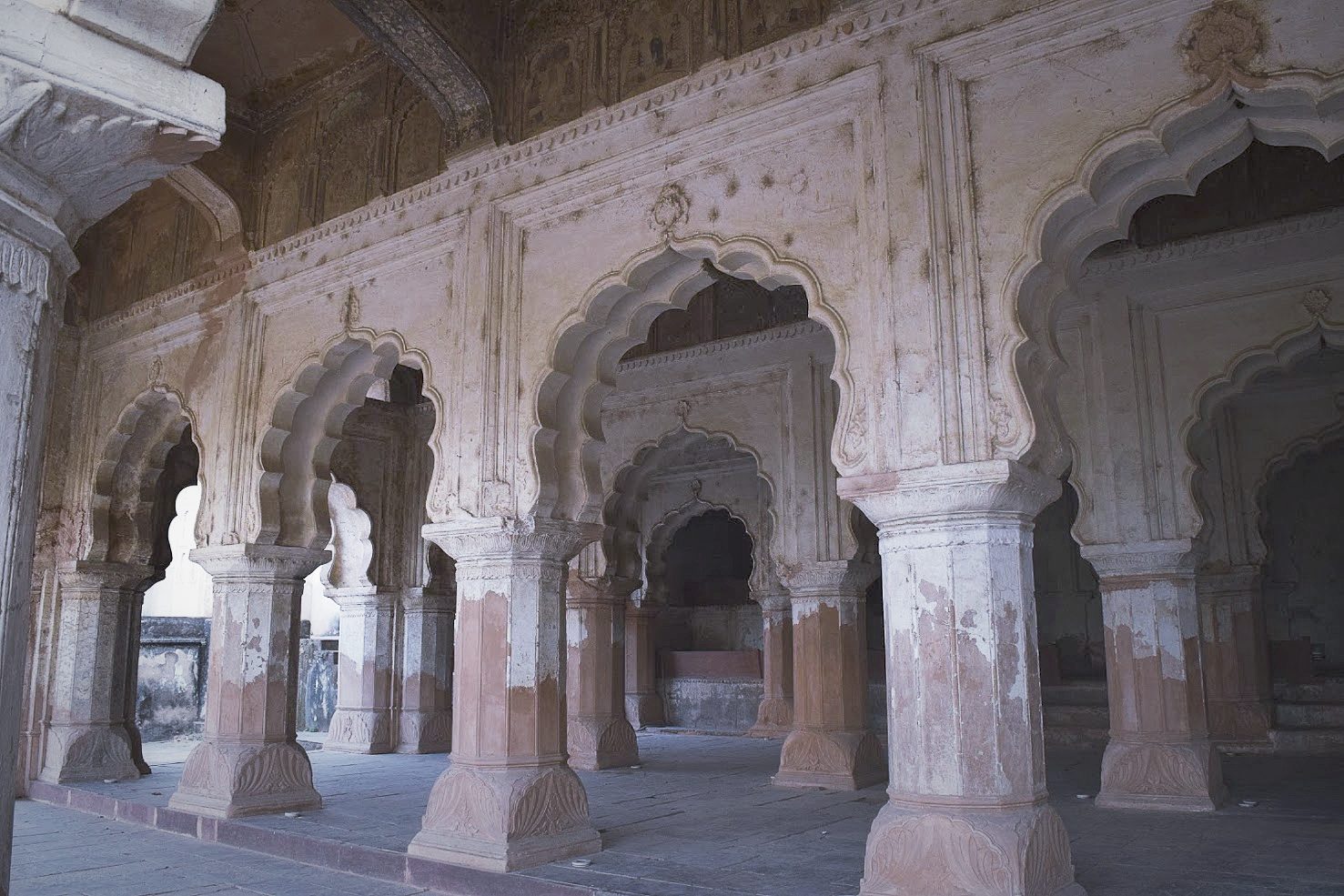
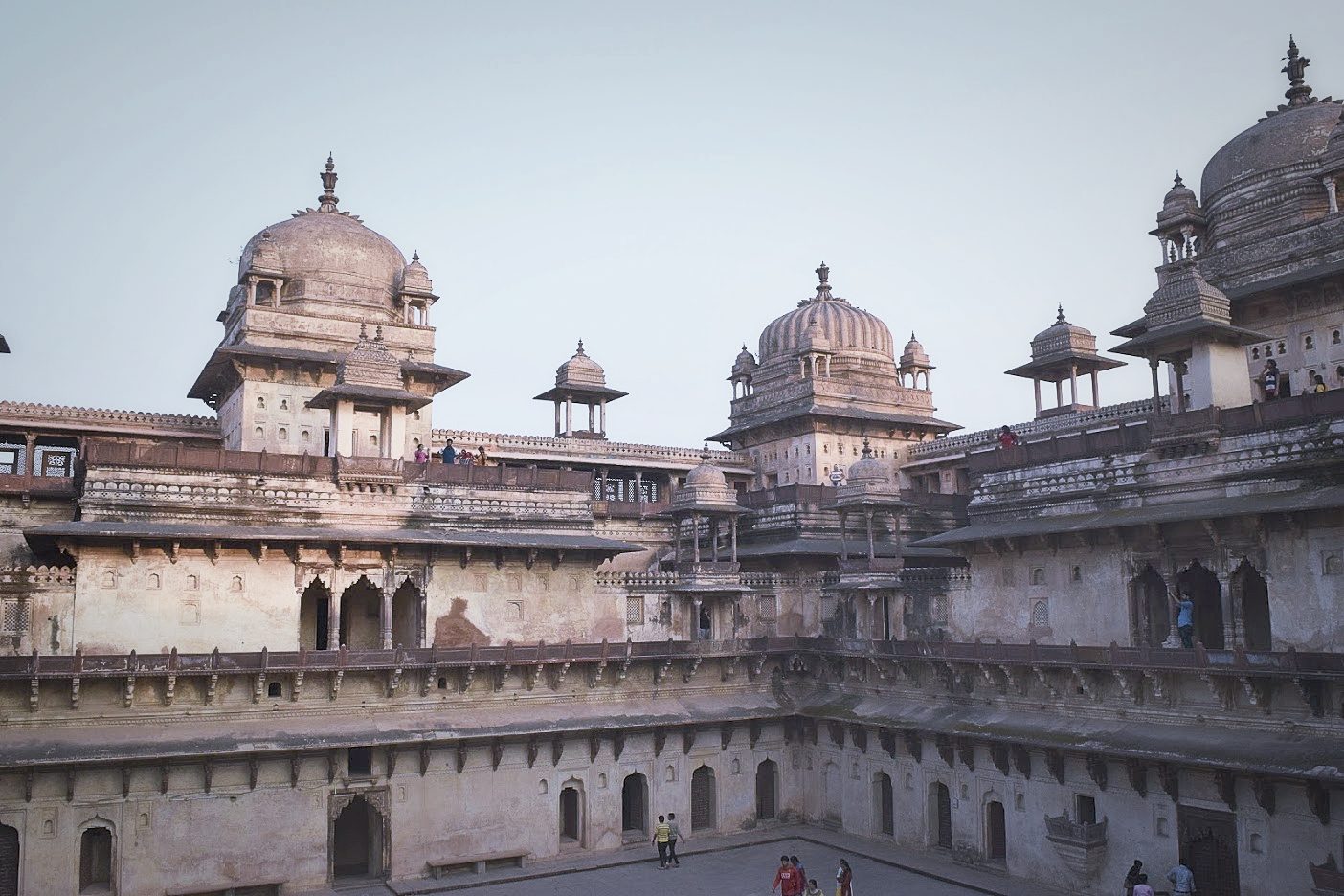
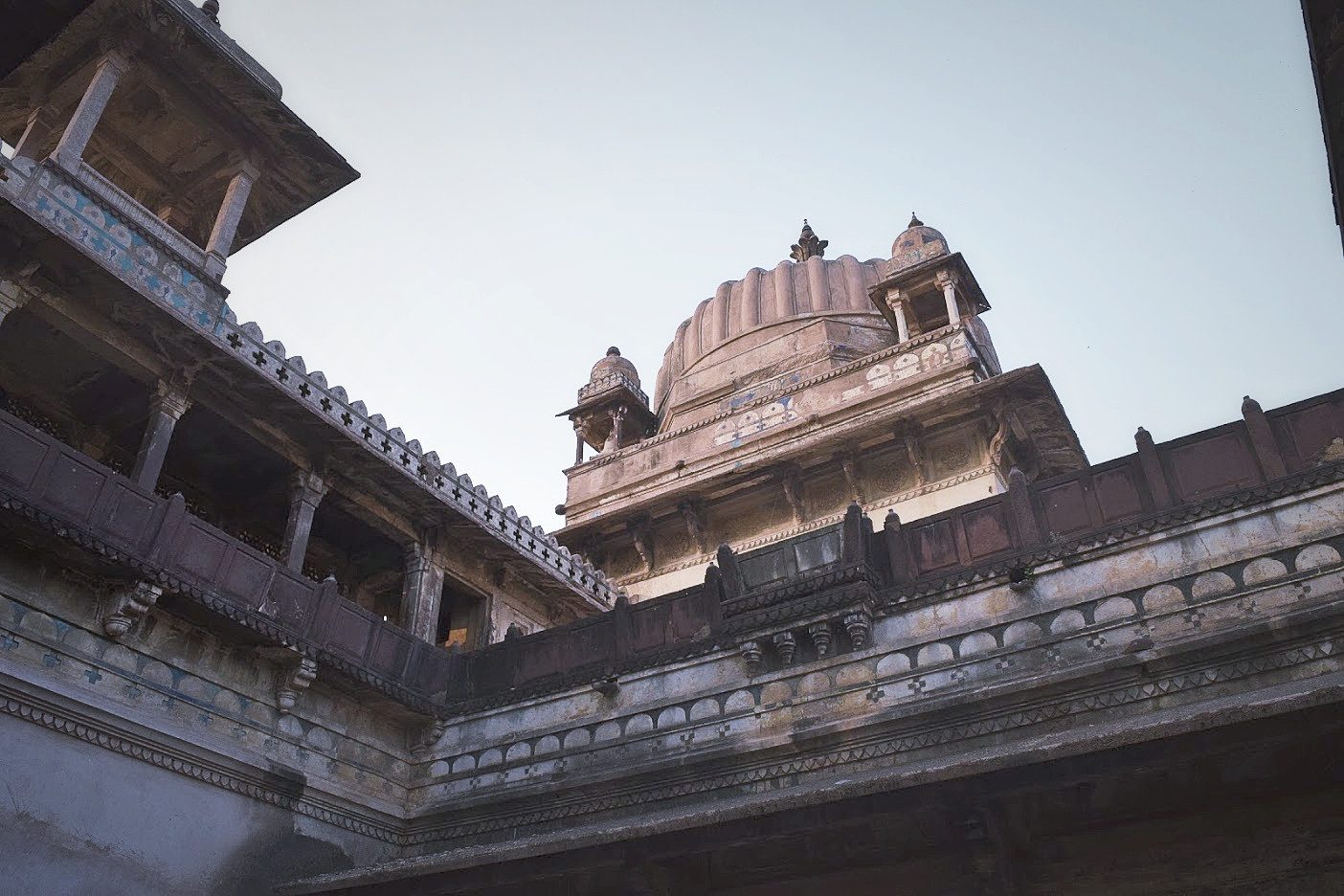
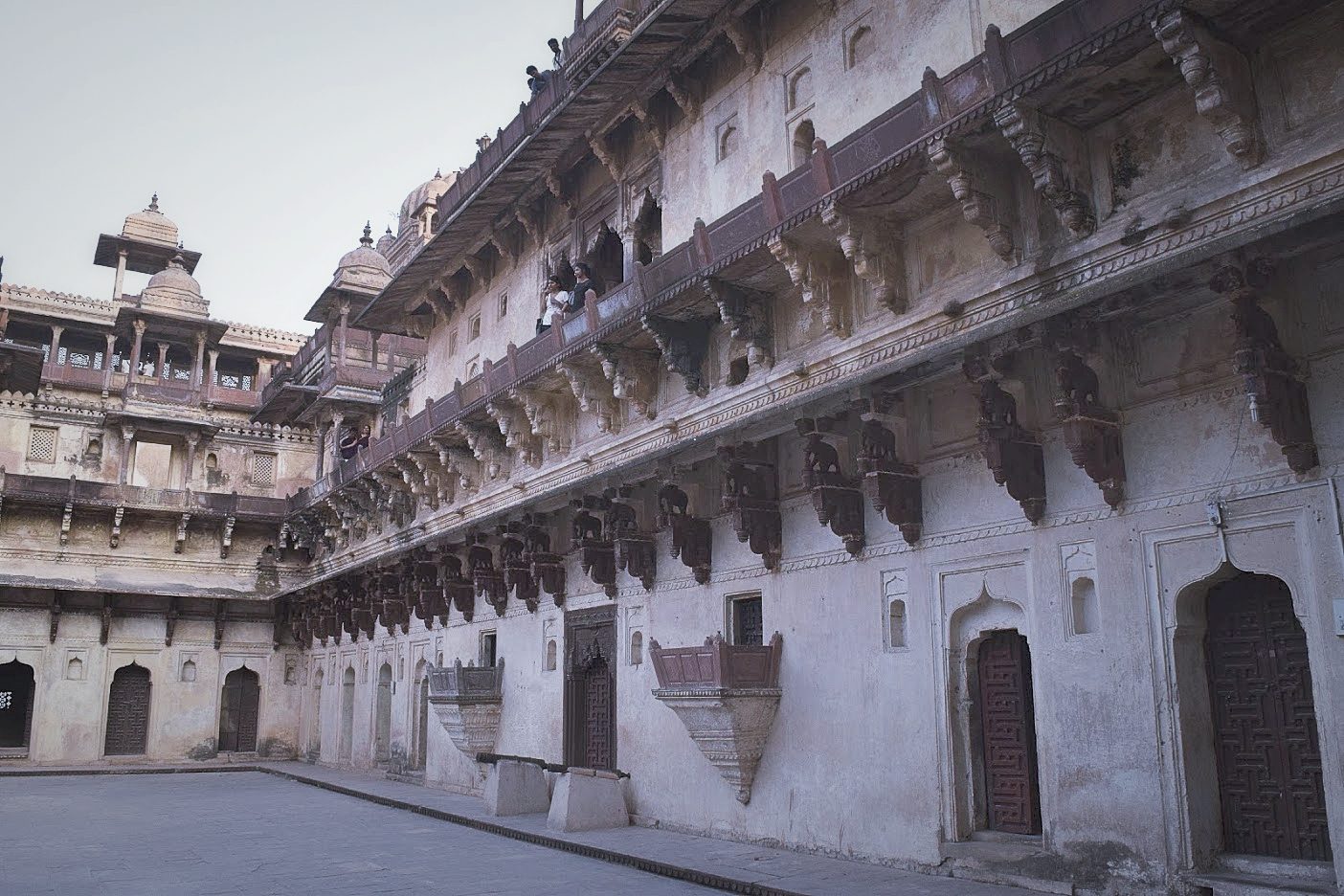
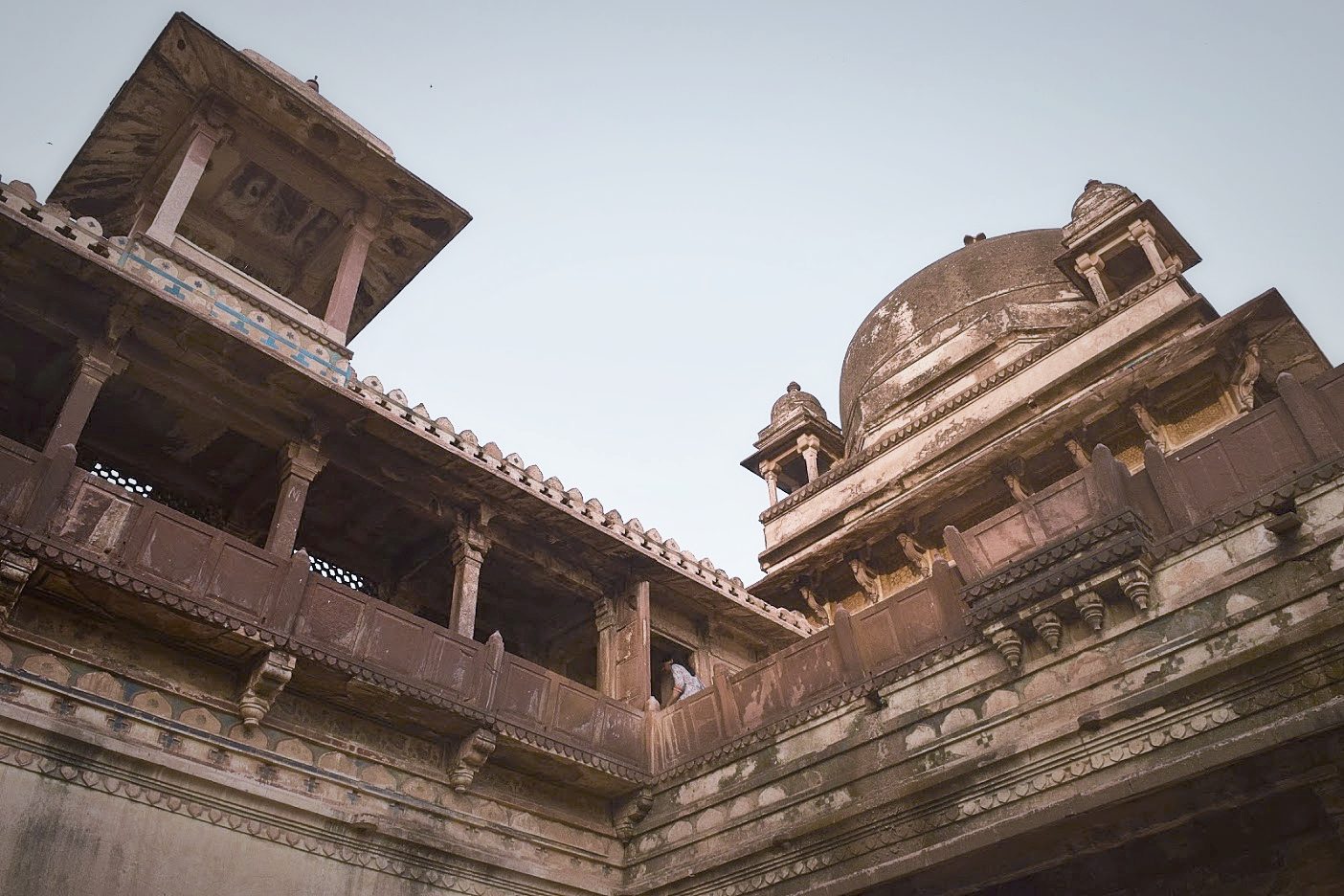
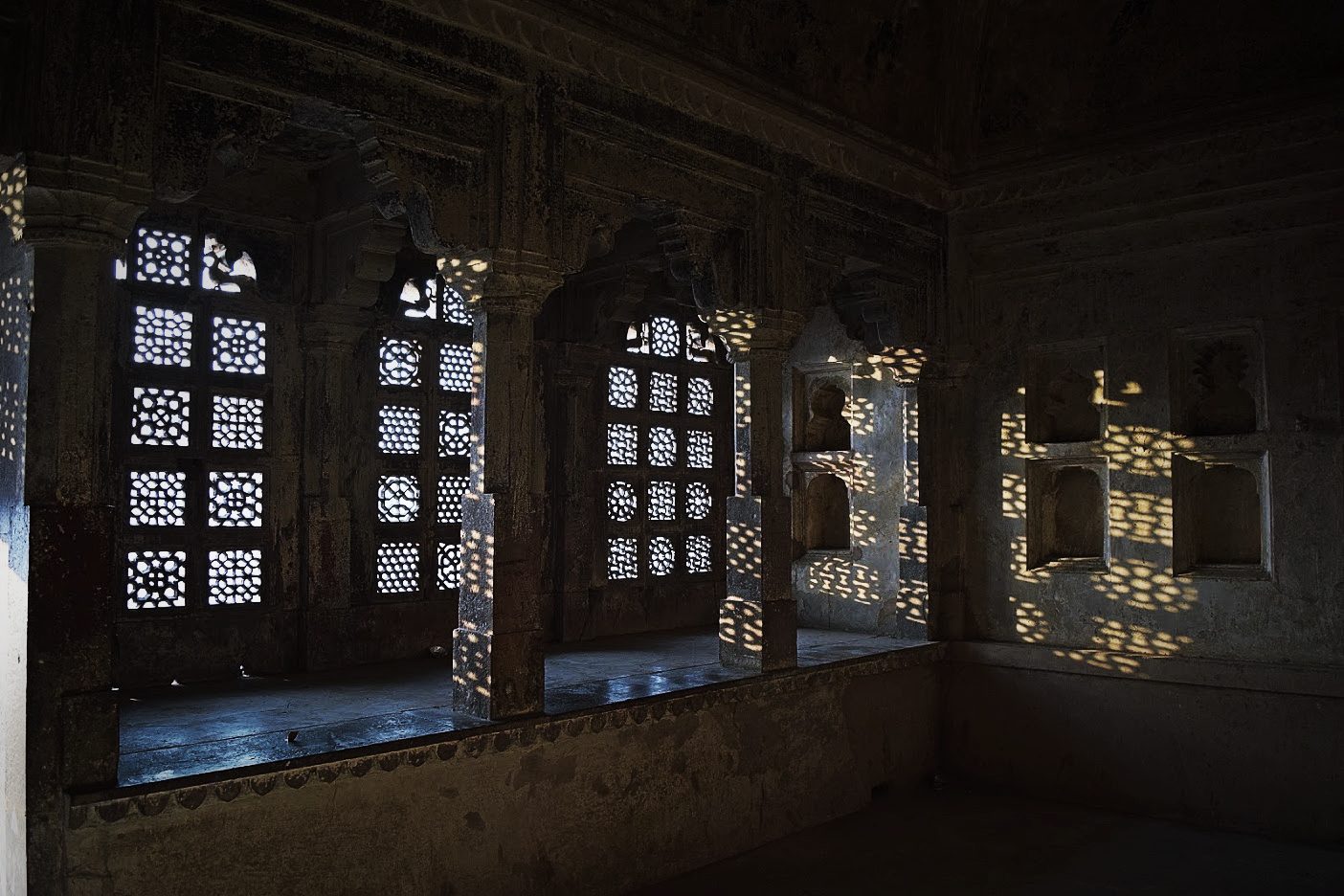
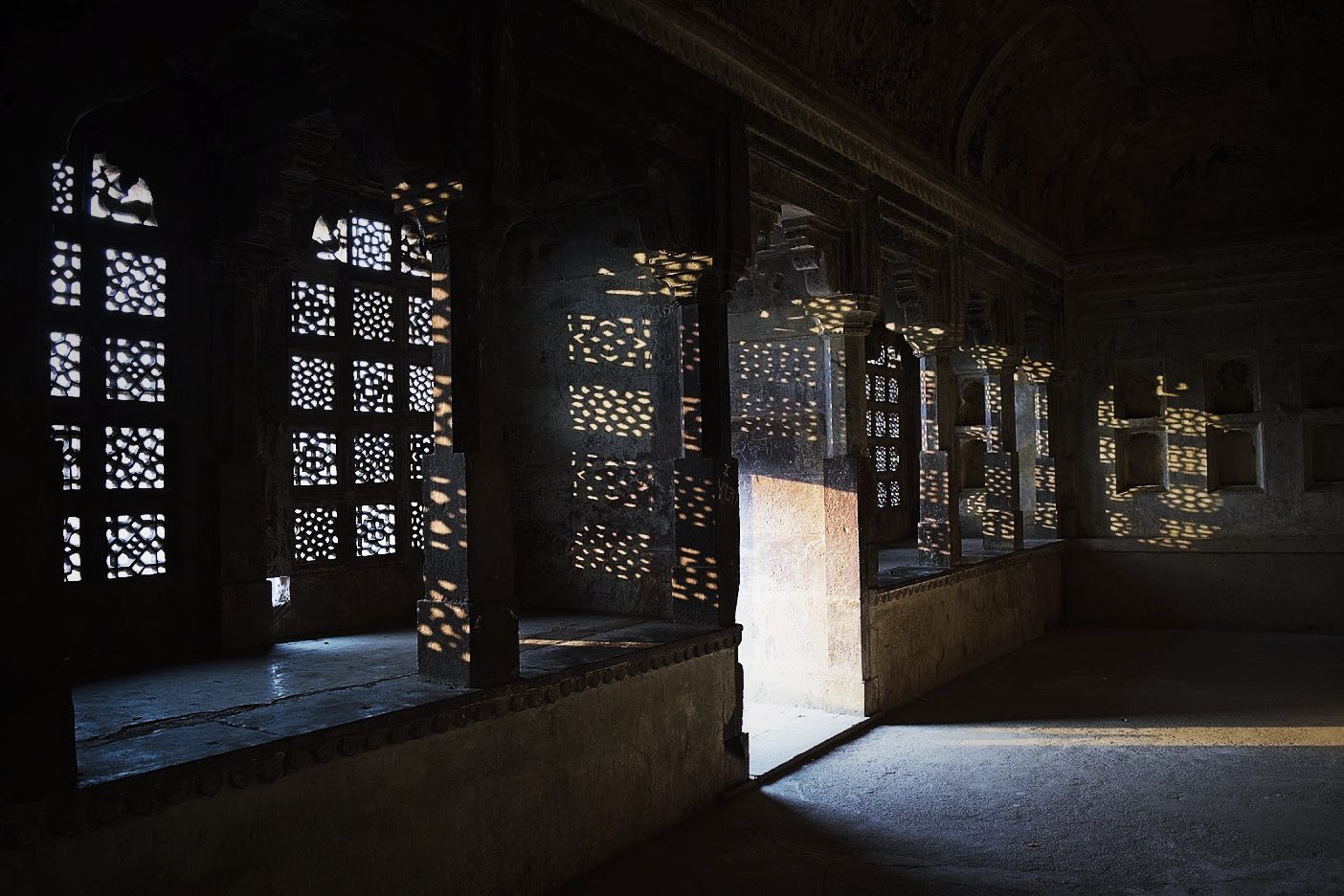
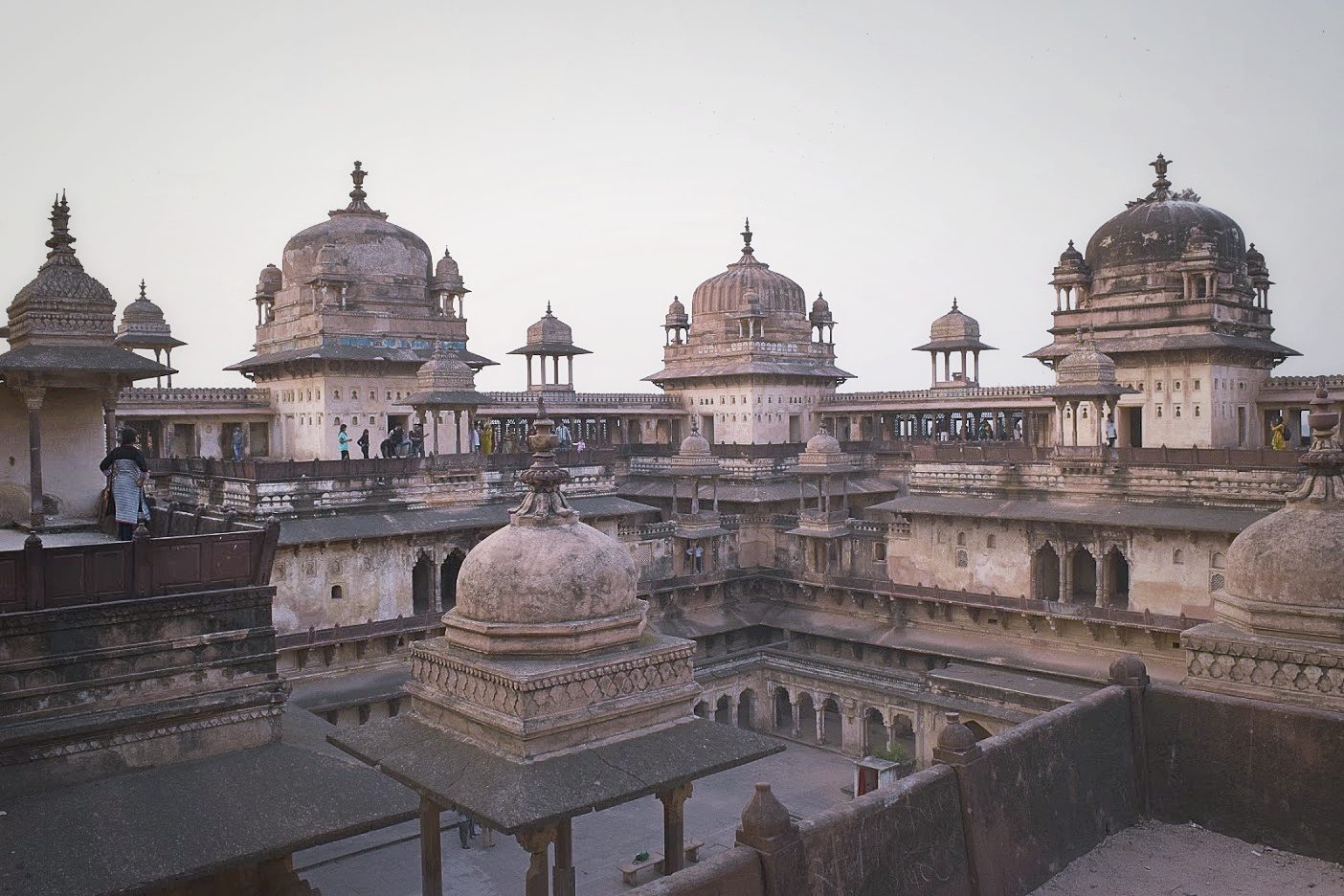
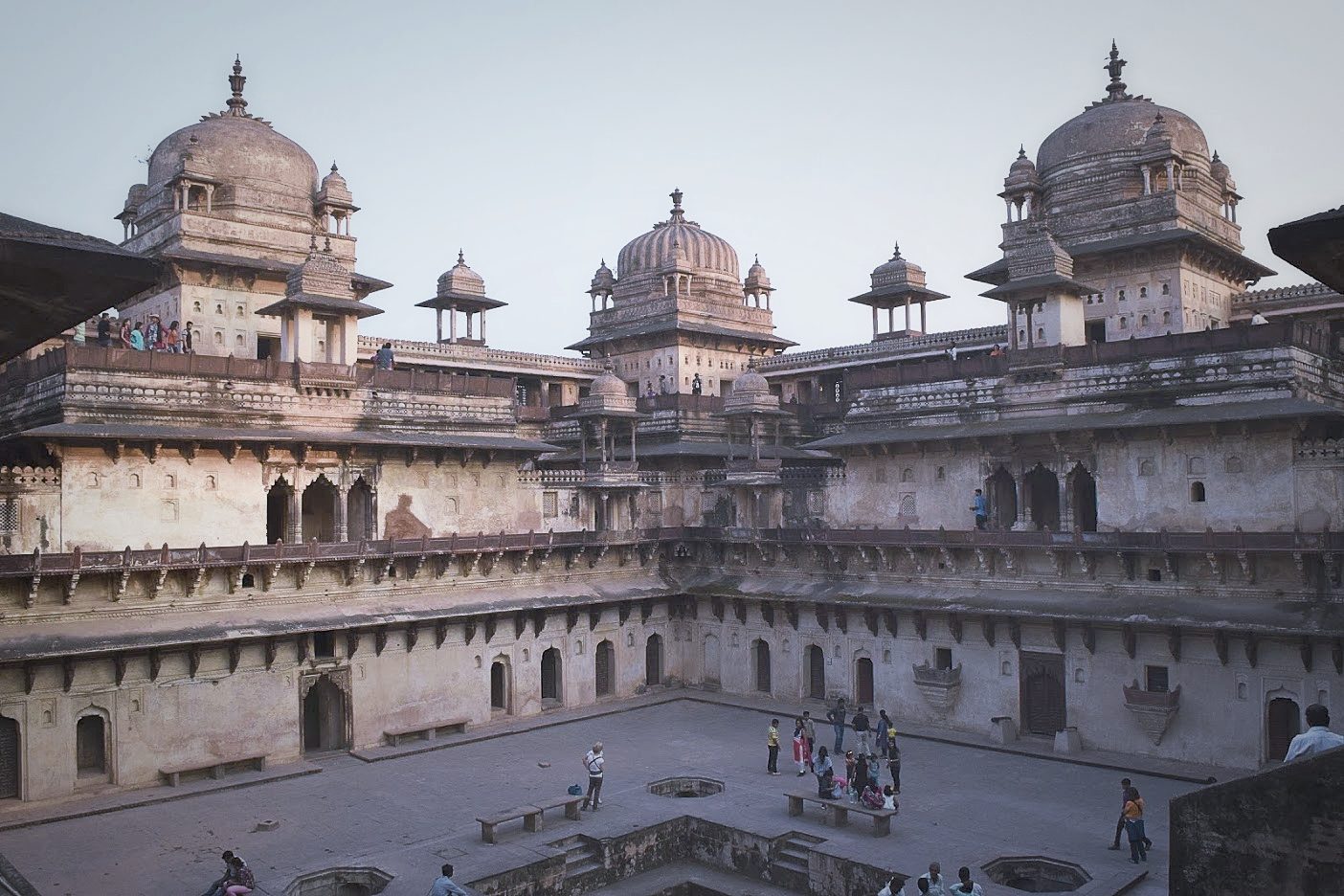
The Orchha Fort complex, contains a wide array of different monuments including the fort, palaces, temples and other edifices. It has the Raja Mahal, Sheesh Mahal and the Jahangir Mahal (which is connected to the Mughal empire in weird ways). The architecture of this fort complex is similar to the one at Datia.
Lucknow
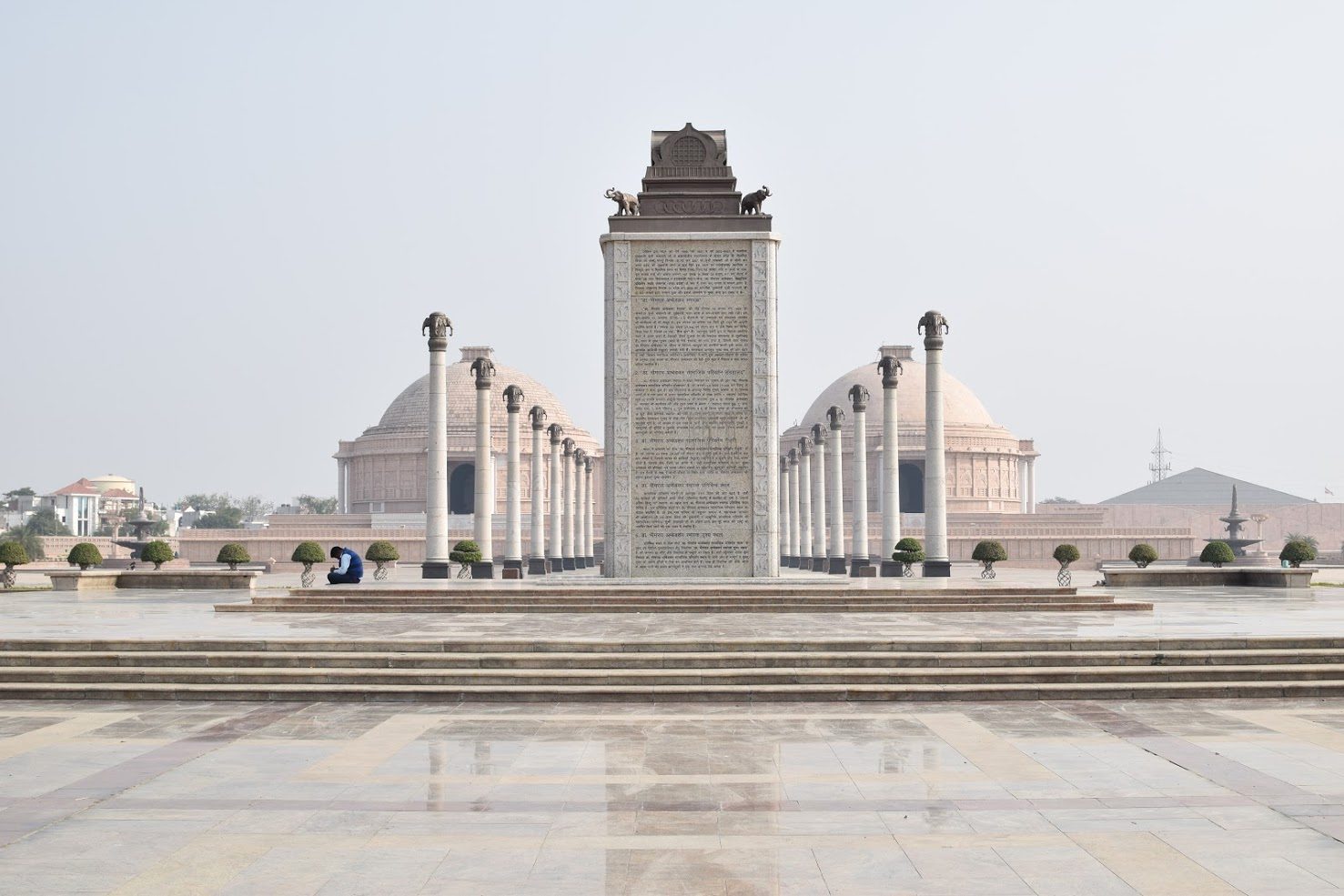
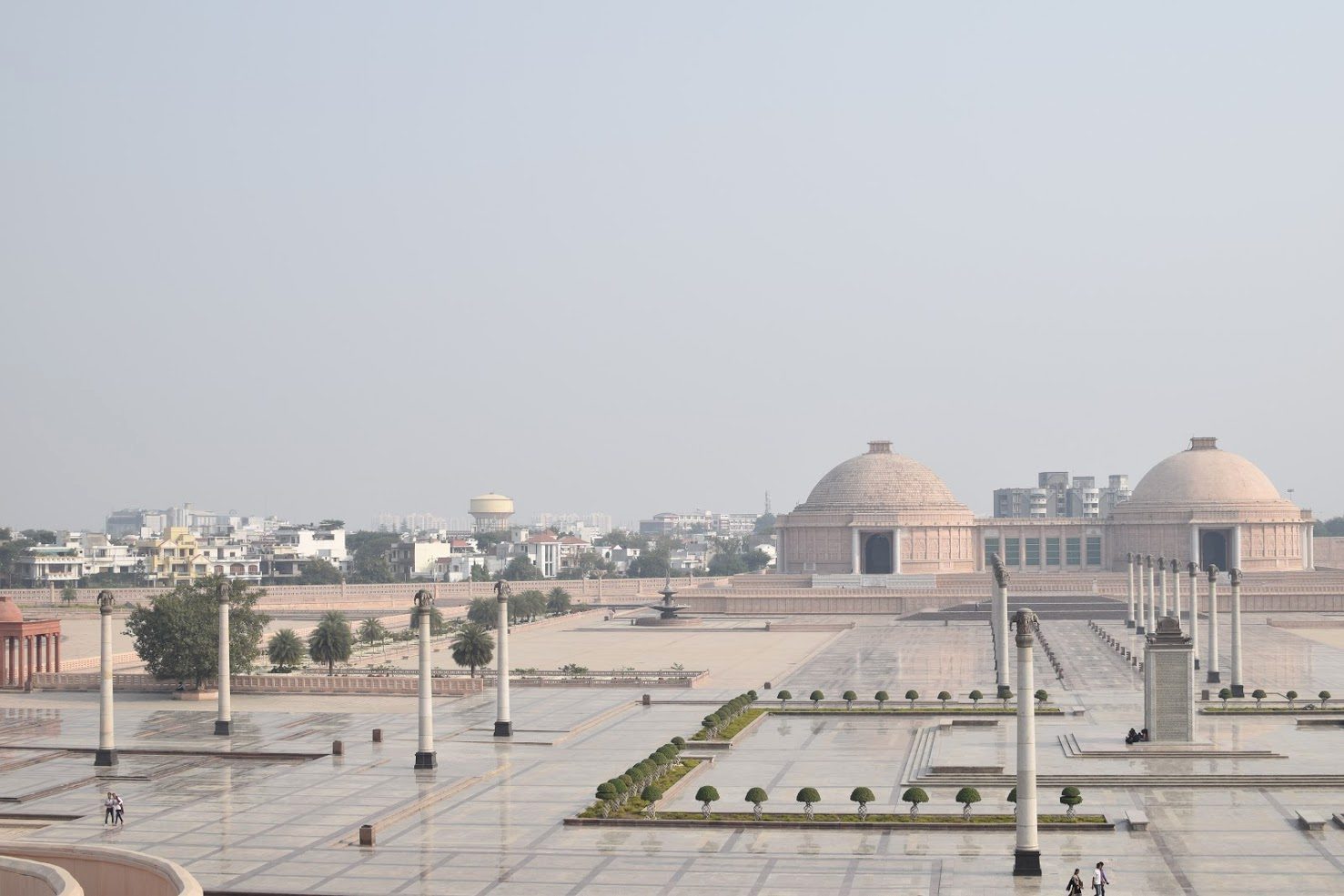
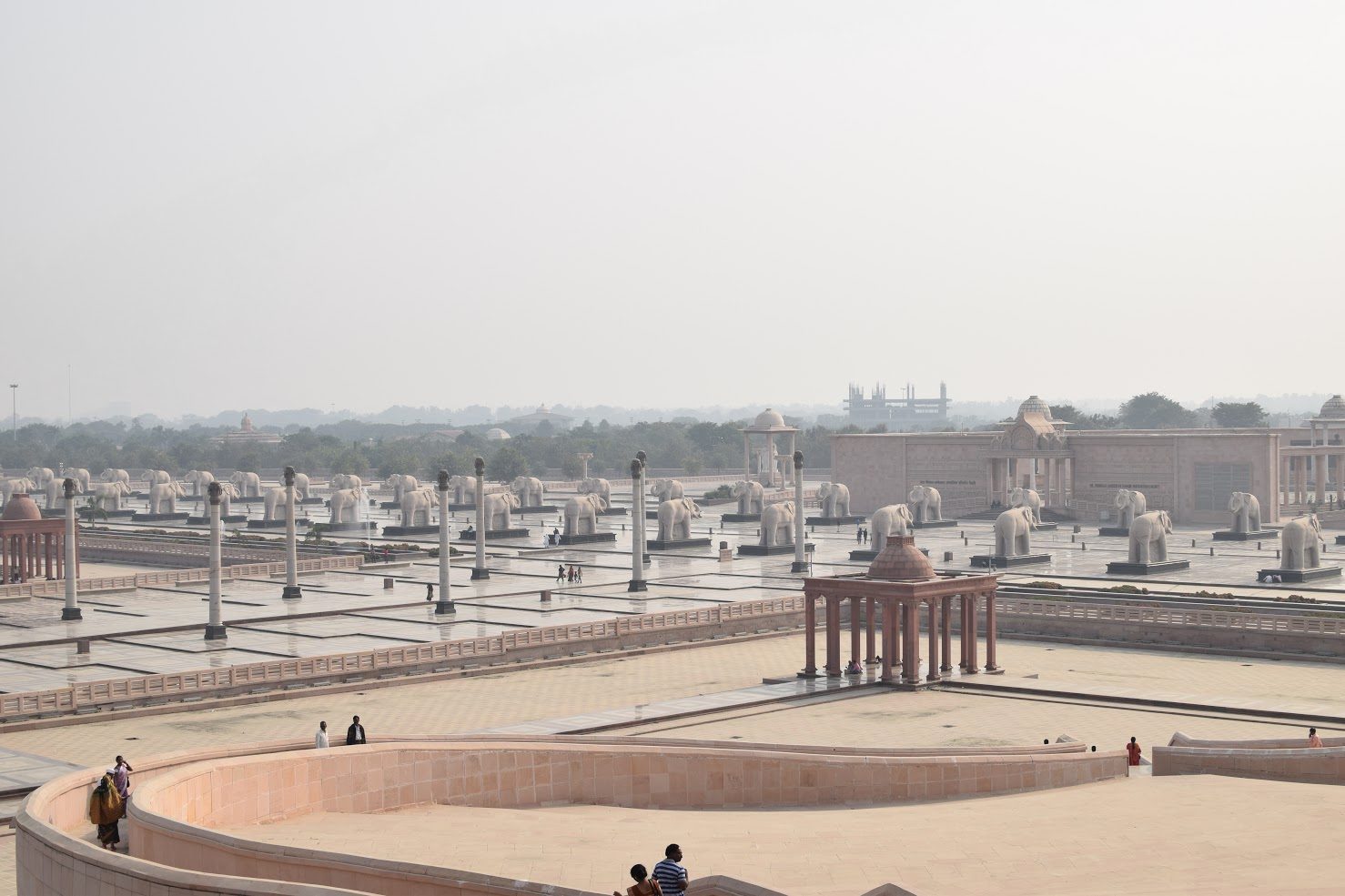
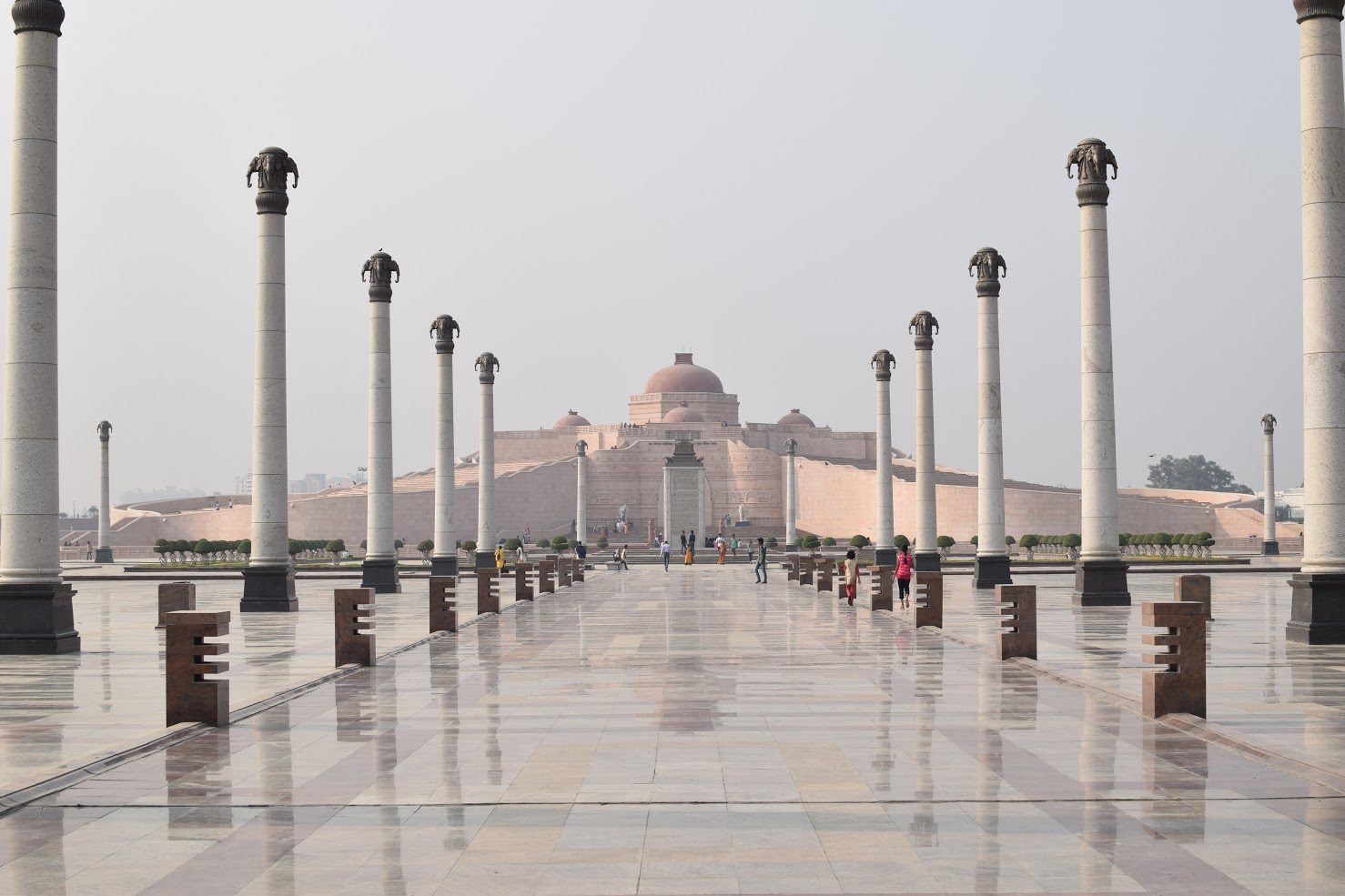
These photos were taken during my first and only time at Lucknow. We stayed there only for a day and had a quick architectural trip to the Roomi Darwaza, Bara Imambara and the Ambedkar Memorial Park. The food at Lucknow was something out of the world, especially Tunde ke kabab.
Rumi Darwaza
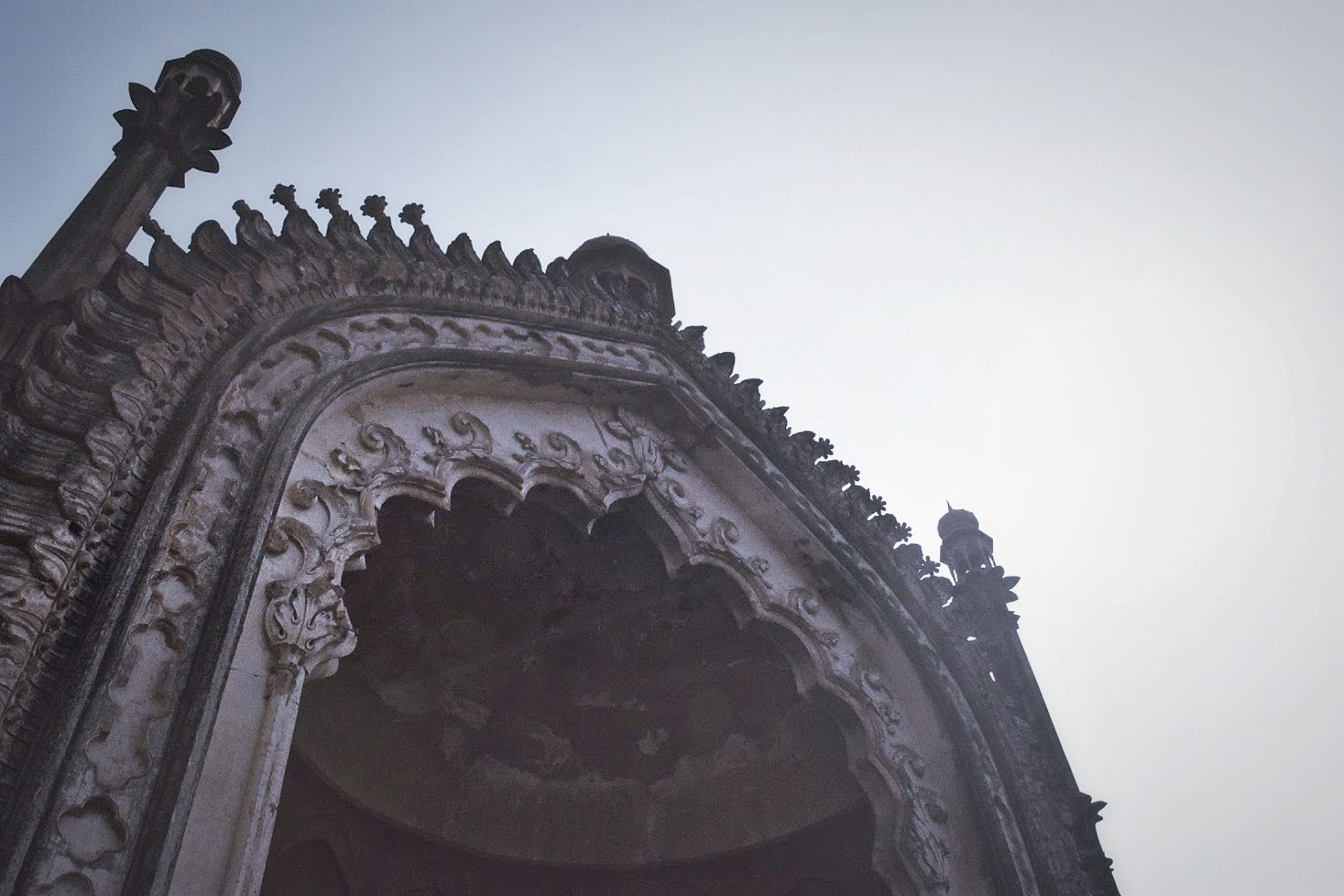
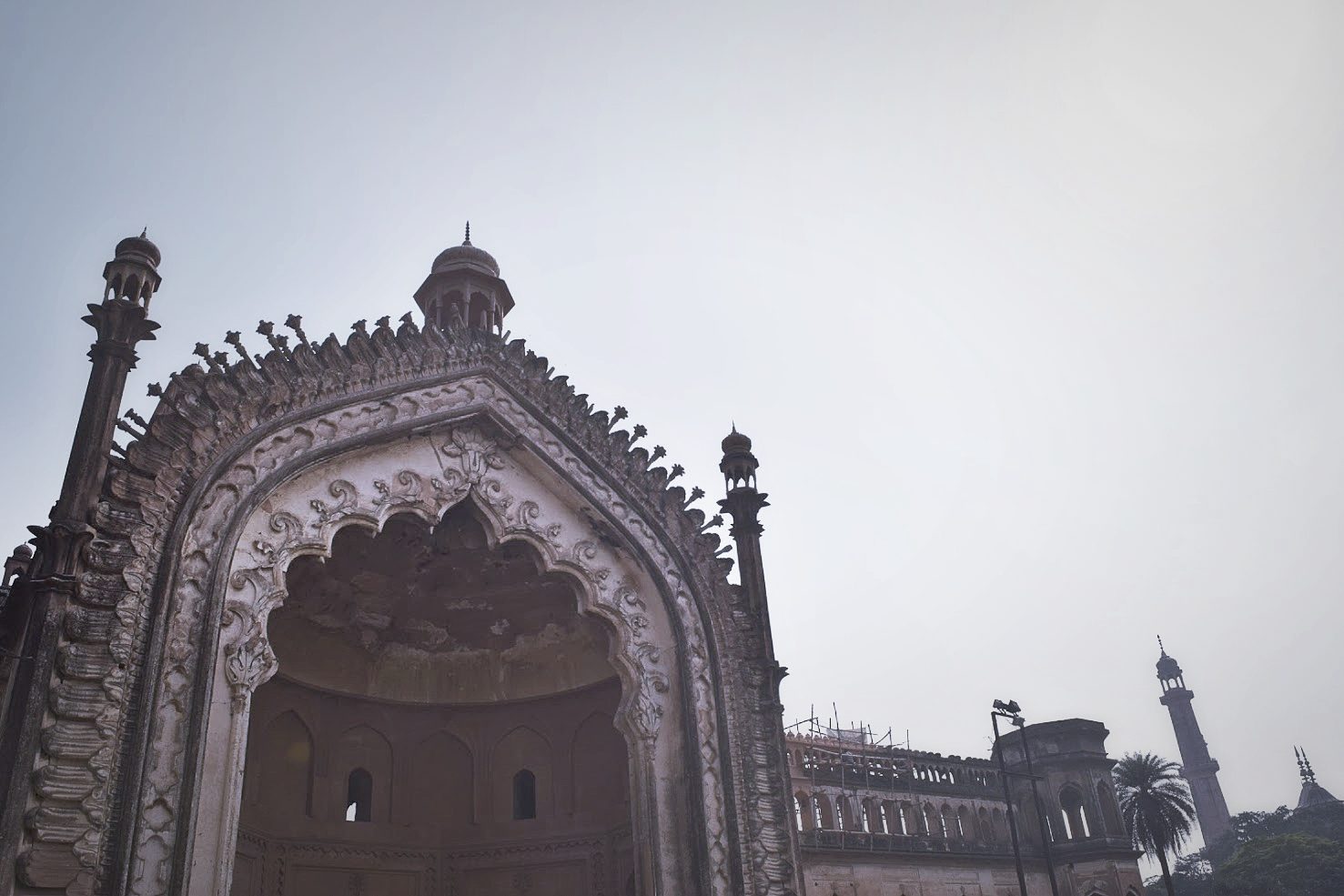
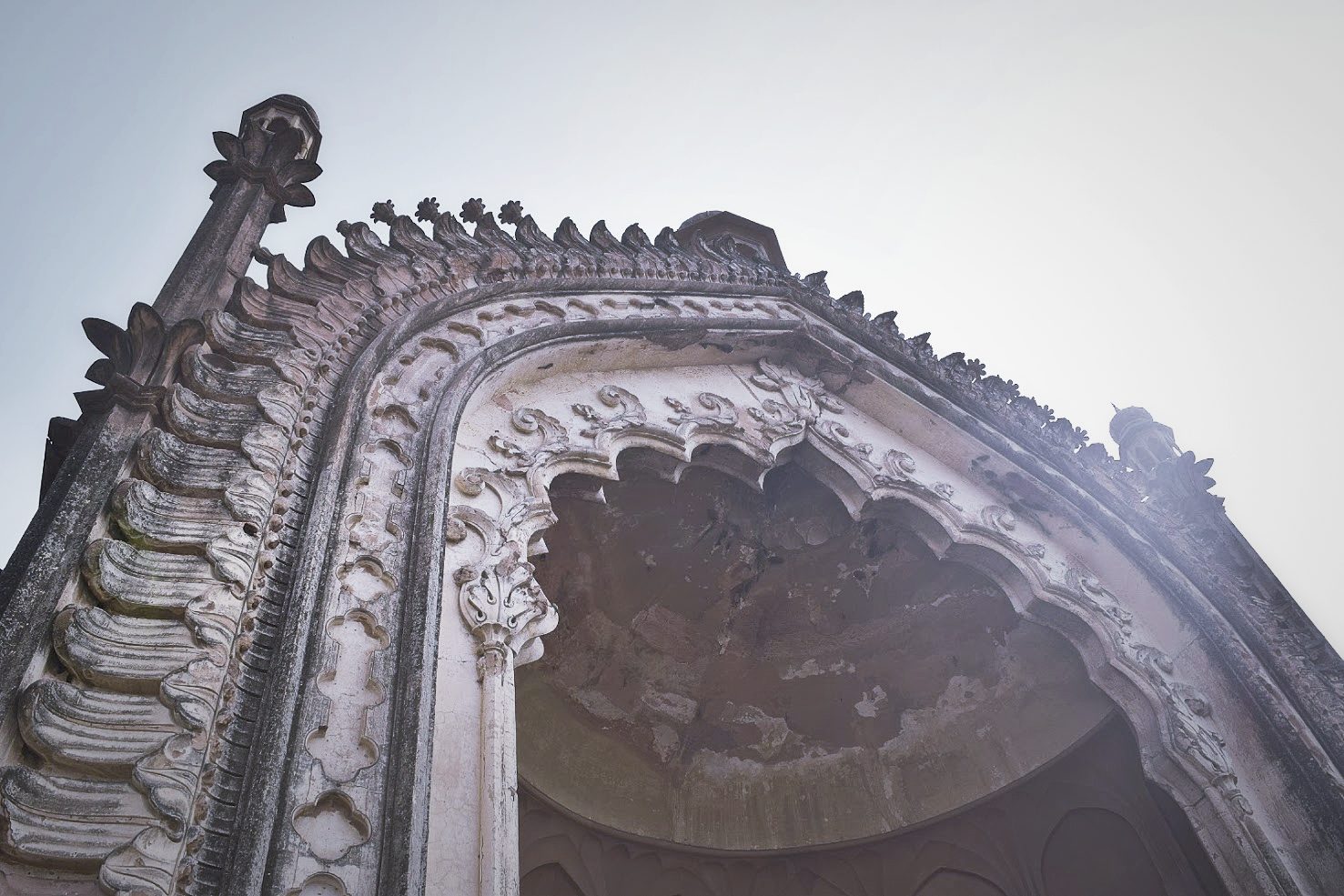
The Rumi Darwaza is an imposing gateway and acts like a gateway to the city. It was built under the patronage of Nawab Asaf-Ud-daula in 1784 and is an example of Awadhi architecture. I’ve seen a lot of gateways in India and This is stands out mainly because of how it is proportioned. It feels like it was scaled to a larger size maintaining the same proportions of a smaller gateway. It’s 18m tall.
Bara Imambara
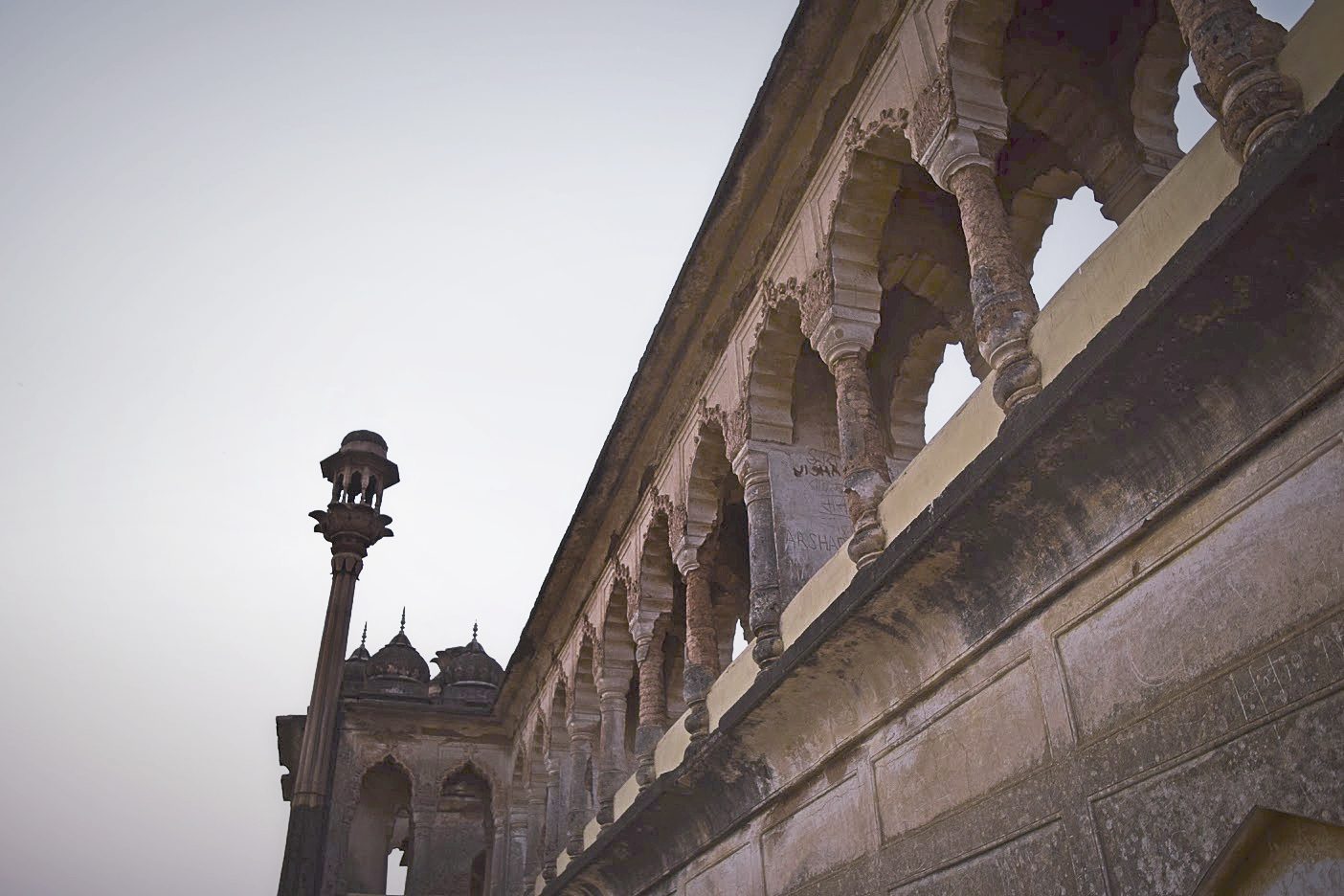
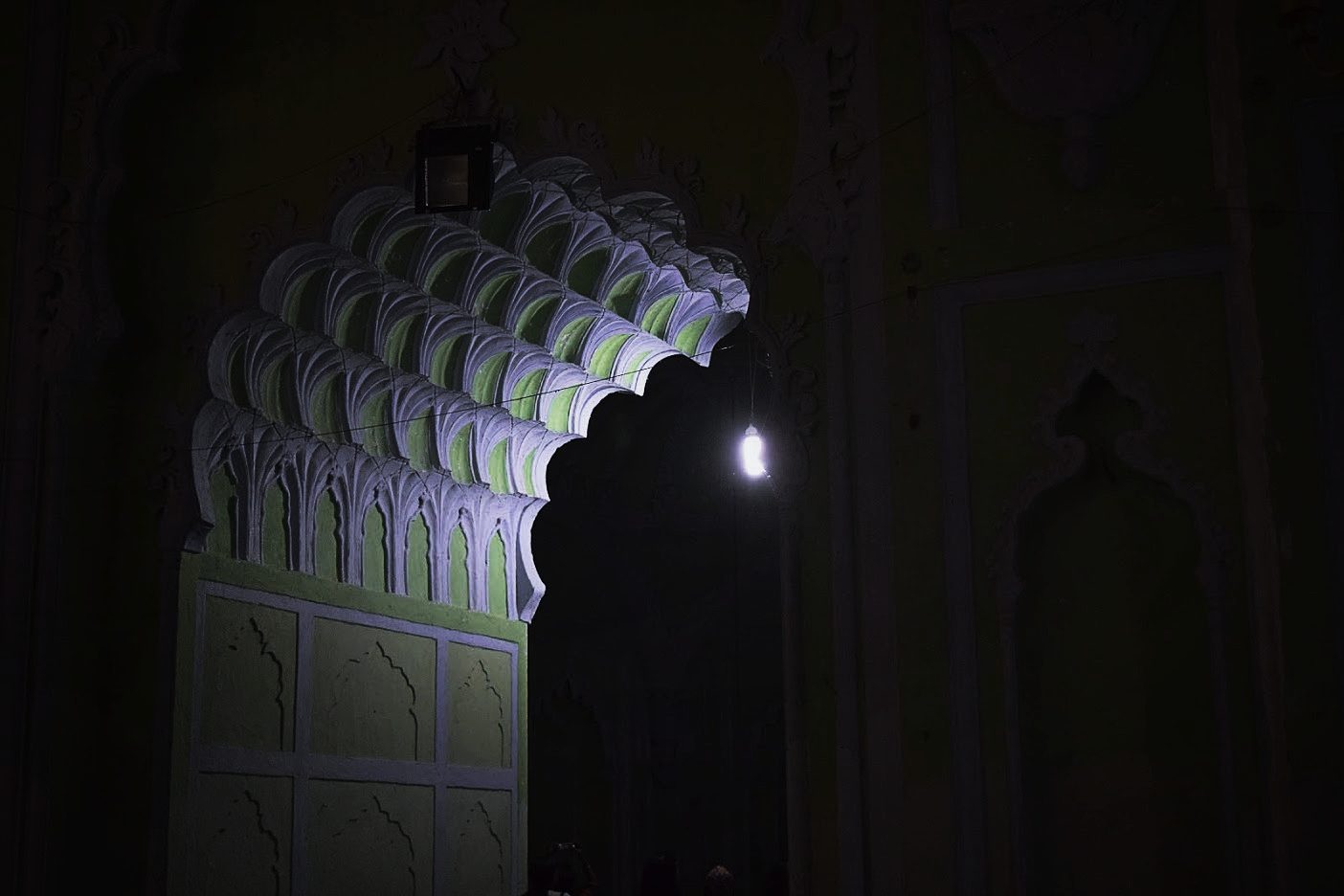
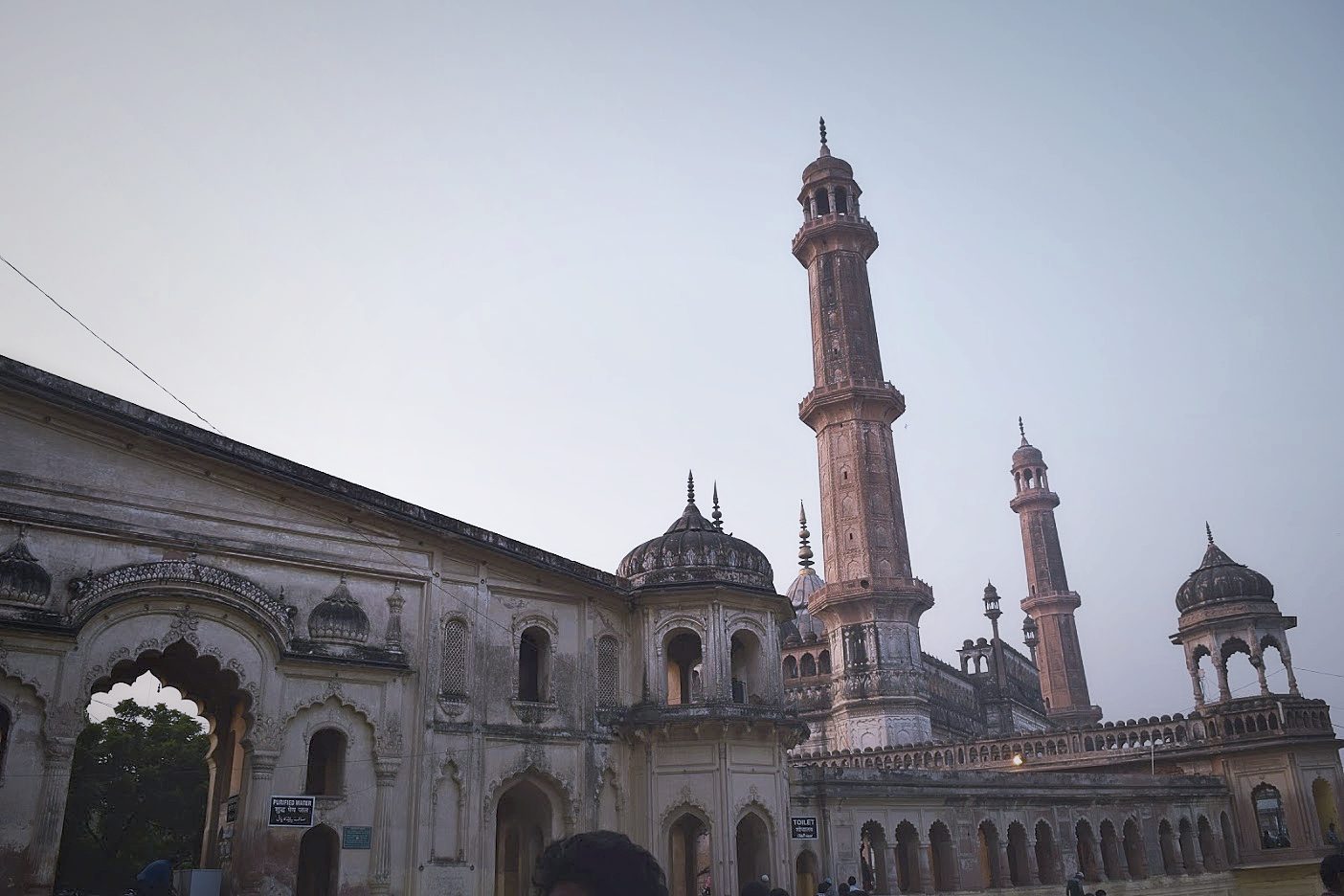
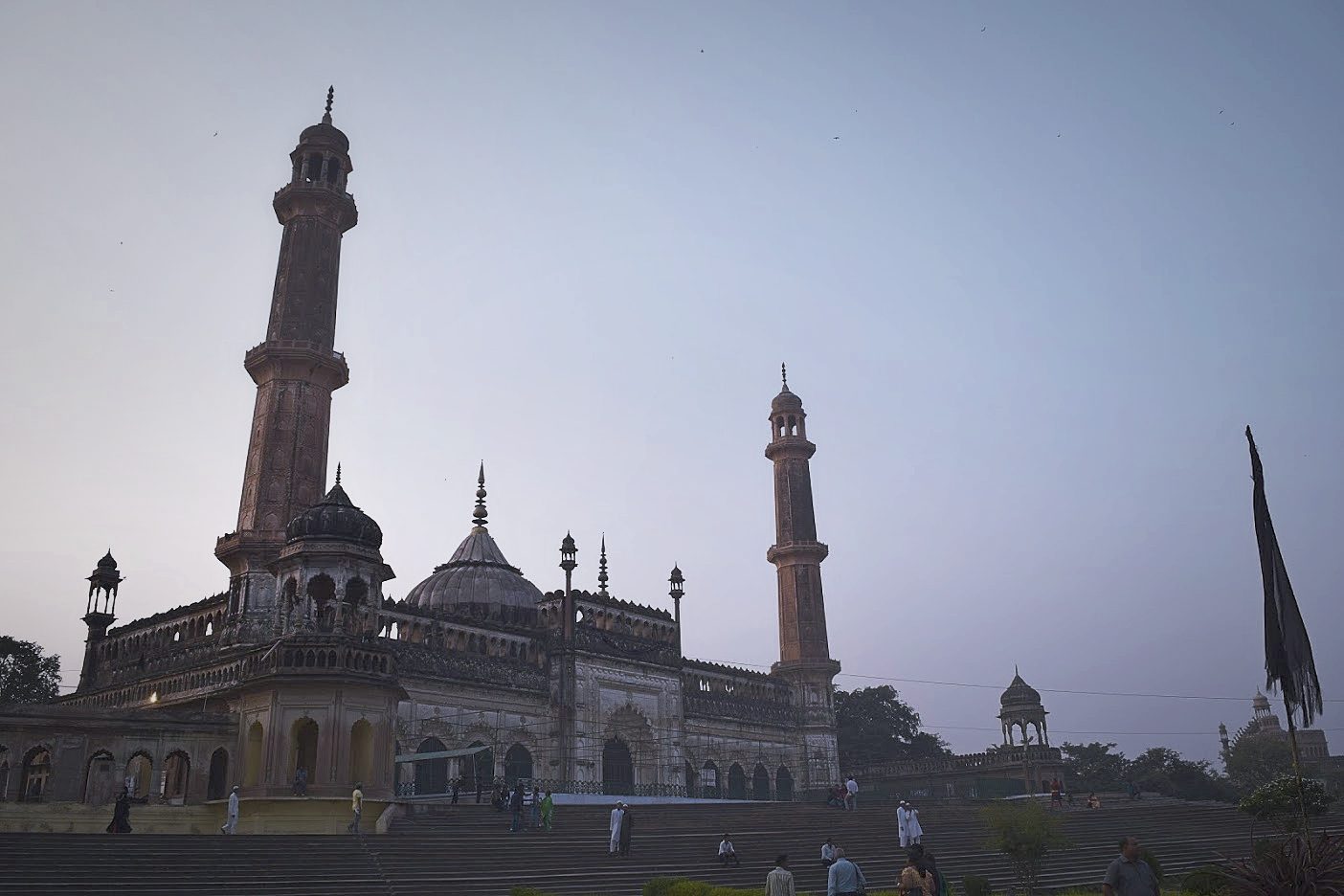
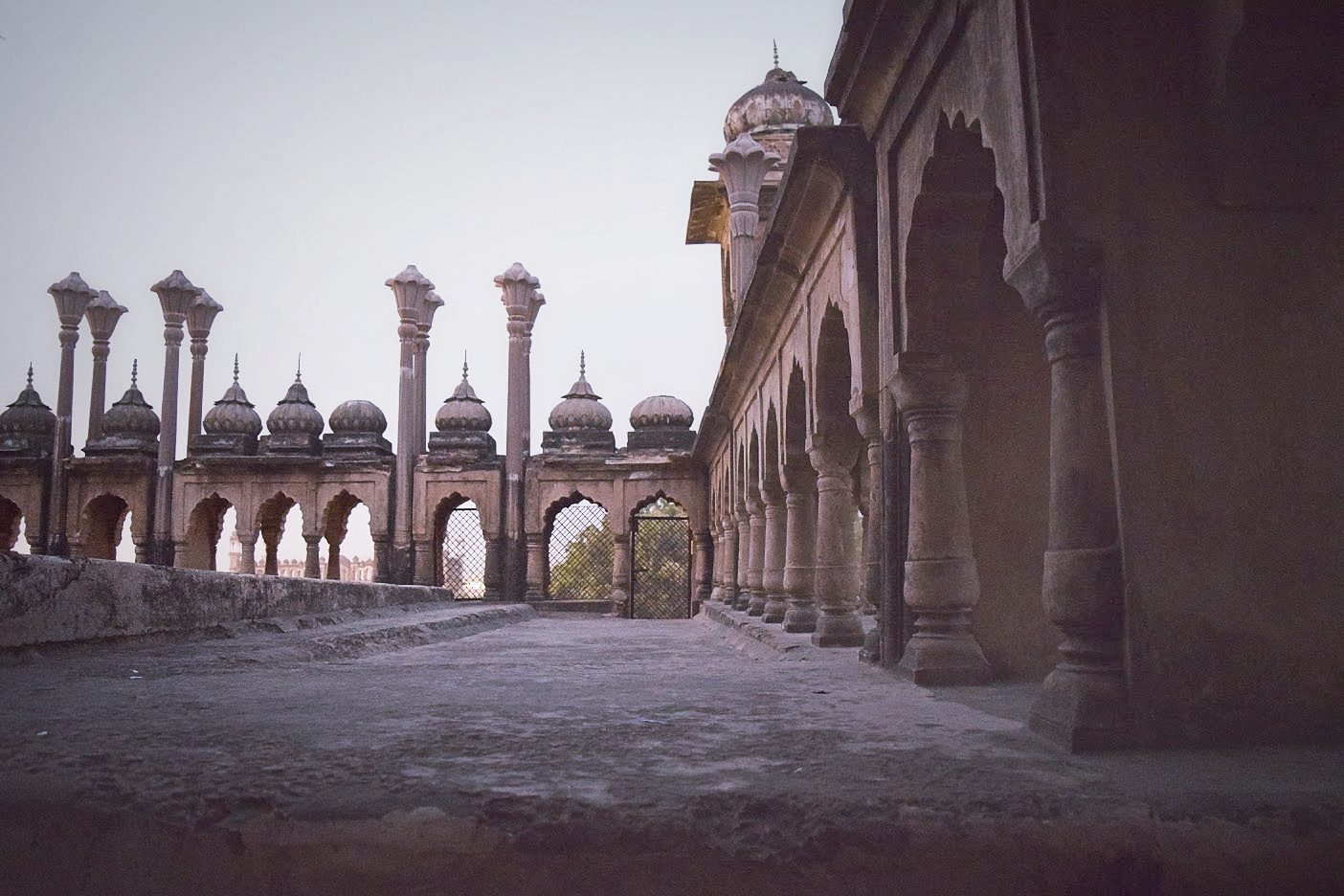
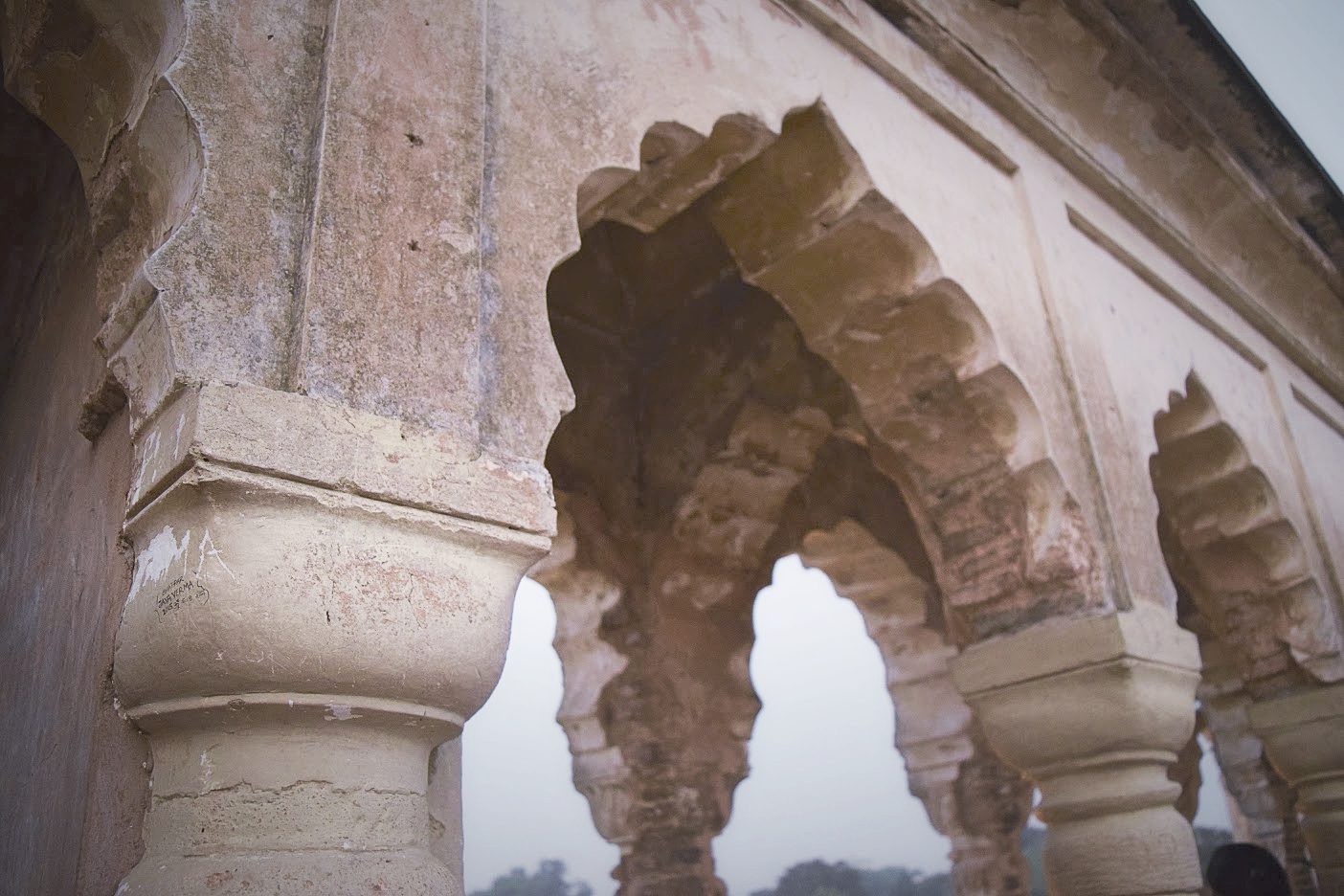
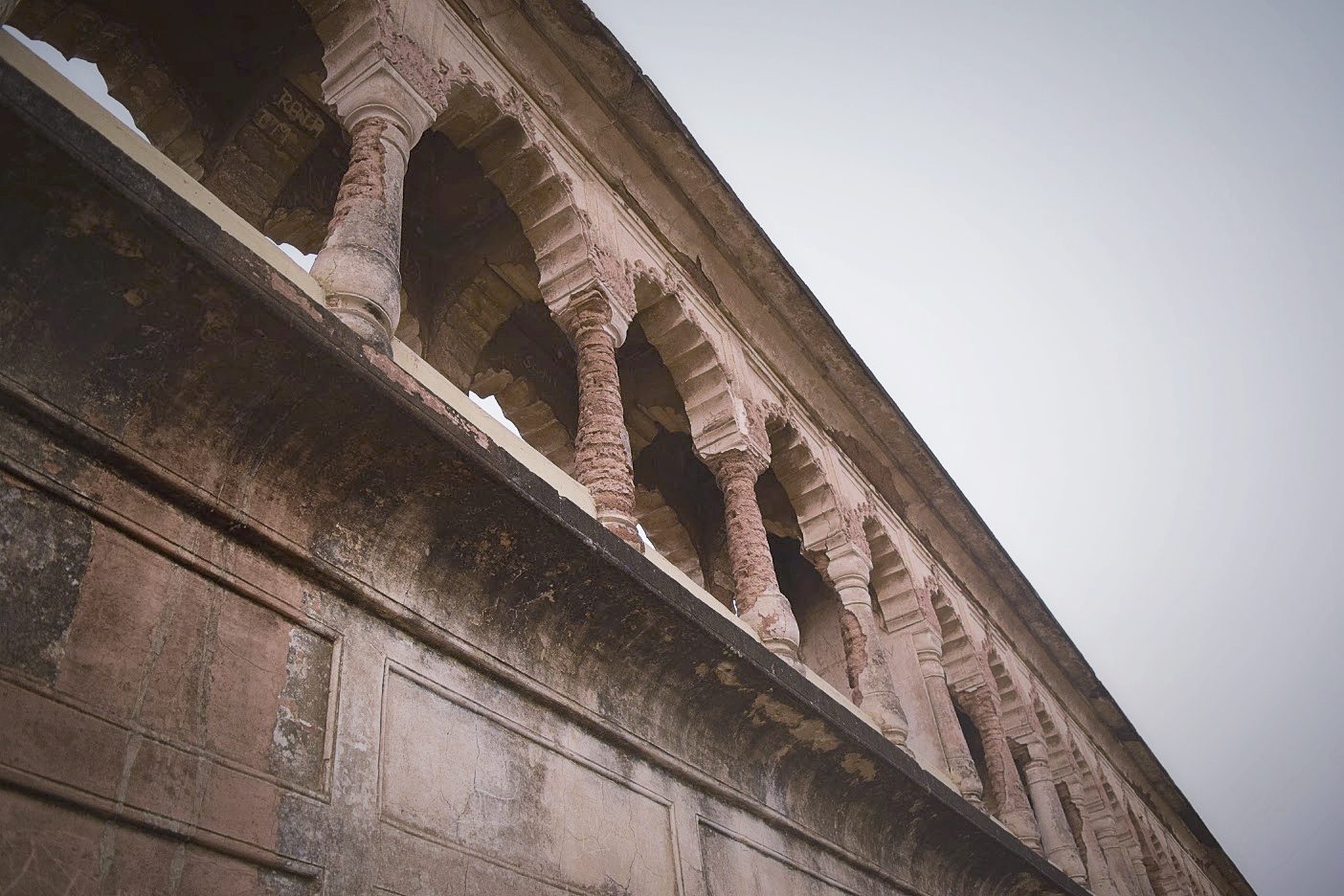
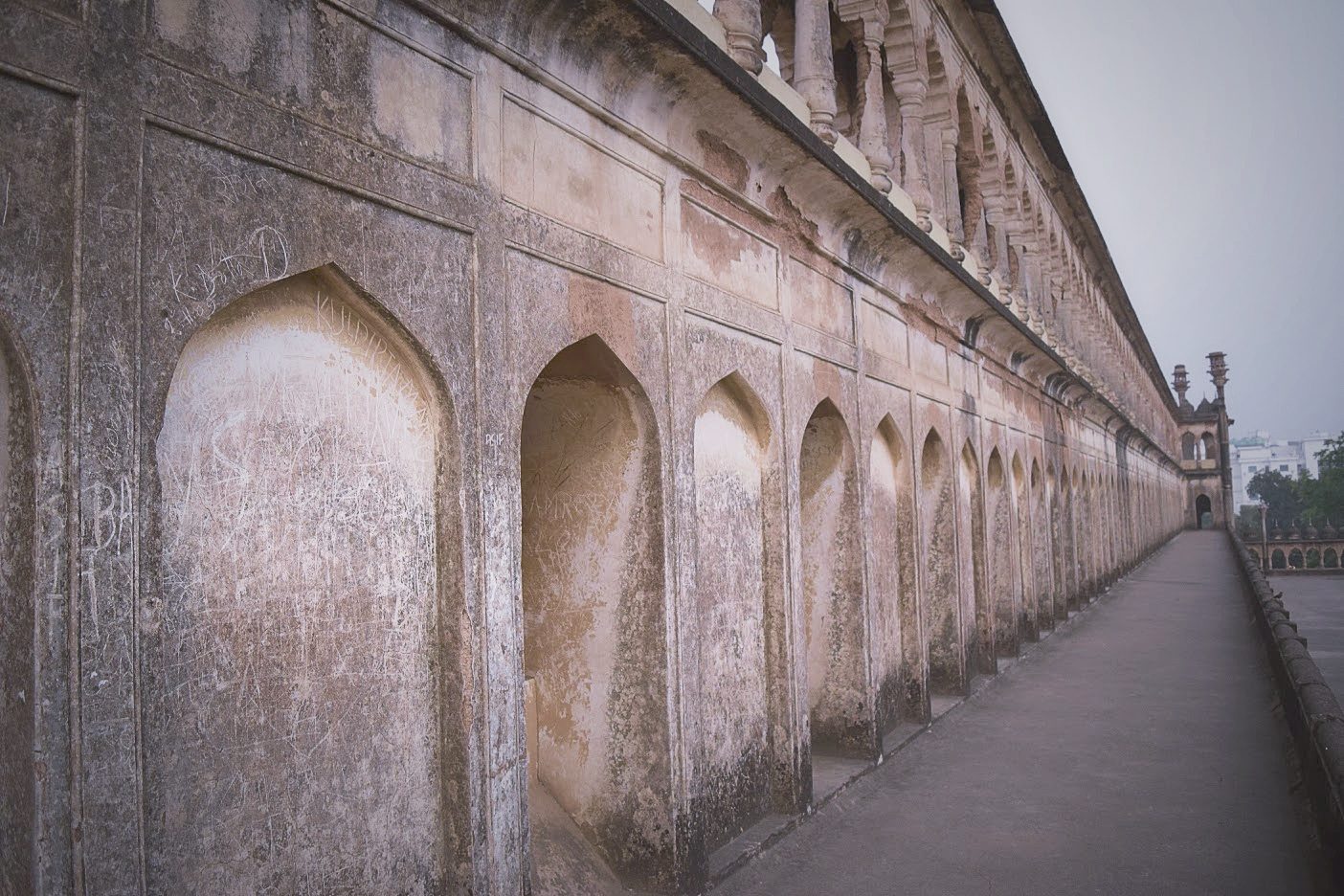
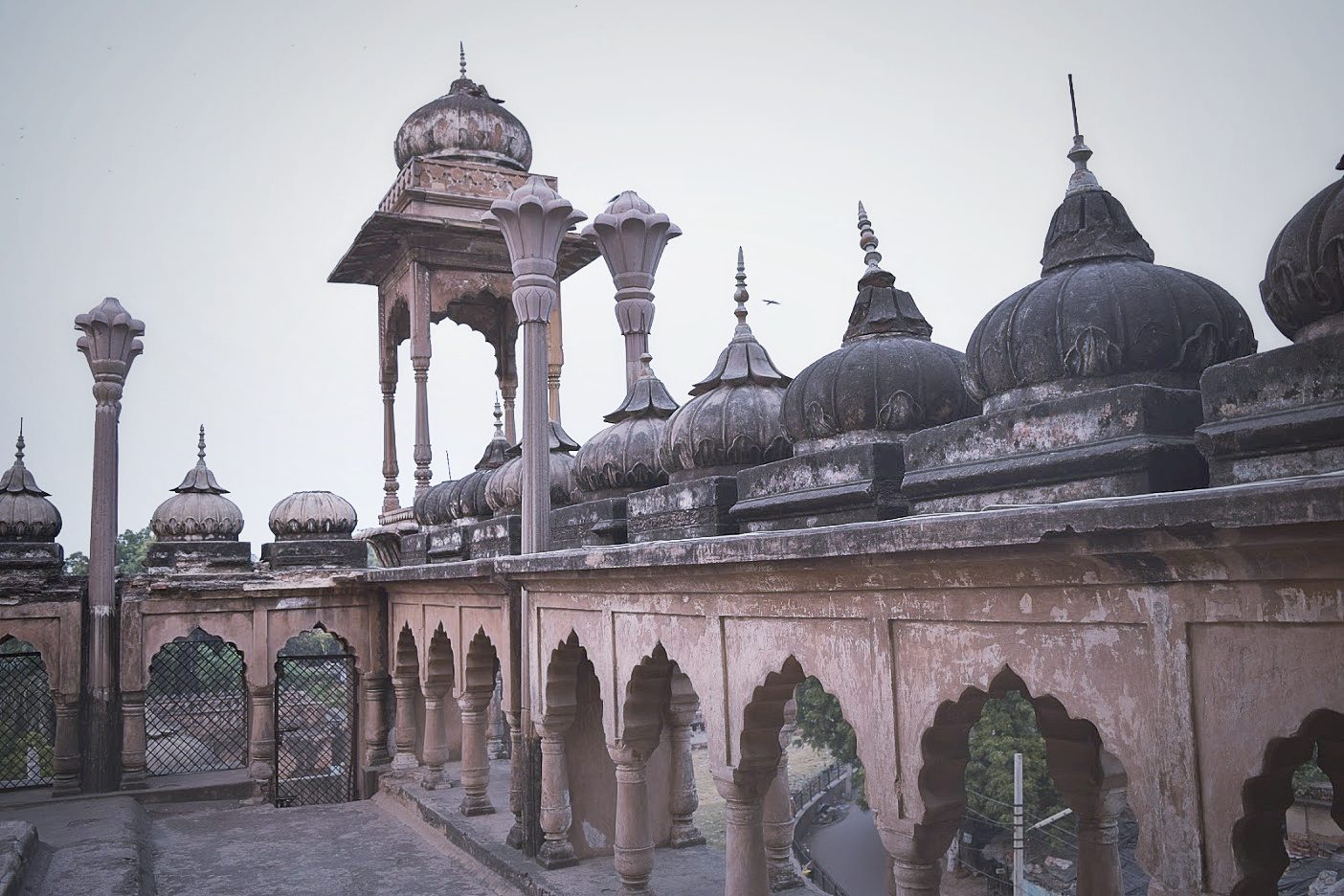
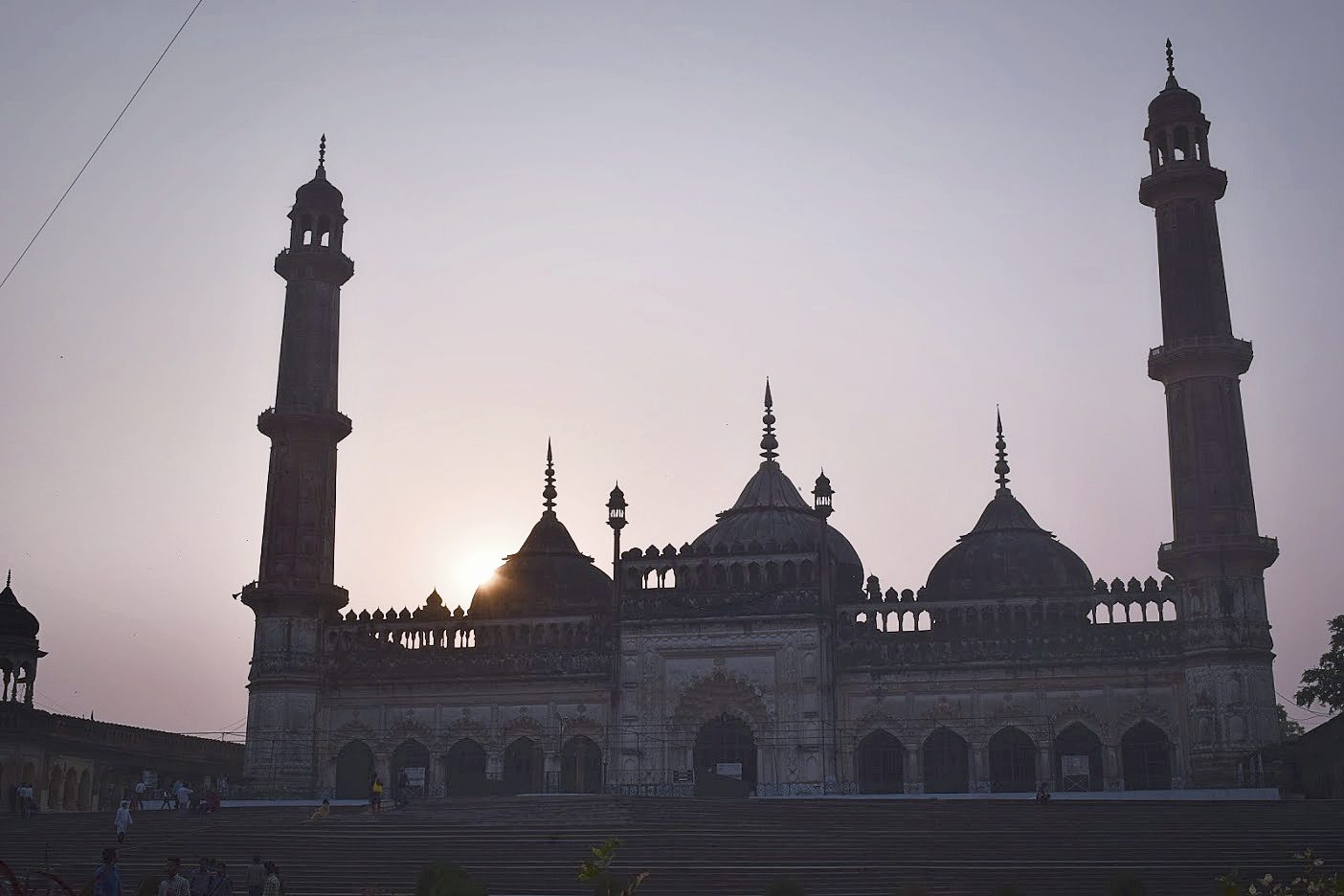
A Imambara is a religious complex used by Shia Muslims during Muharram. Bada stands for big. There is another Chotta(small) Imambara in the city. The complex had three structures, Asfi mosque, bhul-bhulaiya (the labyrinth), and bowli (stepwell).
Ambedkar Memorial Park
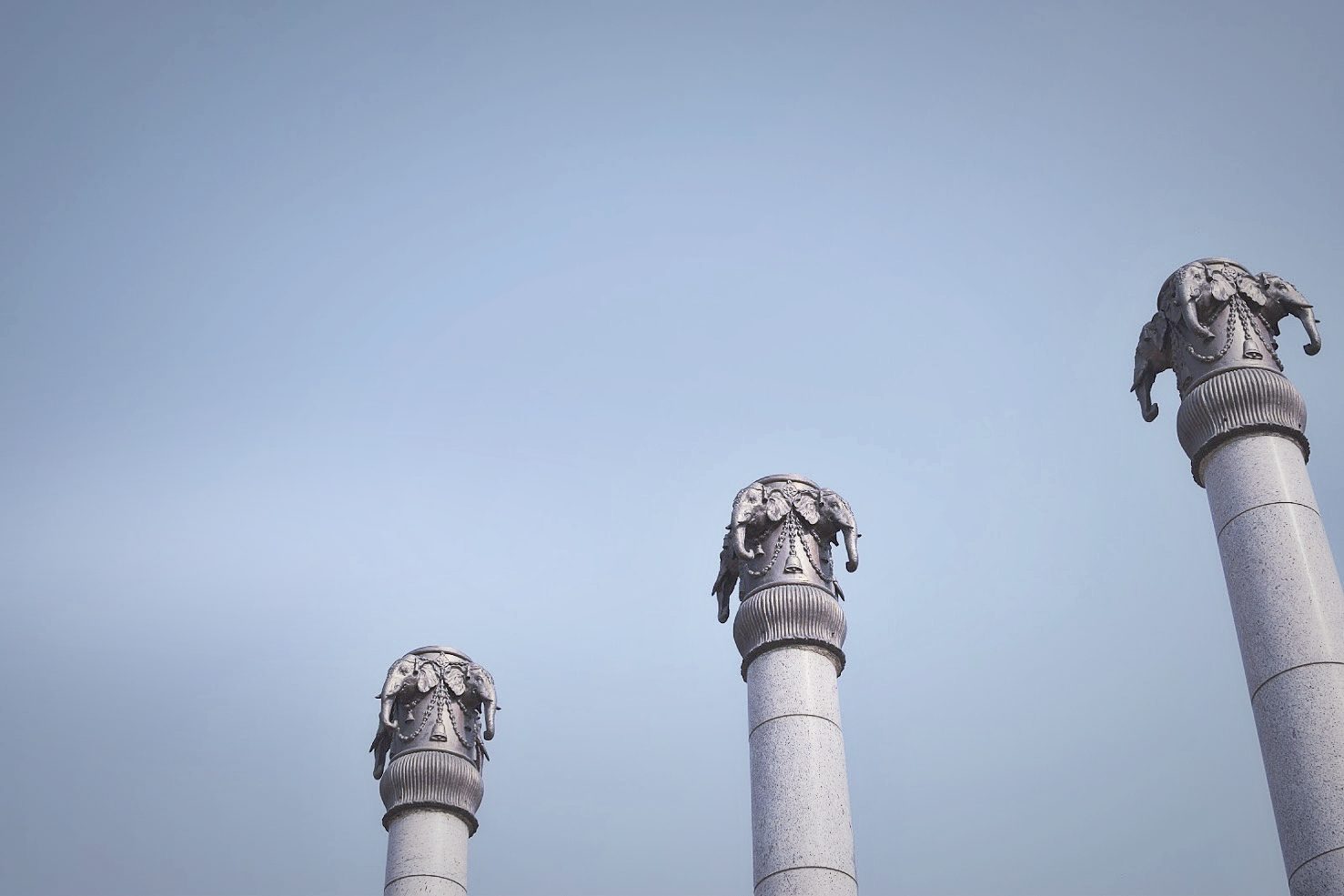
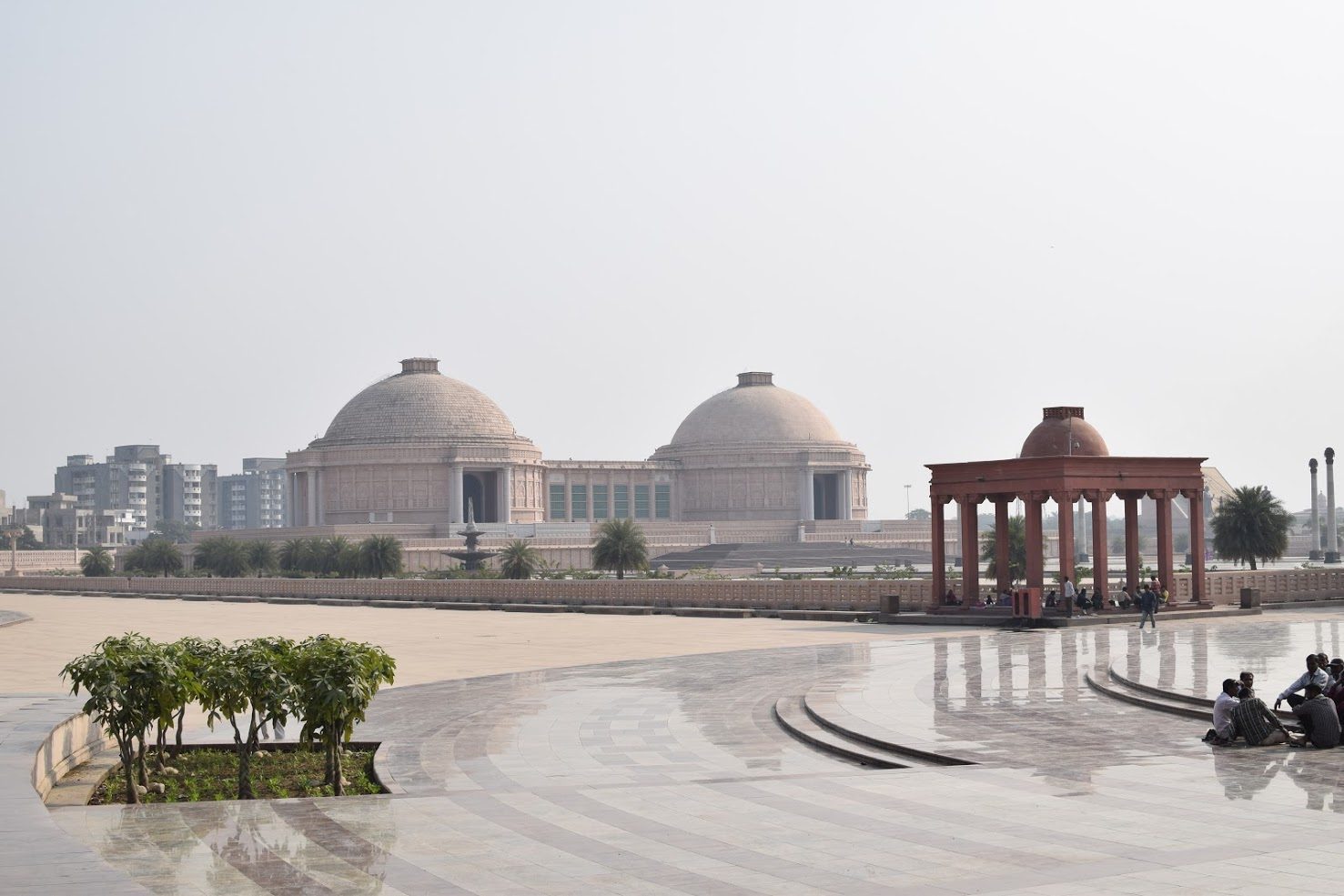
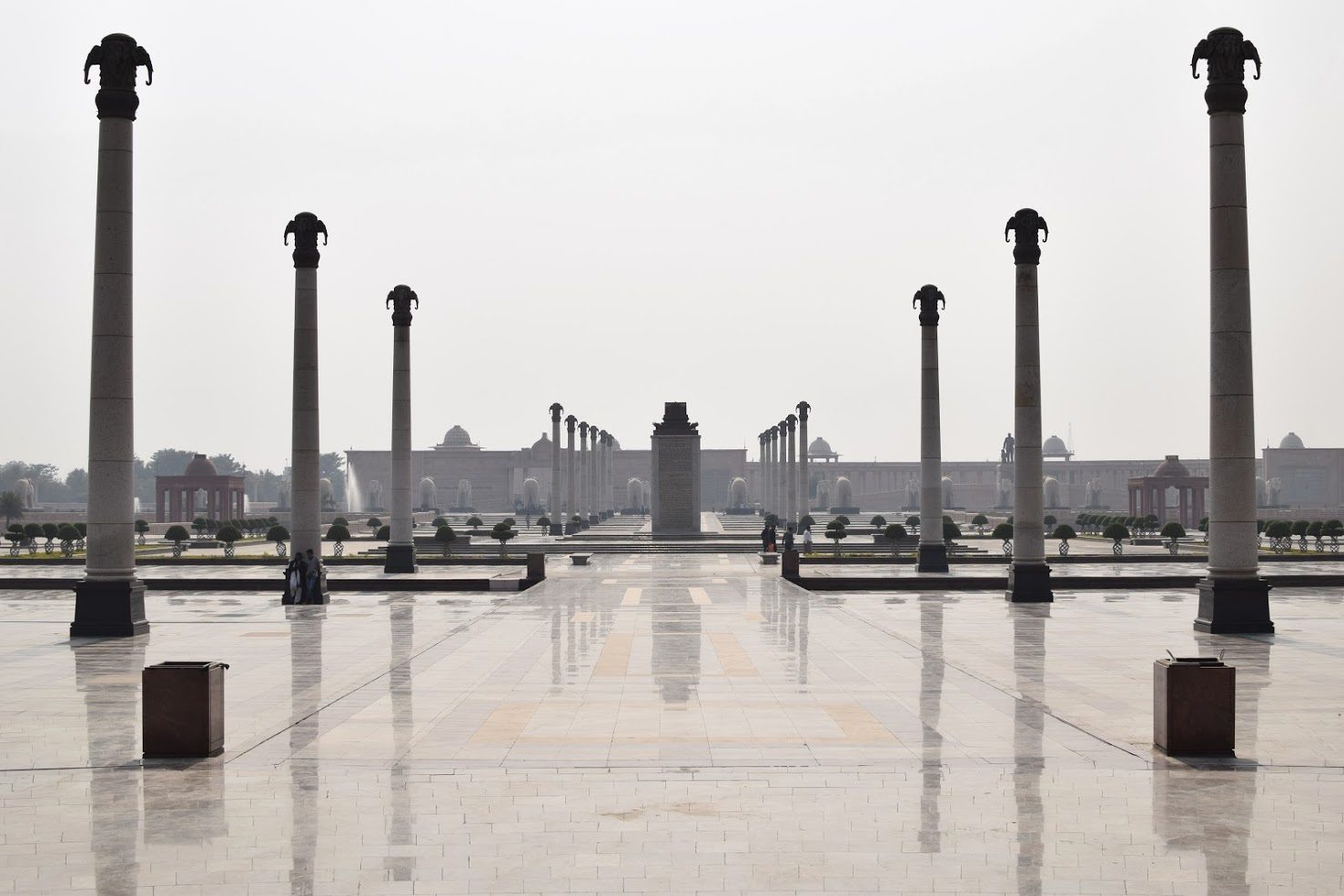
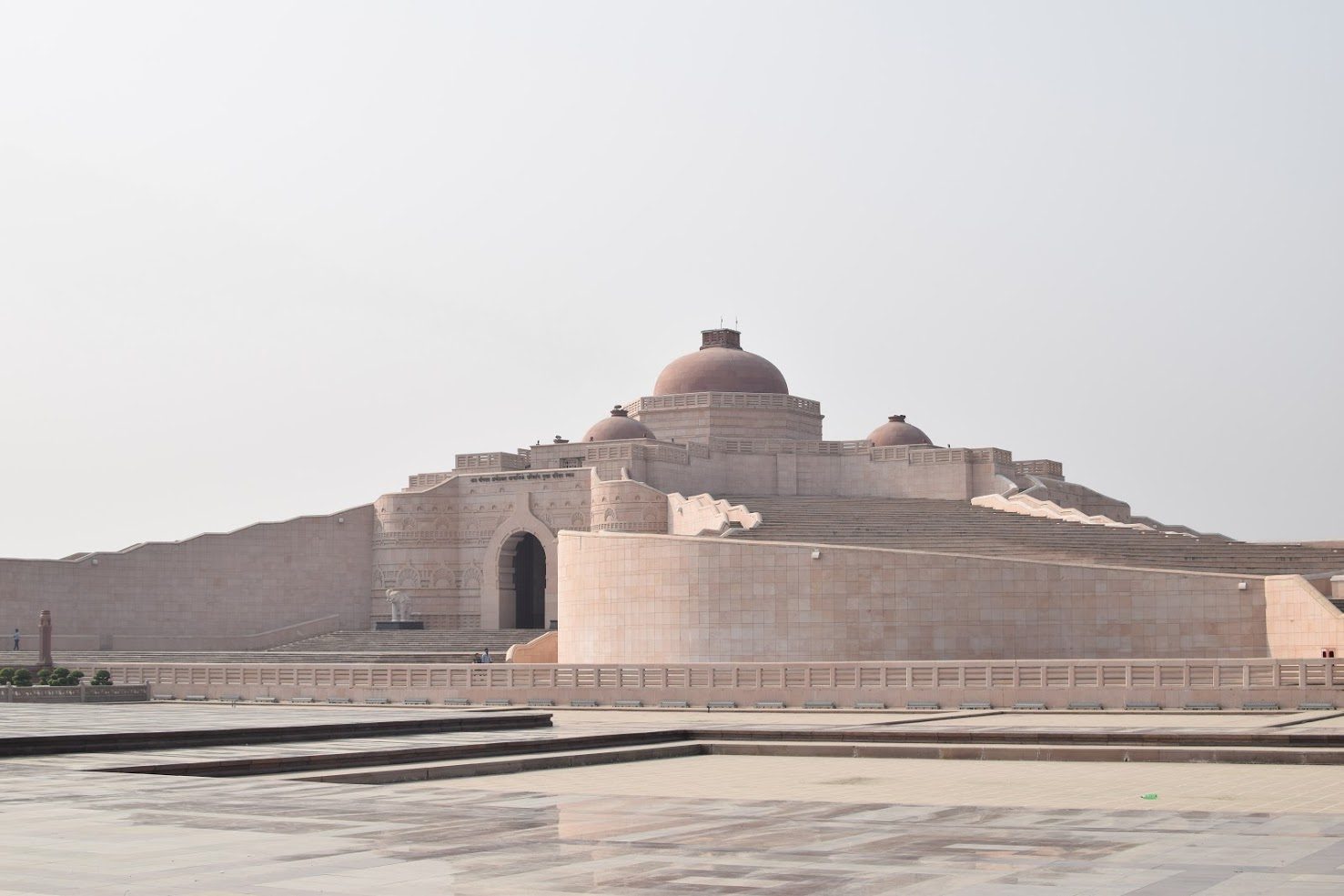
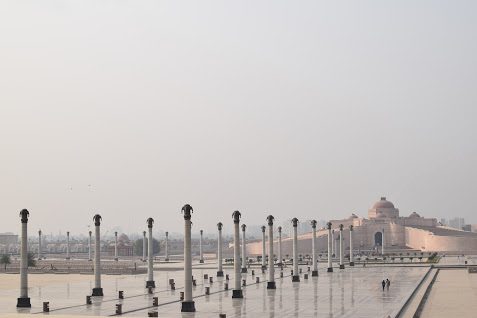
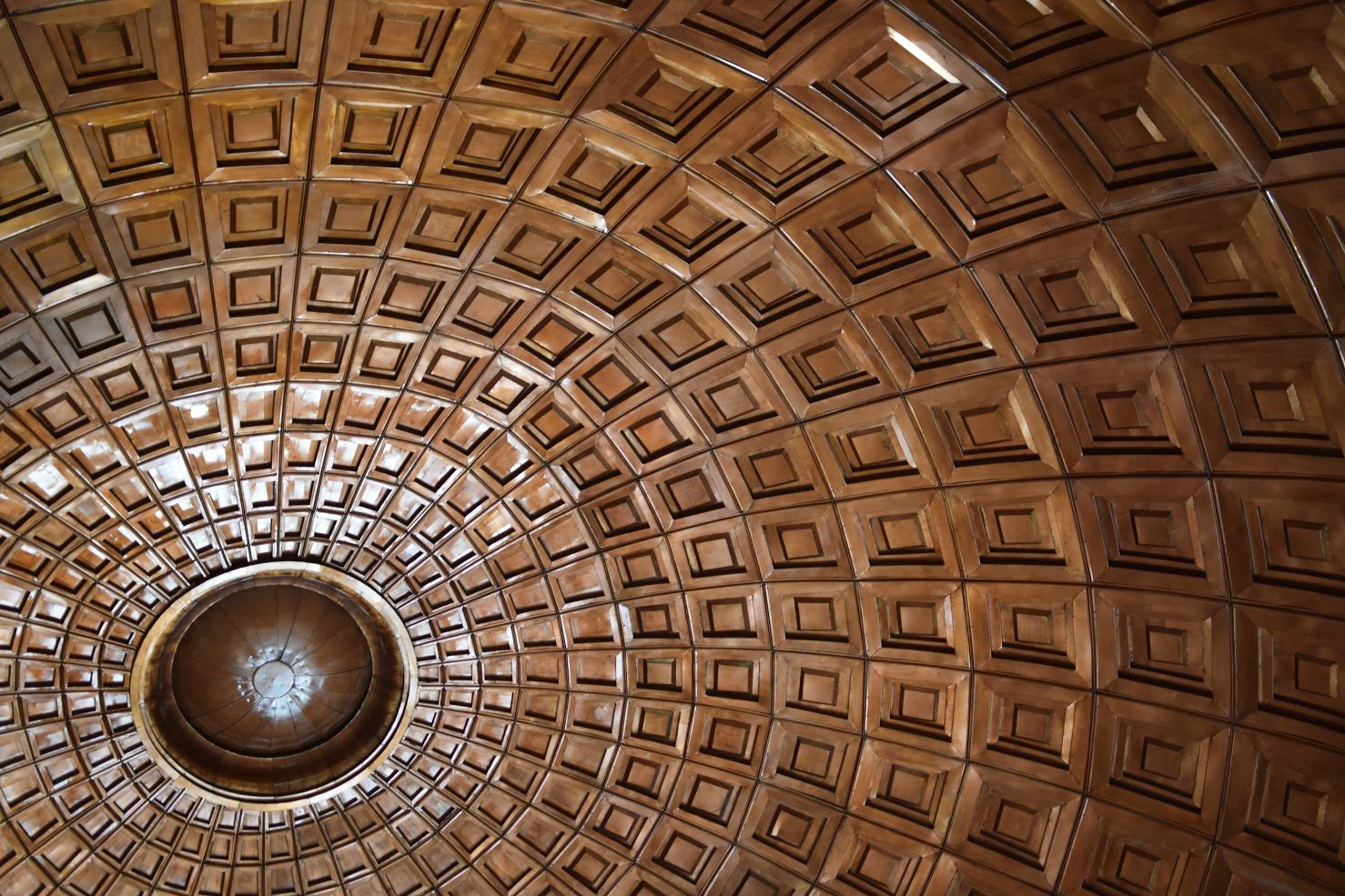
It is a modern construction, however, the scale is huge. Actually it is one of the biggest modern building complexes I’ve seen. The whole complex is made of red sandstone. Symmetrical, monumental buildings make up the complex.